
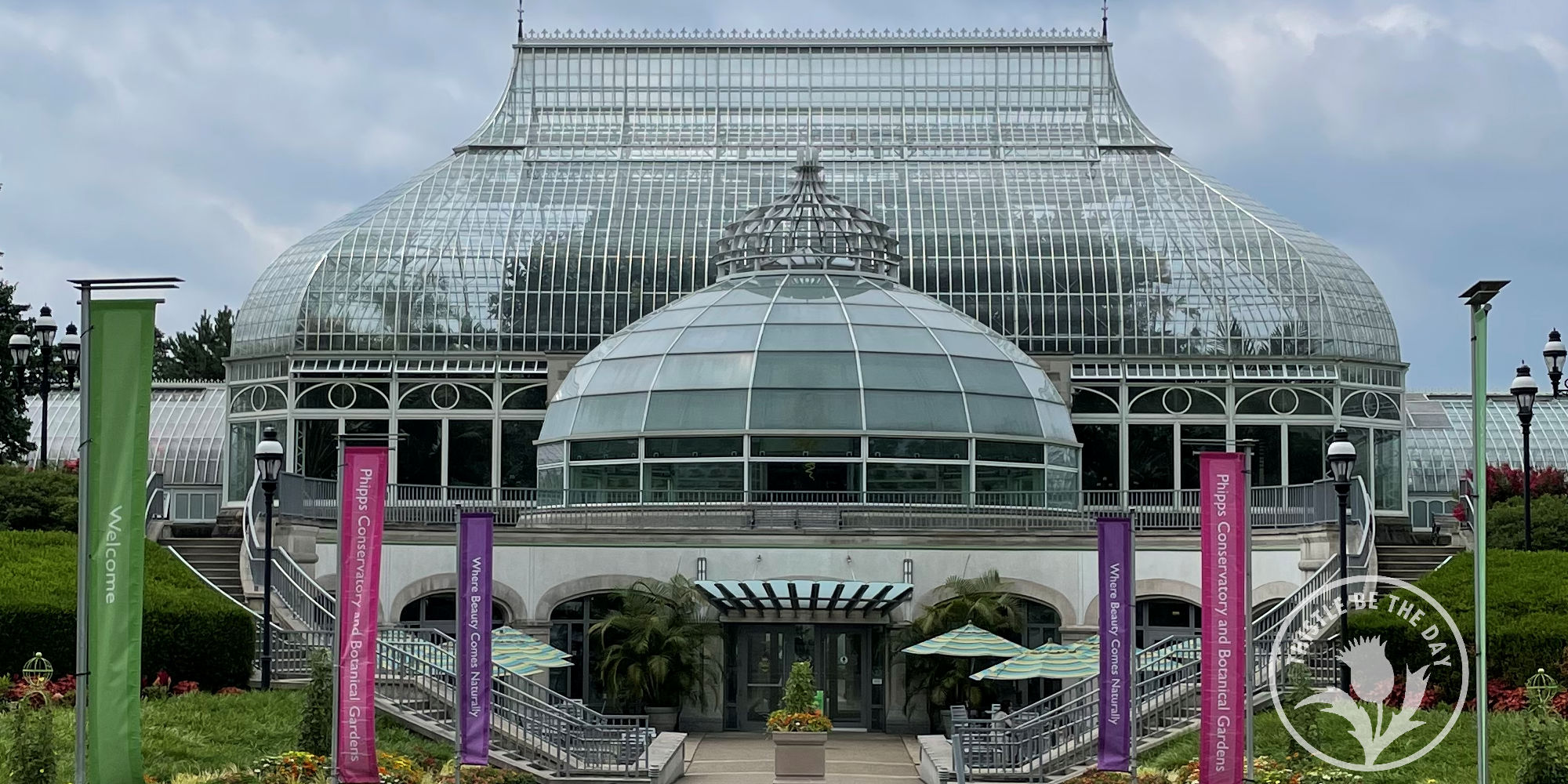
A few weeks ago, we found ourselves in Pittsburgh, Pennsylvania. My son had qualified for and was competing in the CubingUSA Nationals, a speedcubing event. What is speedcubing? Well, it’s a competitive sport involving solving various combination puzzles as quickly as possible. Think Rubik’s cubes, and you’ll be on the right track. It’s a whole world that we didn’t even know existed until he started to compete. It’s fun, exhilarating, and challenging for competitors, and it’s both exciting and fascinating to watch as a spectator. Anyway, we had some downtime between events while in Pittsburgh for the tournament. So, I took the opportunity to squeeze in another field trip! I seek out gardens wherever I go, and Pittsburgh was no different. We enjoyed visiting the Phipps Conservatory and Botanical Gardens, and I’d love to share my experience with you.
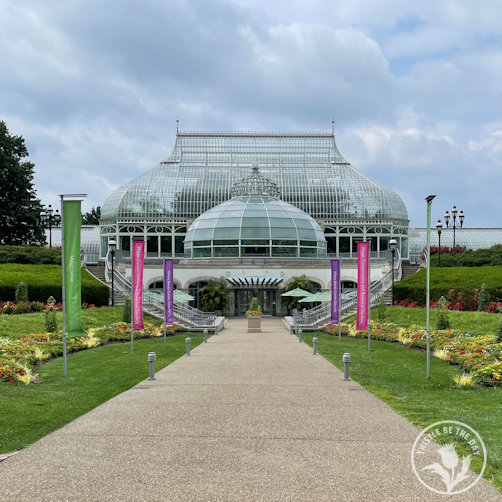
I had been to botanical gardens and conservatories before; my first field trip post on this blog was to the United States Botanic Garden in Washington, D.C. and more recently, I visited the Coastal Maine Botanical Gardens. And just as those trips didn’t disappoint, neither did this visit to Phipps.
A little history: Phipps Conservatory was presented as a gift by Henry W. Phipps to the City of Pittsburgh. It opened on December 7, 1893, and featured the iconic Victorian-style glasshouse designed by New York-based greenhouse manufacturer Lord & Burnham. The greenhouse was completed in August of 1893 for a fee of $100,000. At its inception, it showcased over 6,000 plants, including cacti, trees, and ferns, many of which made the journey to the conservatory by horse-drawn cart. In 1894, electric lights were installed, allowing visitors to stay late into the evening, and in 1895 the first major expansion occurred with the addition of propagation greenhouses and another conservatory. There have been many expansions and renovations since, but Henry Phipps’ dream of providing ‘a source of instruction as well as pleasure to the people’ remains.
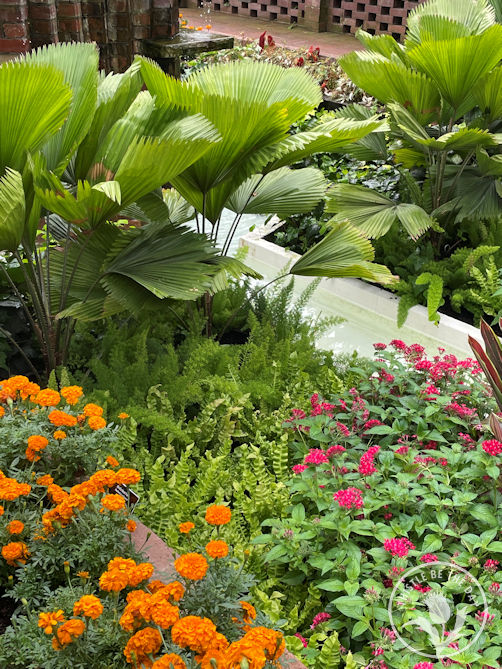
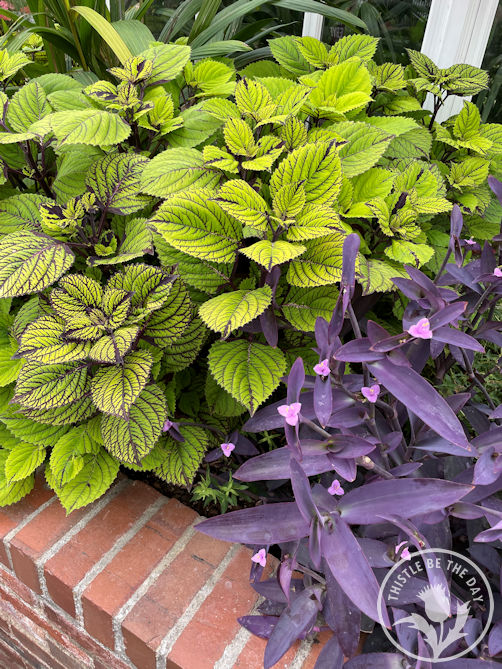
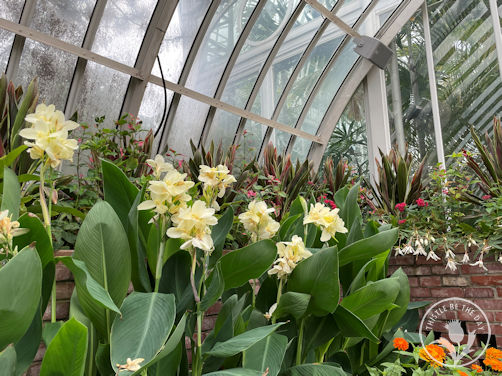
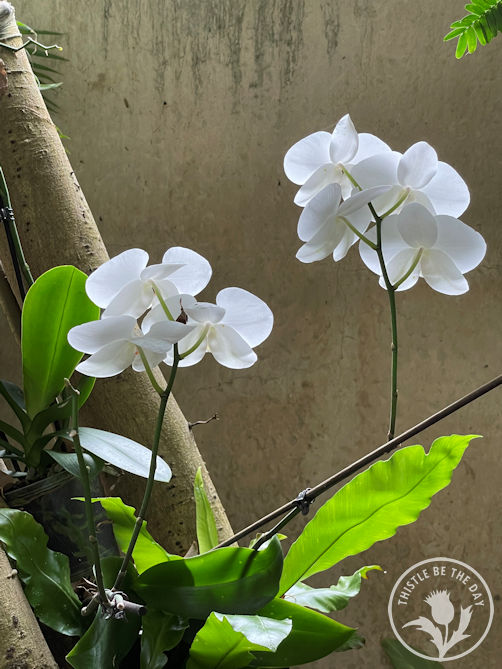
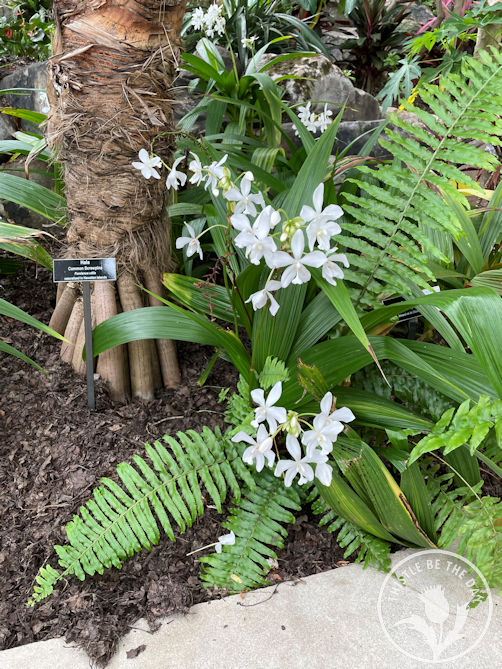
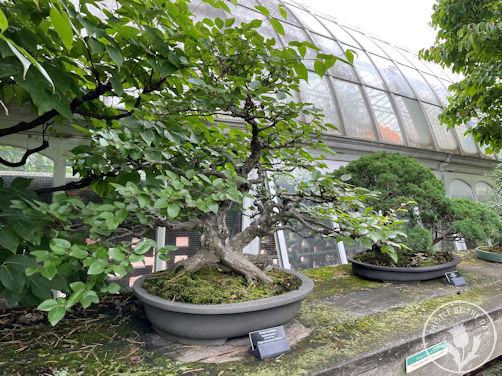
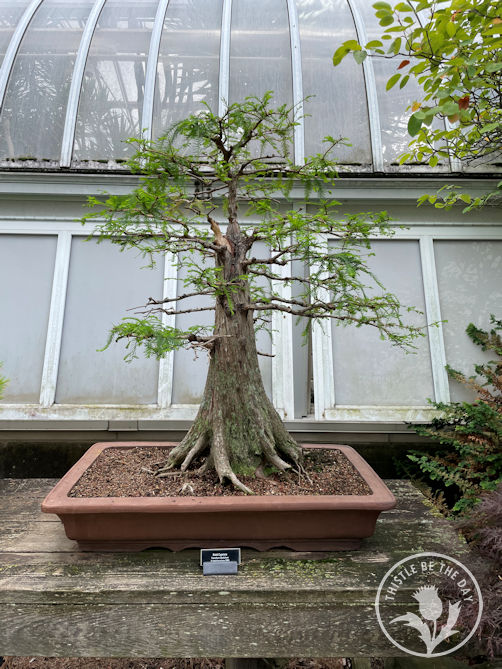
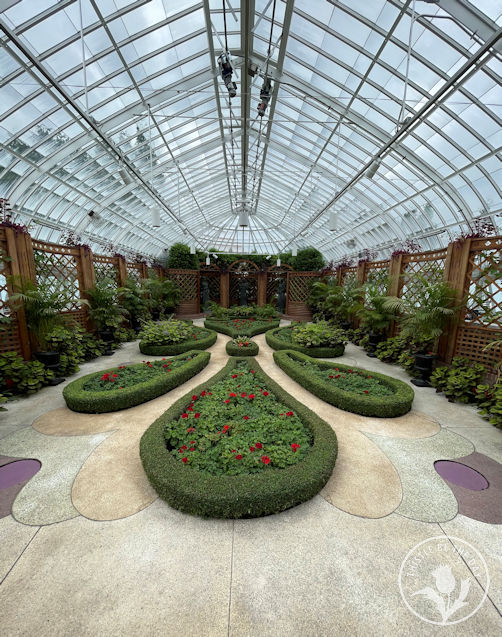
Phipps contains a maze of wonderfully inspiring and beautiful rooms. As you meander through its many twists and turns, you are left breathless repeatedly around each corner. Housing extensive collections of plants, including orchids, bonsai, cacti, ferns, fruits, spices, and natives, leaves plenty for plant lovers to feast their eyes on. Themed rooms take you on a trip around the world as you discover plants of the world’s deserts, Hawaii natives, and a special visit to a Japanese garden. Each room transported you to another time and place from the Victorian era to the present. Some of my favorite discoveries included the cacti and desert plants, and the bonsai, some of which were over fifty years old.
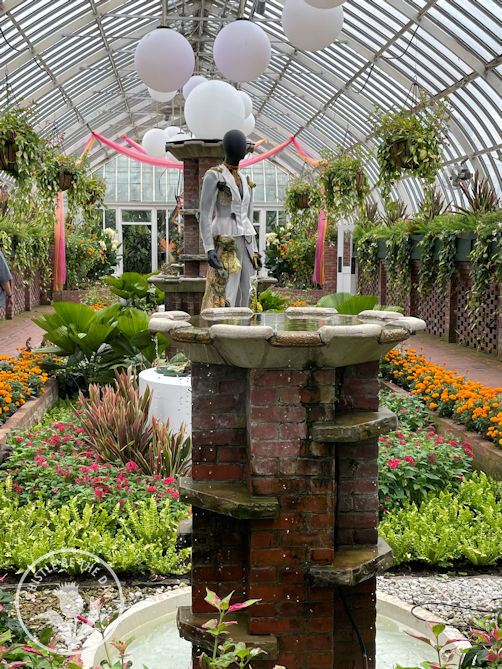
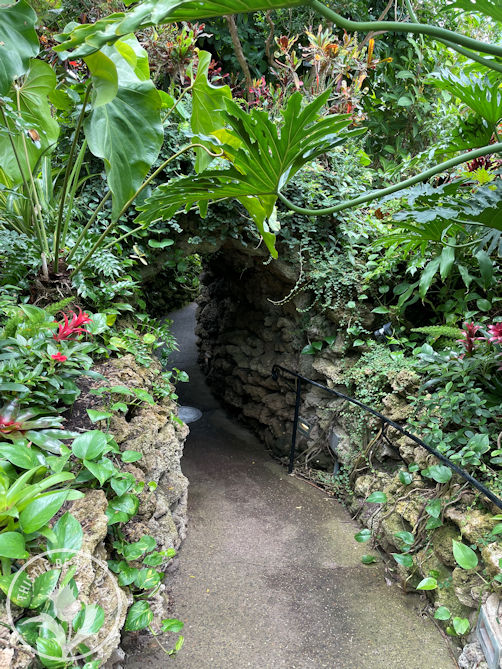
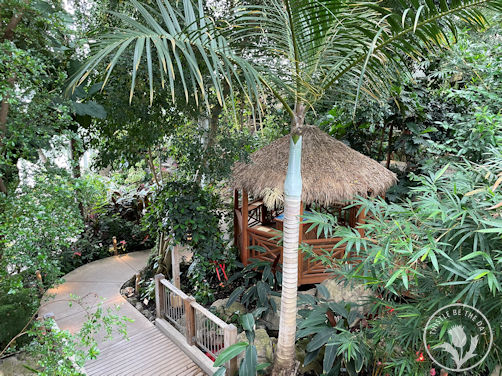
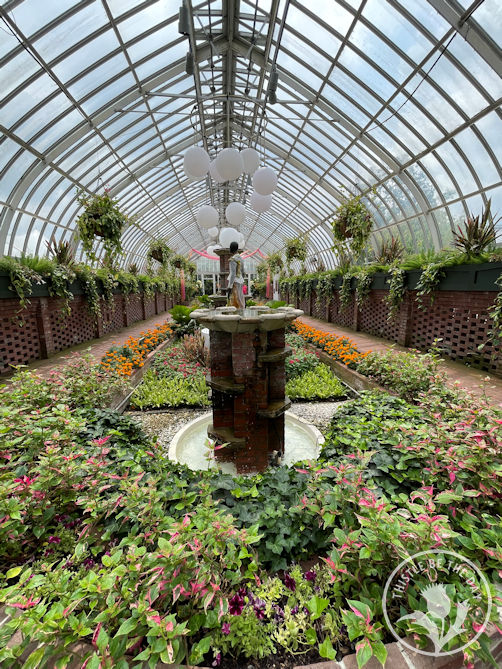
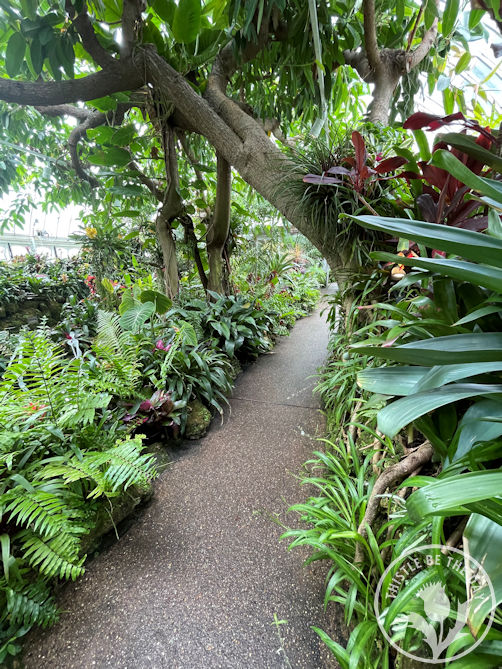
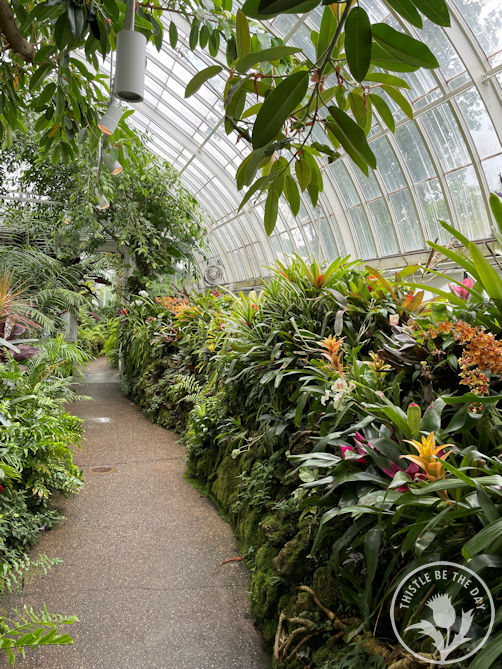
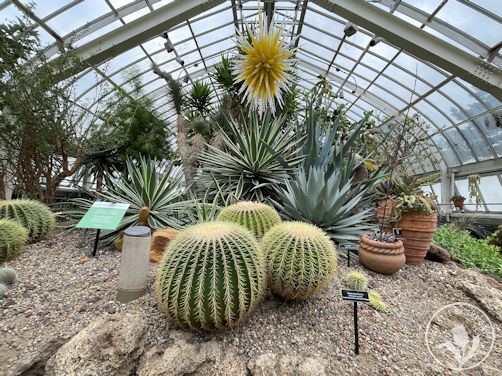
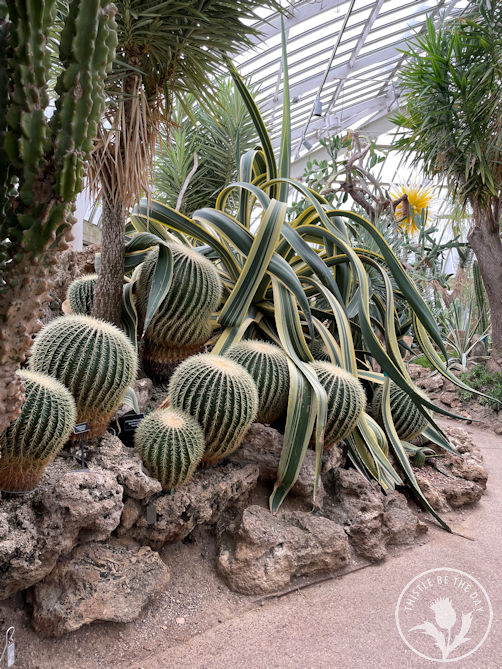
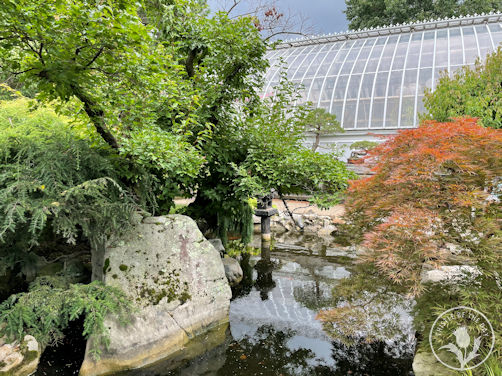
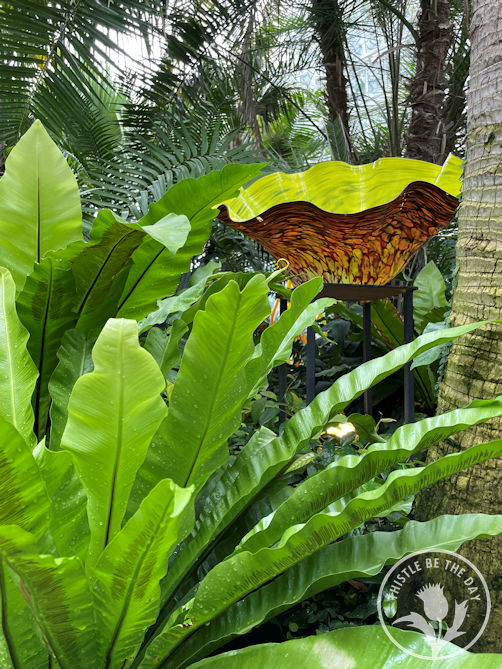
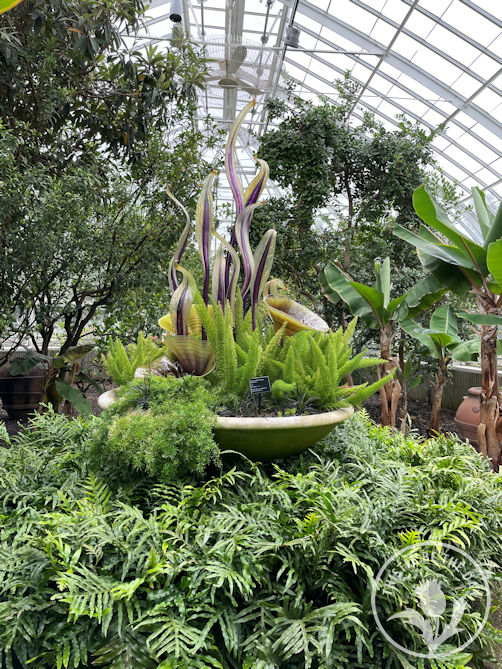
The architecture of the buildings was also breathtaking. They were works of art, from the glasshouse to the brick arches and sunken rooms. And it seemed that art and nature worked hand in hand here, almost as if you were immersed in a painting. Sculpted glass and weathered statues wove seamlessly among the plants, each adding to the other’s beauty: art and nature complementing one another under the same roof.
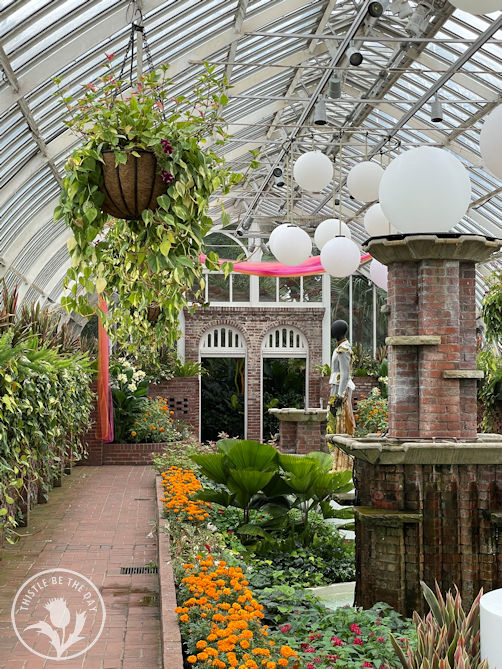
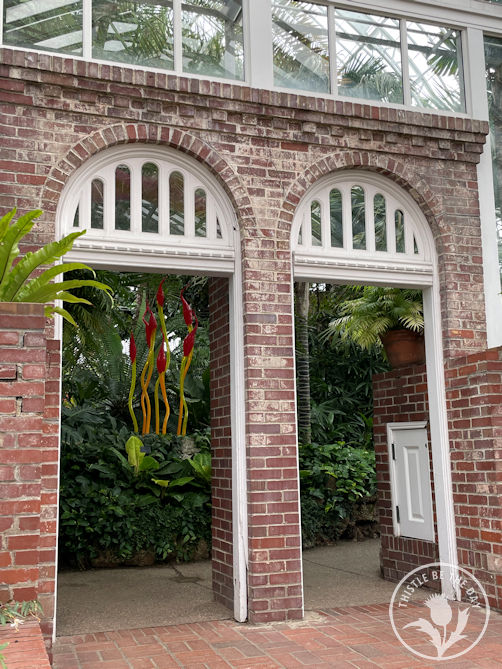
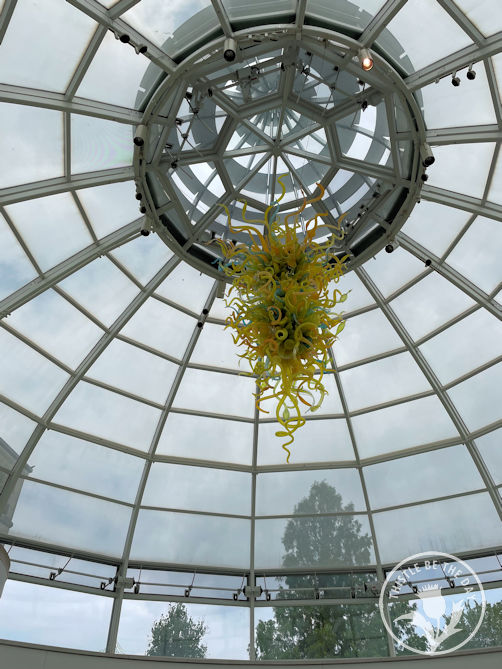
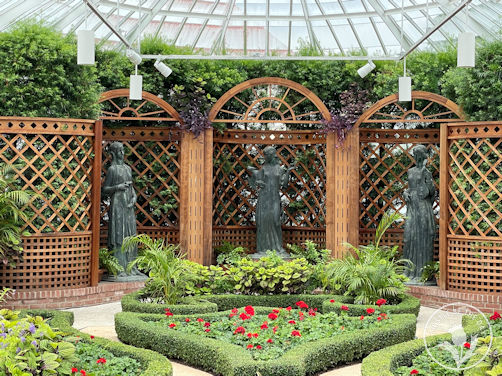
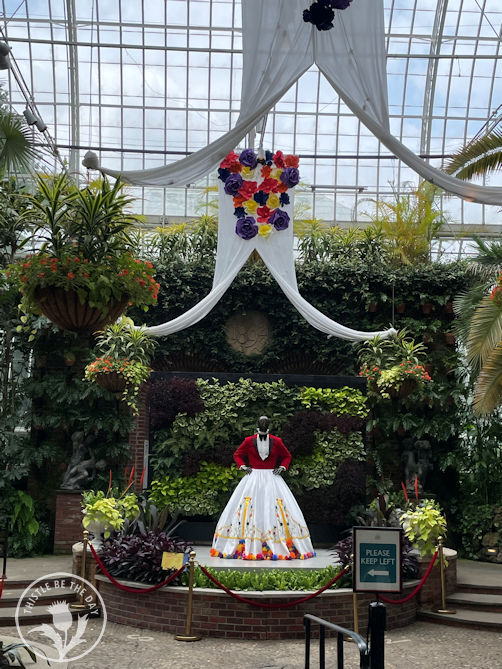
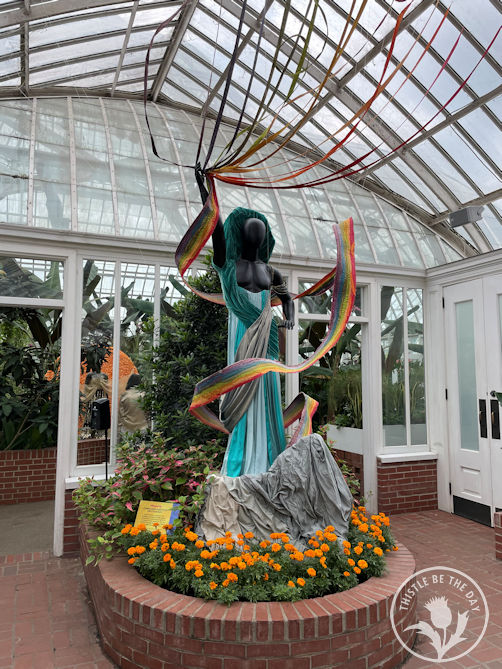
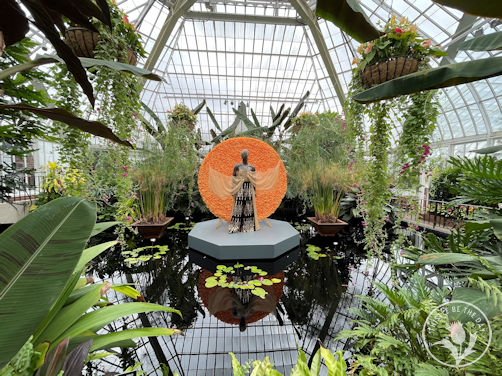
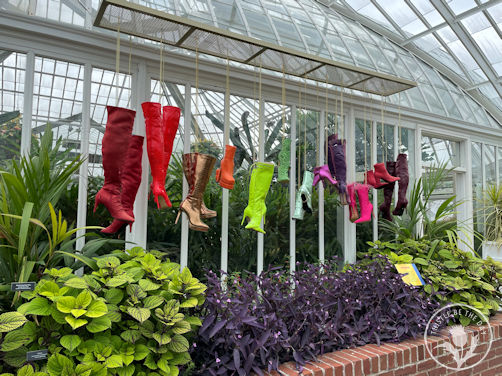
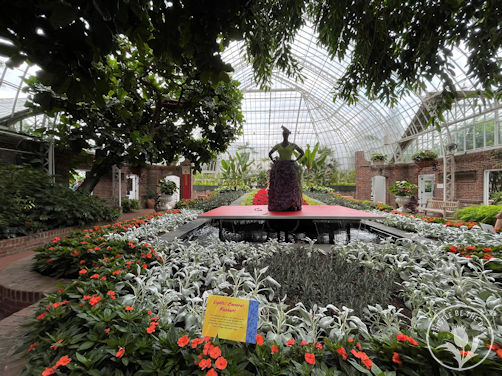
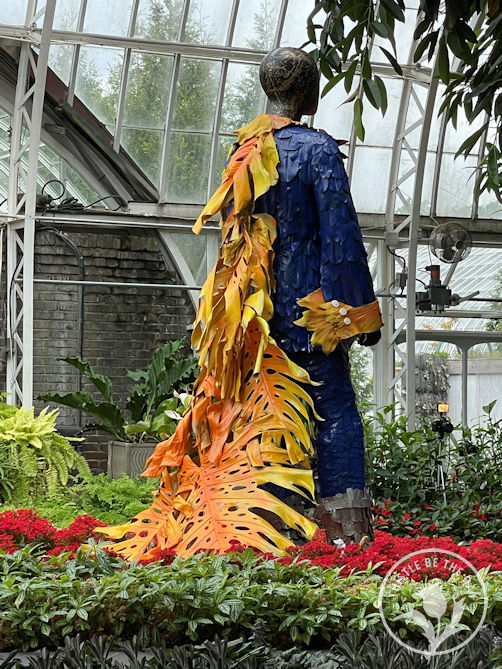
Phipps also hosts several shows annually. During our visit, the ‘Flowers Meet Fashion’ show was underway. Pittsburgh-born Billy Porter, an award-winning actor, singer, director, composer, and playwright, inspired this show. Six professional fashion designers, costumers, and students created a fantastic display of fashion and flora. From colorful footwear to botanical attire, these displays added a touch of fun and whimsy to the visit.
When we completed our tour of the gardens, we treated ourselves to a bite to eat at the café on the premises and perused the gift shop. We all agreed that this visit was a highlight of our trip to Pittsburgh. It was an excellent way to spend an afternoon, and I would highly recommend a visit if you ever get the chance. And that ends another field trip until next time!
 THISTLE BE THE DAY