

Well, I did it! I just received confirmation that I have officially been certified as a Pollinator Steward. Those of you who have been reading my blog for the past few years know how passionate I am about pollinators. I’m very excited to have completed the certification program to be an informed advocate for these essential creatures. And, sadly, they need all the advocates they can get. So, in this week’s post, I thought I’d share my experience with the certification process. This post is especially timely since we celebrated National Butterfly and Hummingbird Day this week!
The Pollinator Steward Certification program is offered by Pollinator Partnership, an organization with the mission to promote the health of pollinators critical to food and ecosystems through conservation, education, and research. Besides the Pollinator Steward Certification, they offer many resources and programs, including Bee Friendly Farming and Gardening, Pollinator Week, and Project Wingspan. They also have consulting and training services based on the research that they carry out. I’ve been following Pollinator Partnership for several years now, as they do vital work to promote the health of pollinators. So, I had to get involved when I learned about their Pollinator Stewardship program.

Certification requires two steps: training and follow-up action activities. The certification program offers science-based training to those interested in pollinator stewardship and gives practical guidance for helping these essential animals. The training includes a 9-part virtual module that is comprised of approximately 10 hours of instruction plus discussion and answer periods. Topics include Pollinator Basics (pollination ecology, conservation issues, habitat needs, how to help), Indigenous Perspectives (Indigenous knowledge, history, culture, and relationships in your region), Selecting Plants for Pollinators (native plants, coevolution, habitat), Habitat Enhancement Techniques (preservation, enhancement, and maintenance of pollinator habitat), Identifying and Monitoring Pollinators (telling pollinators apart and monitoring their populations), and Outreach and Education (spreading your knowledge and inspiring others).
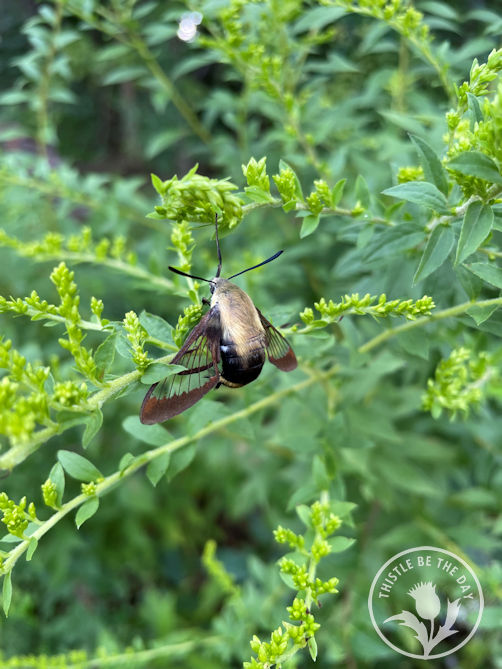
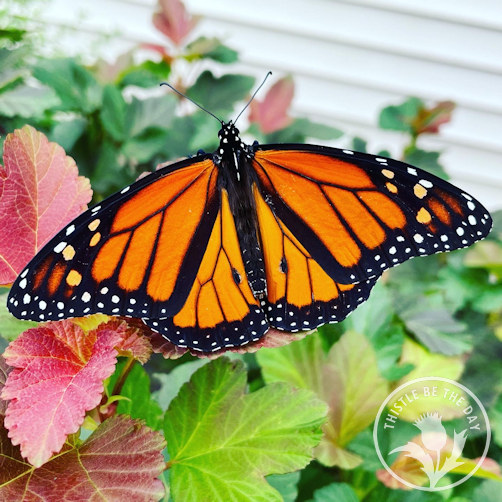
I found the training sessions to be informative and of very high quality. Listening to different presenters and getting their perspectives on pollinators was both exciting and enlightening. Even though I felt that I had a solid base of pollinator knowledge before beginning the training, I still learned a lot of new information. I especially enjoyed learning how farms can integrate pollinator habitats into their agricultural practices and about Indigenous perspectives. Upon completing the training modules, participants must submit a short learning form to share their training takeaways and demonstrate their grasp of the information.
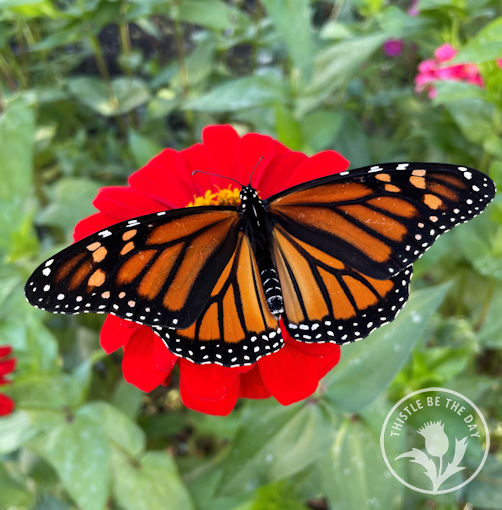
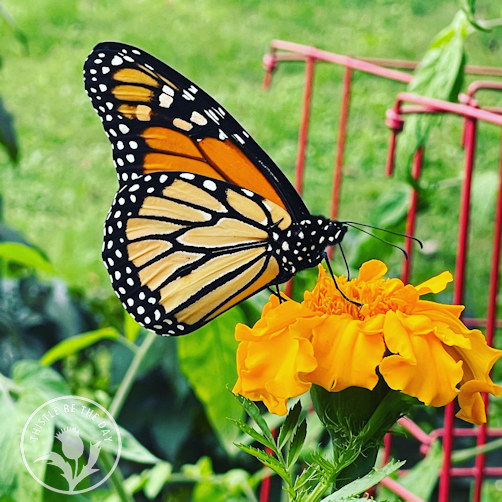
Once this form is accepted, participants move on to the action steps of certification. One habitat creation action and one outreach and education action must be completed. Some examples of habitat actions include creating pollinator habitats, altering management practices to promote pollinator health, or removing invasive plant species. Outreach and education can include creating pollinator garden signage, connecting with community members and schools to spread pollinator education, and educating through art/science outreach. These actions must be accomplished within six months of training completion. When participants finish these actions, they once again submit a short form showing proof of actions taken.
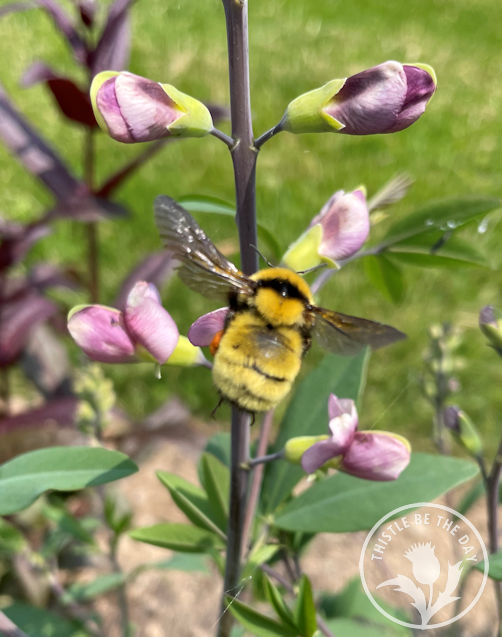
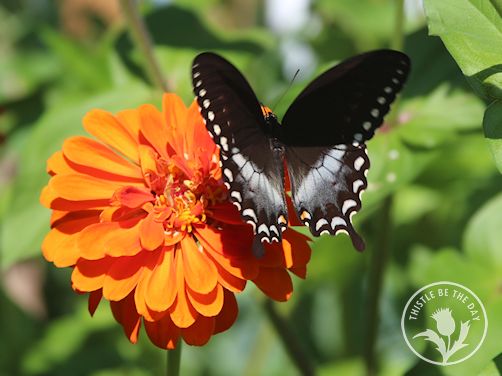
For my actions, I expanded the designated pollinator garden on our farm, creating a more extensive pollinator habitat. I also added a water source and many new pollinator-friendly plants that would support their life cycles. Our pollinator garden is my favorite spot on our property, and I thoroughly enjoy watching all the pollinators thriving within the space. For my outreach and education action, I organized our second annual Pollinator Party event through my local Master Gardener Volunteer program. The event took place during Pollinator Week and offered many educational opportunities for those who attended, as well as pollinator-themed prizes and giveaways of native plant seedlings and seeds. It was a fun event and provided a chance to get the word out about the plight of pollinators and how we can help through habitat creation.
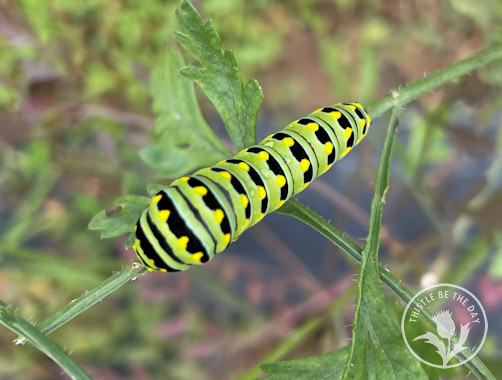
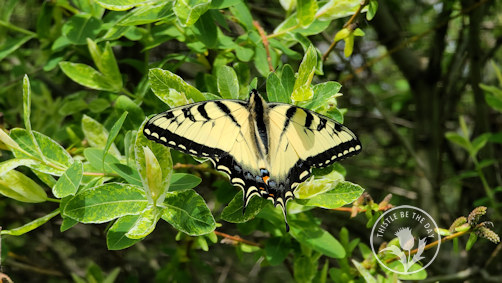
Once officially certified, you are presented with a certificate, a Pollinator Steward logo that you can share on correspondence and social media, and an enamel pin. But more importantly, you are given the knowledge to move forward and be proper stewards of these essential animals. With this knowledge, you will feel confident reaching out to the community and educating people about how important pollinators are, why they are declining, and what we can do about it.
I am so thankful for organizations like Pollinator Partnership that are on the frontline of this issue. And I am thrilled to have had the opportunity to be part of the solution. If you want to become certified as a Pollinator Steward, I highly recommend signing up for the program. The training is offered on a donation model to ensure it is accessible to as many people as possible. And the donation is put to work directly into their many programs. Over 500 people have participated in the program since 2020. Will you be next?
 THISTLE BE THE DAY
Dawn, I’m so excited to read this post. Congratulations on becoming a Certified Pollinator Steward. I too have followed Pollinator Partnership for a while and have been been thinking about doing that. I’ll touch base with you in the next few weeks to ask you a few questions about it.
LikeLiked by 1 person
Thank you so much! I would be happy to answer any questions you have. It is a great program, and I encourage anyone interested to sign up. The pollinators need all the advocates they can get!
LikeLike
Congratulations, Dawn!
LikeLike
Thank you, George!
LikeLike