
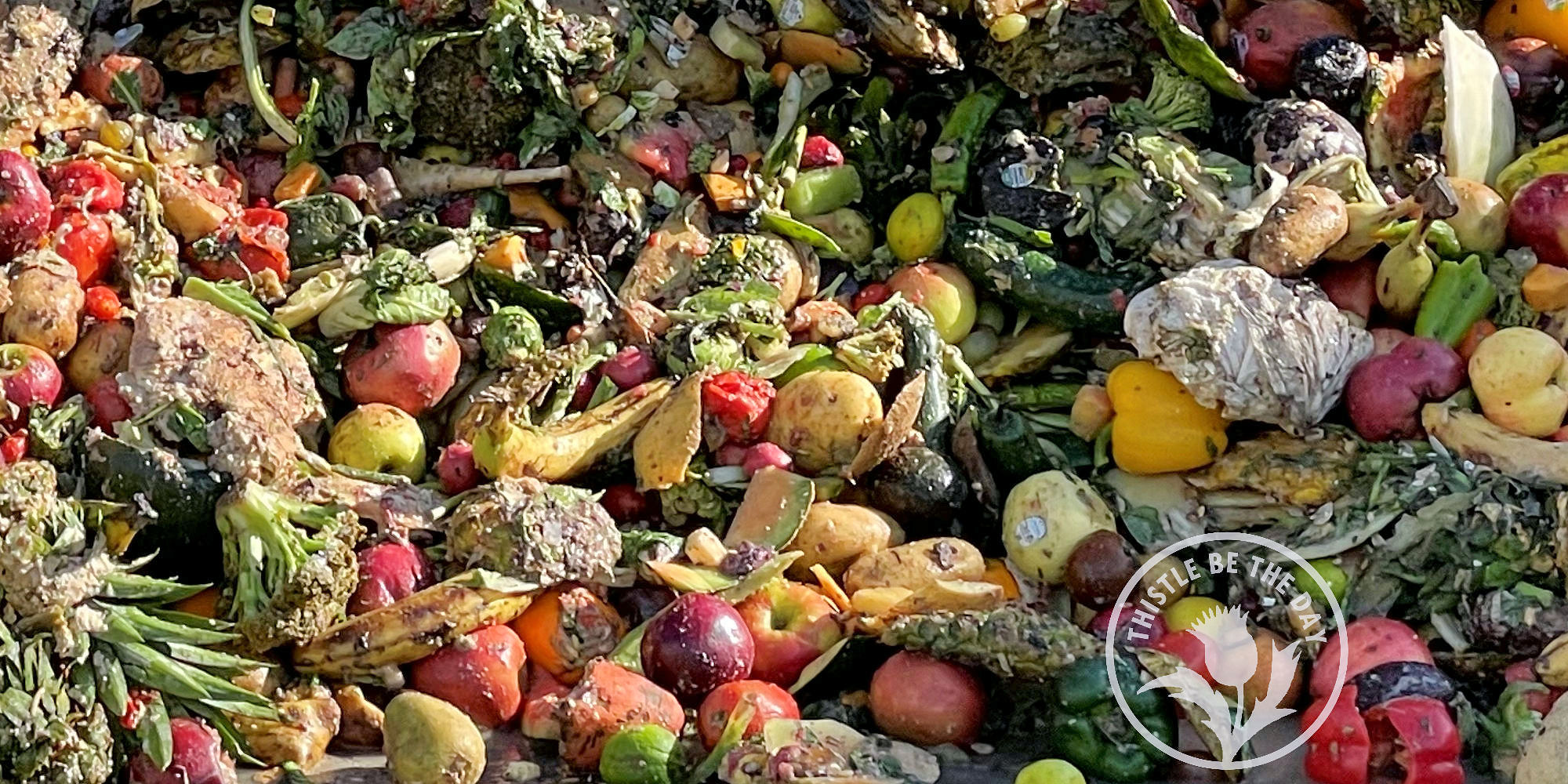
Compost, or garden gold as gardeners refer to it, has been used to achieve healthy garden soil for as long as gardeners have been gardening. Composting is a natural process of recycling organic matter, and the resulting product can enrich the soil and improve its chemical, physical, and biological properties. In simple terms, compost is good for the garden. And as we gardeners know, healthy soil brings healthy plants. I’ve been incorporating compost into my garden beds for decades and have seen the benefits firsthand each season. So, when I had the opportunity to take a field trip with my local Master Gardener volunteer program to an industrial compost facility, I couldn’t pass it up.
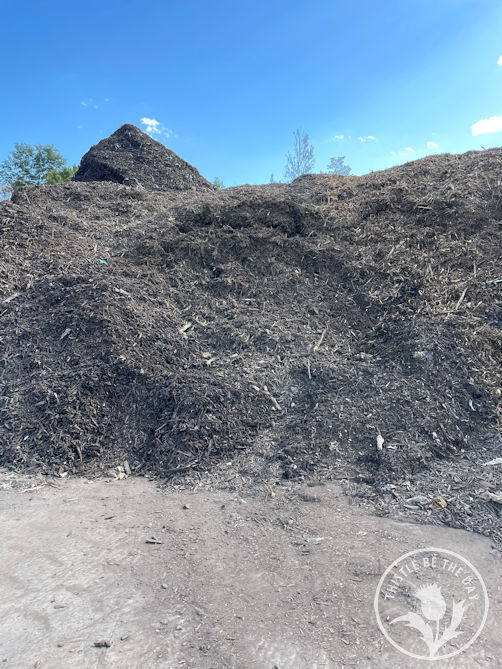
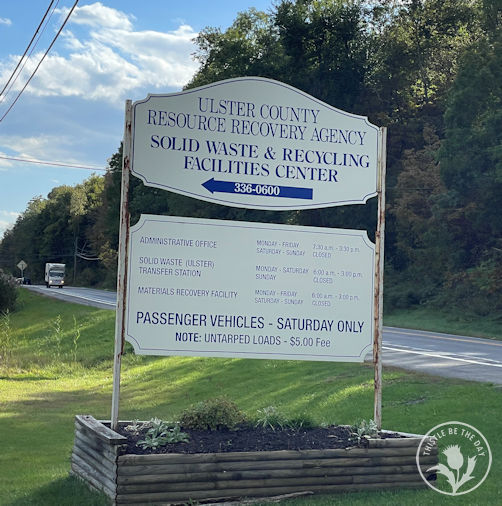
The Ulster County Resource Recovery Agency Organics Recovery Facility is an industrial-scale composting operation based in Kingston, New York. They accept food scraps from commercial businesses and facilities and turn them into compost sold to local farmers, landscapers, and gardeners in bulk and in bags. They are permitted through the NYS Department of Environmental Conservation and the compost is certified by the U.S. Composting Council. Between 2012 and 2021, they composted over 38,000,000 pounds of food scraps, keeping them out of landfills.
Food waste is a real problem in the United States, with 40% of food produced (63 million tons) wasted yearly. That’s a staggering 20 pounds of food per person each month! Food is the most significant component (22%) of the material buried in landfills. When it breaks down anaerobically in the landfill, it creates Methane, a greenhouse gas harmful to our planet. Food waste is produced on farms if it doesn’t meet quality, size, or cosmetic standards, during transportation, at restaurants, within grocery stores, and at home.
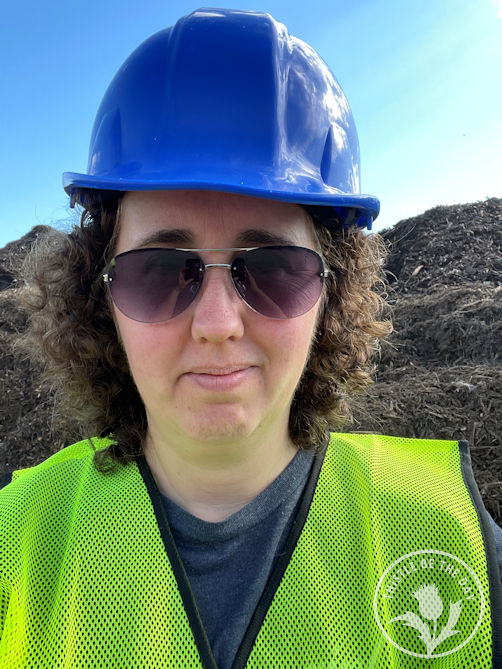
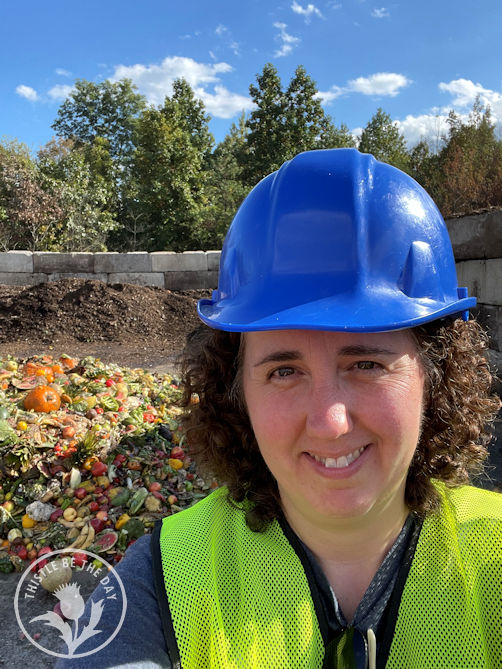
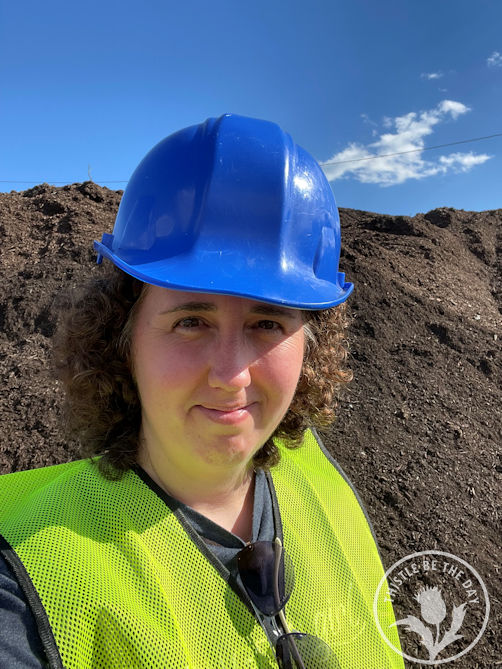
Our visit began with an informative presentation on the program’s background and was followed by a facility tour. Safety is a high priority, with heavy machinery on site, so we donned hard hats and safety vests during the tour. I felt like a member of The Village People about to break into a rendition of Y.M.C.A. But, if wearing them kept me from getting run over by a backhoe, I was all for it.
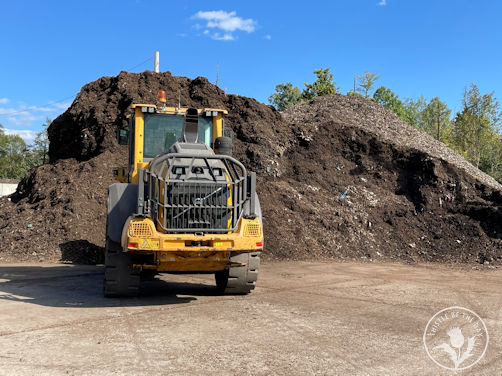
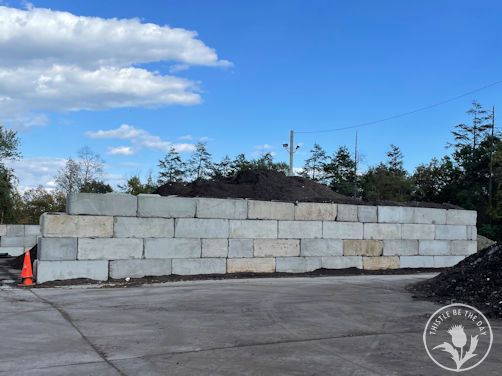
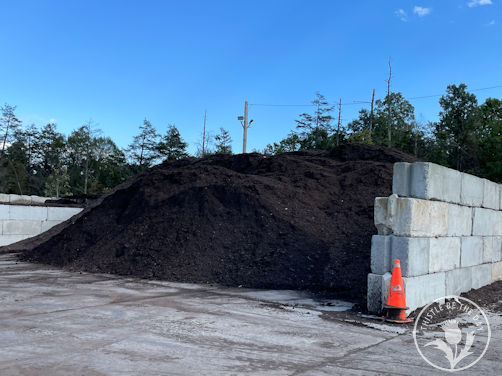
The entire composting area is sited on a concrete pad to prevent contamination. If it rains, wood chips are used to soak up the water to avoid runoff and are then added back into the compost pile. Bays are created using large concrete blocks to separate some of the phases of the composting process. UCRRA is strict about what goes into their compost. Commercial business composting partners are registered and trained to ensure the correct items are brought to the facility. UCRRA employees are also trained to distinguish between compostable and non-compostable items to screen out unwanted materials. Pre-chipped wood is not accepted to ensure there are no chemical additives. They use a facility wood chipper to break down branches and untreated wood items such as pallets. These are then added to the fresh compost.
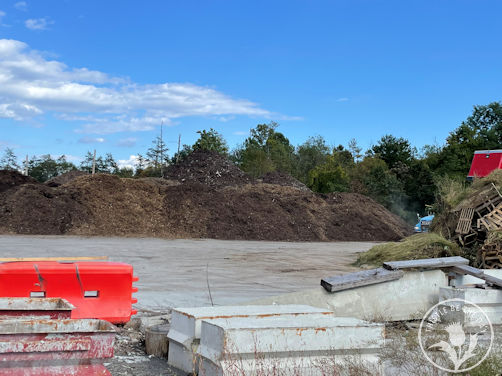
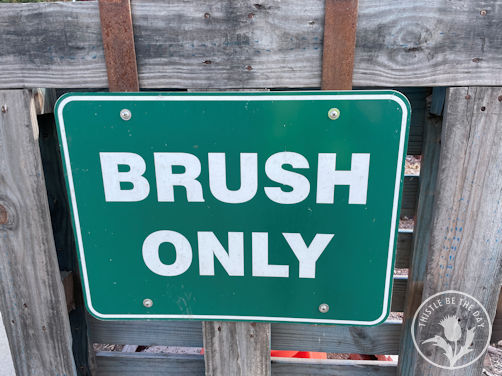
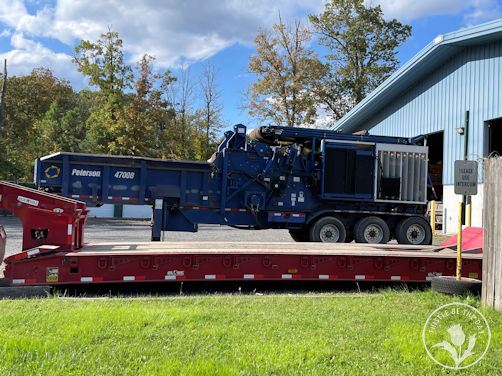
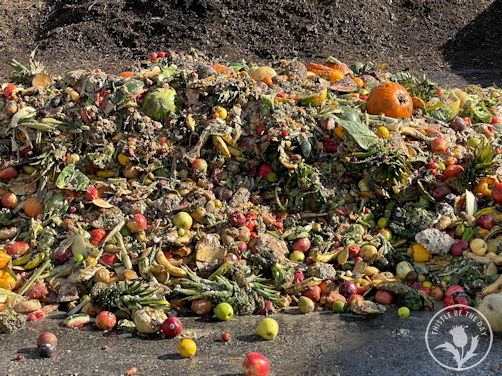
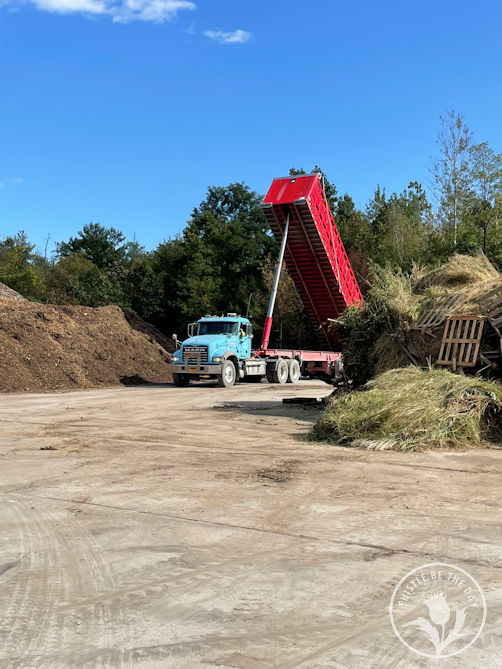
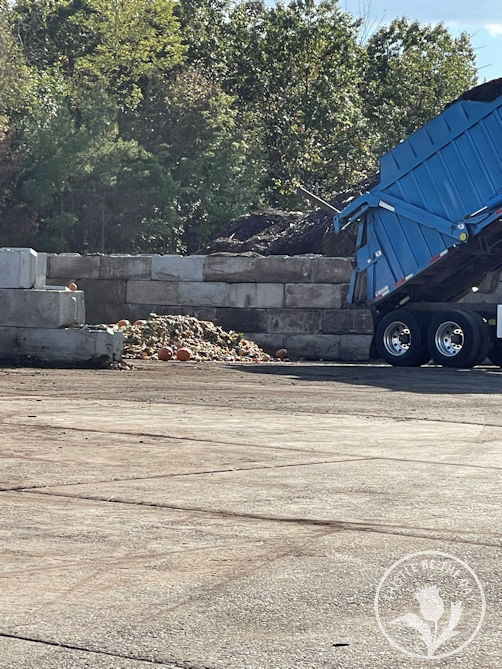
We first visited the intake area where compostable items were dropped off. There were piles of wood waiting to be chipped and trucks full of spoiled produce and food scraps coming and going from grocery stores and commercial businesses. A UCRRA employee is constantly covering up these fresh food scrap deliveries and incorporating them into the pile to prevent unwanted odors and wildlife. I was pleasantly surprised that the only odor I smelled during the tour was that of fresh, earthy compost.
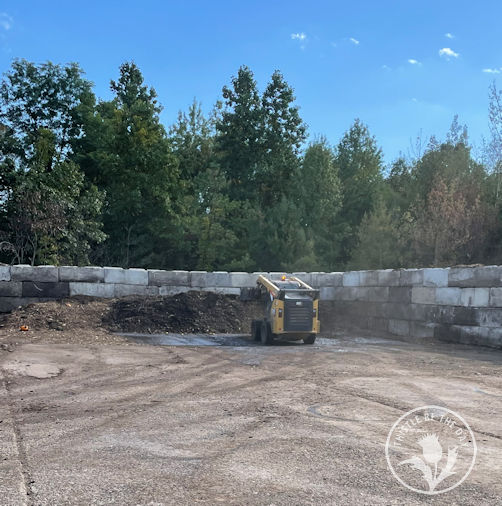
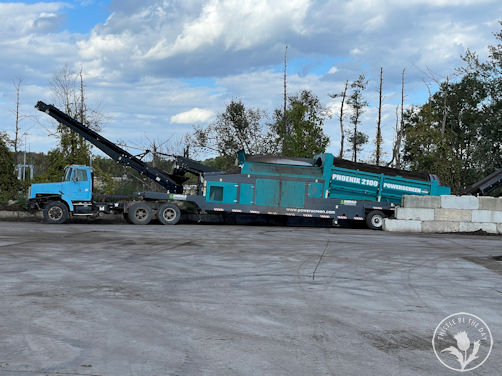
Piles are “cooked” and screened on-site. The compost operation uses Extended Aerated Static Piles (EASP), forcing air into the piles via a perforated pipe system underneath the compost to aid in decomposition. The completed compost is left to “cook” or age for at least 60-90 days before it is sold. The temperatures within the piles are checked frequently to ensure proper temperatures are being reached to reduce pathogens. The active composting temperatures reach up to 165 degrees. These piles are lined up in rows on a schedule to ensure they have been cured for the proper amount of time. The finished piles are then moved to a separate area for public distribution and sold quickly to enthusiastic growers.
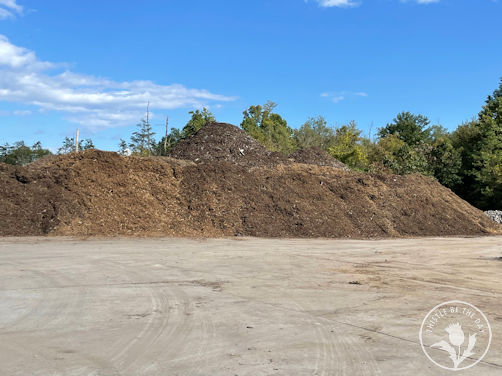
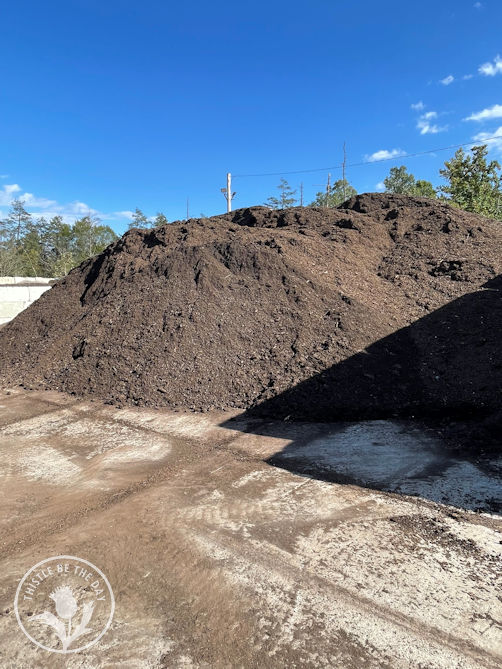
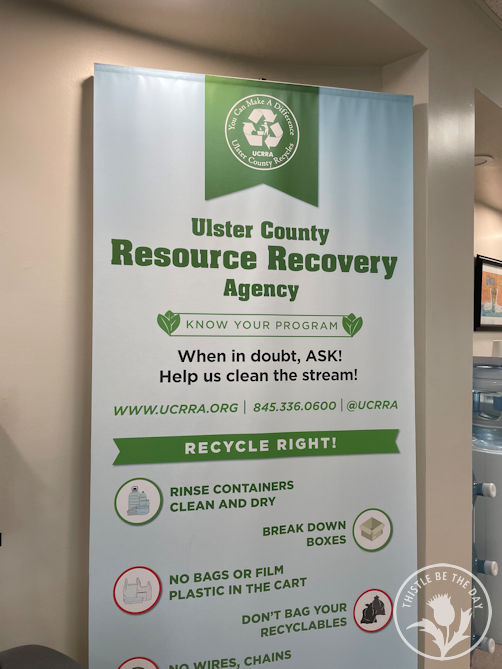
Overall, I was very impressed with the entire operation. Having only composted in my backyard, learning about composting on such a large scale was fascinating. And it was encouraging to see all the food scraps being recycled rather than ending up in a landfill. I was also inspired to see the effort being made for community outreach. UCRRA has an extensive education program with valuable resources and educational opportunities. They offer pamphlets at their facility and local events that encourage reducing food waste and practicing composting. These provide tips for reducing food waste at home through proper shopping and cooking habits and by using correct storage and food prep skills, guides for what is compostable, and how to start a backyard compost pile. UCRRA also offers classes on recycling, composting, and environmental topics and a Certified Master Composter and Master Recycler course. They aim to “Grow Ulster Green” and connect communities through composting.
After the tour, sadly, I had to return my Village People garb. But I left with a goodie bag of educational resources and a feeling of hope that I had just witnessed a step in the right direction. We can all take many steps to reduce our food waste and our imprint on the earth. Composting is an excellent way to recycle our food scraps and return them to the soil from where they originated. It’s full circle and benefits our soil, plants, and planet.
 THISTLE BE THE DAY
Pretty amazing. I missed the tour, but understand the value of this program after reading this. Thanks, Dawn
LikeLiked by 1 person
I admit that I was skeptical at first, but in the end, I really enjoyed learning about the program and seeing the results firsthand. I think overall, they do essential work for our environment.
LikeLike