
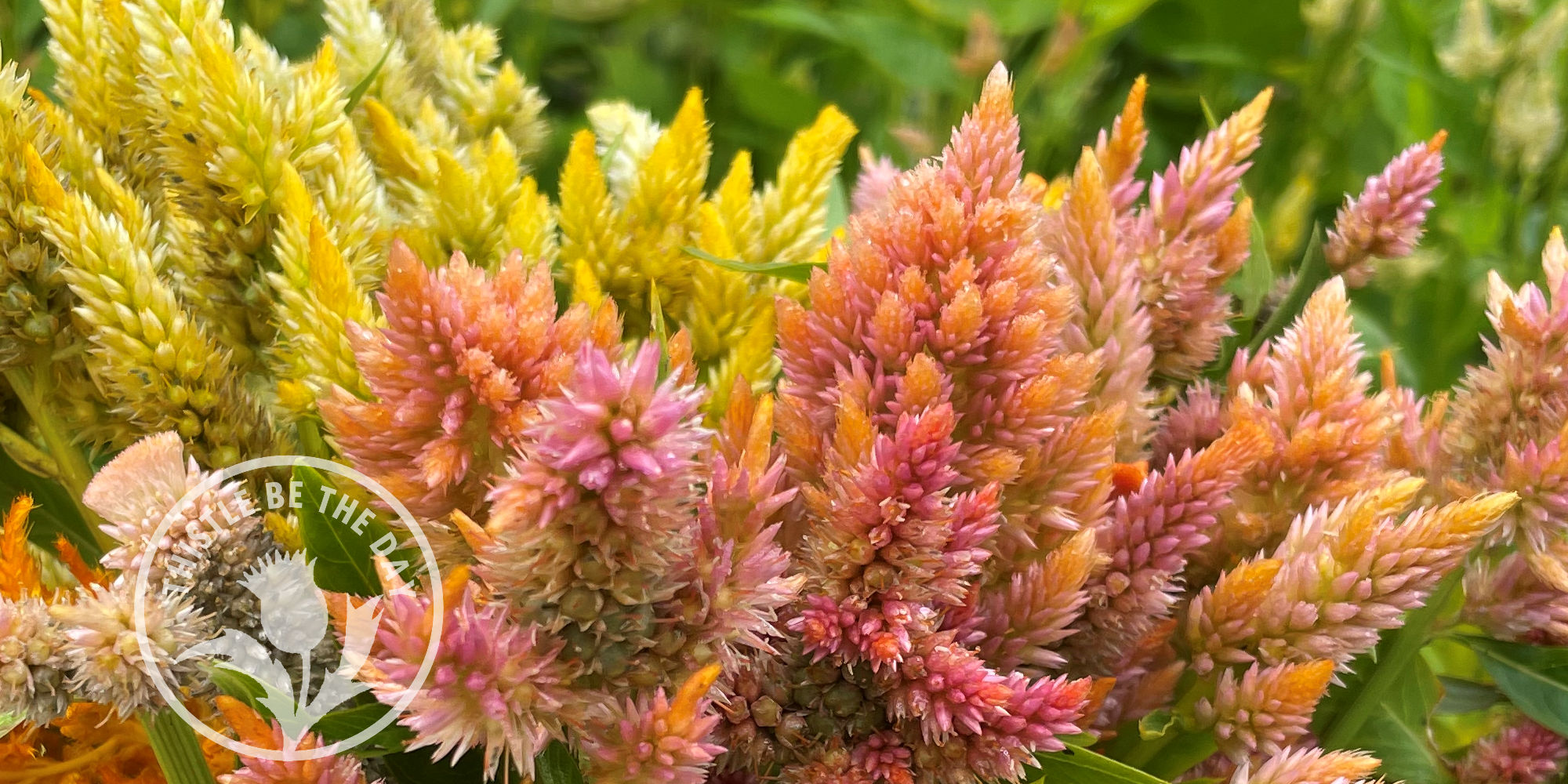
As I’m working on my seed inventory and dreaming of the season to come, I love to flip through the seed packets surveying the beautiful photographs and reading the information printed on the packets. I’m looking forward to growing many varieties this season, some new and others annual favorites. One of the groups of flowers I’m most excited about growing is celosia. Last season, the celosia grew incredibly well on the farm and was a staple filler in our bouquets. This flower’s longevity, beauty, and versatility made it a farm favorite. It’s been a while since I’ve done a plant spotlight post, and I think celosia definitely deserves a moment in the spotlight.
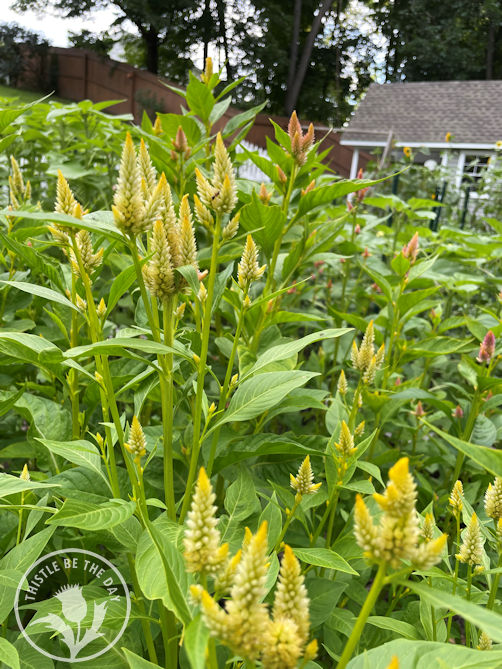
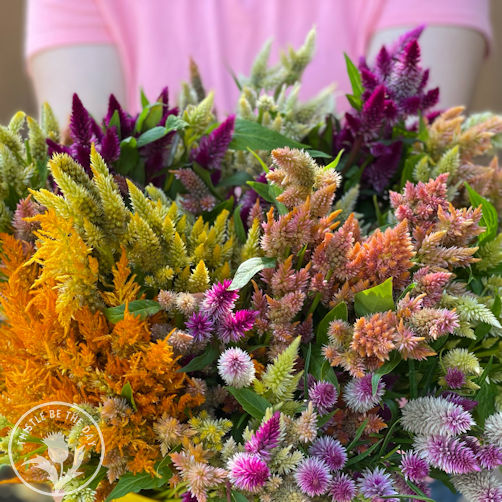
My first experience growing celosia was in 2022 when I experimented with a variety called Ruby Parfait. I loved the form and brilliant color of the flowers and knew I was hooked. So, last season in 2023, I increased the number of celosia varieties to five, including Ruby Parfait, Flamingo Feather, Celway White, Sunday Gold, and Rainbow Sherbet Mix. I was so impressed with them that I plan on nearly doubling the number of varieties this season! Some of the ones I’m most excited to trial are Green Sylphid, Summer Melon Sorbet, and Vintage Rose.
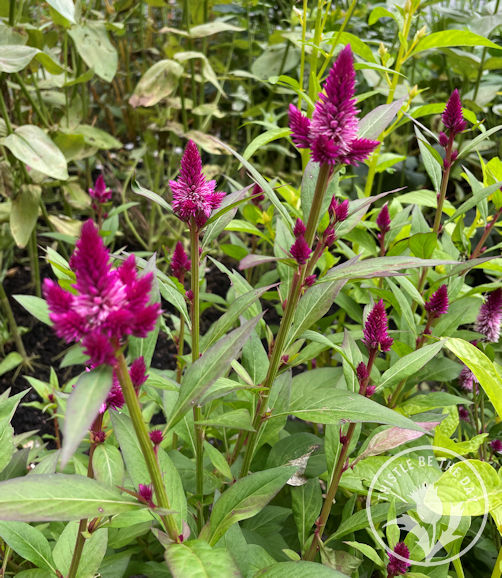
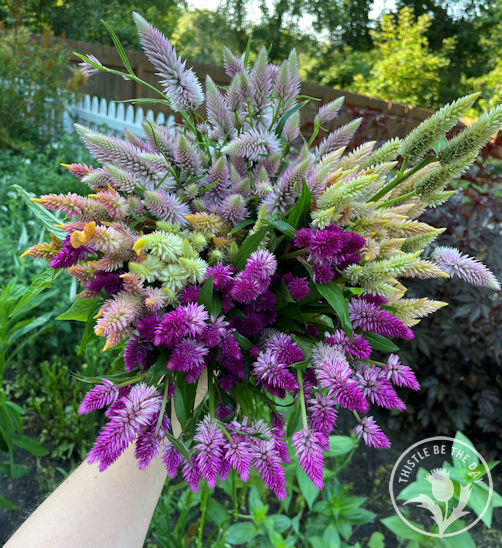
Some History: Celosia is a member of the Amaranth family and is believed to be native to the Mediterranean or East Africa. Its name originates from the Greek word for “burning,” most likely due to the flame-shaped flowers. They are also commonly known as woolflowers or cockscombs. The leaves of celosia are edible, having a spinach-like taste when they are young. The leaves, young stems, and inflorescences are a leading leafy green vegetable across Mexico and Central and West Africa, where it is often used in stews.
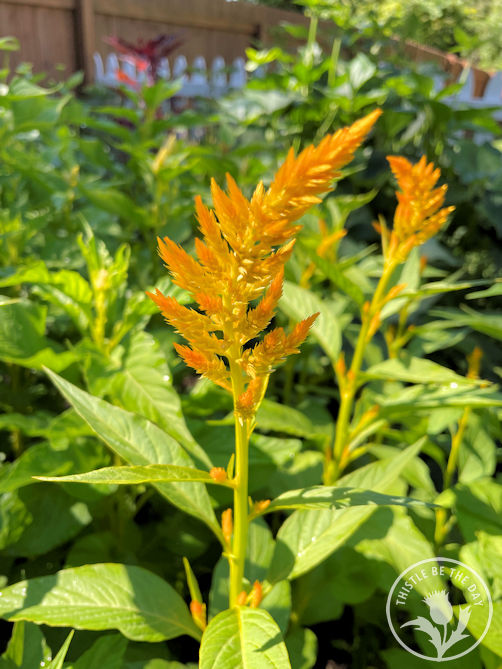
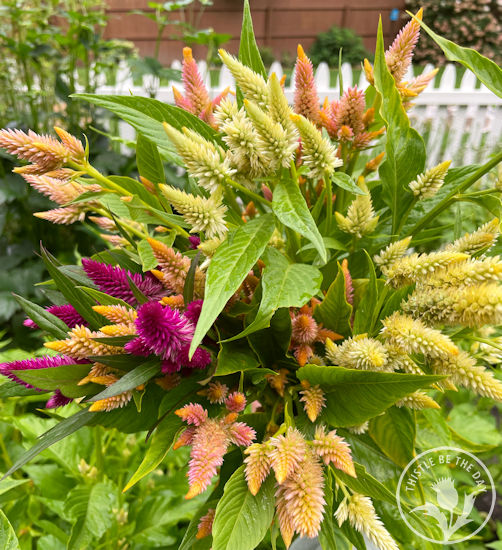
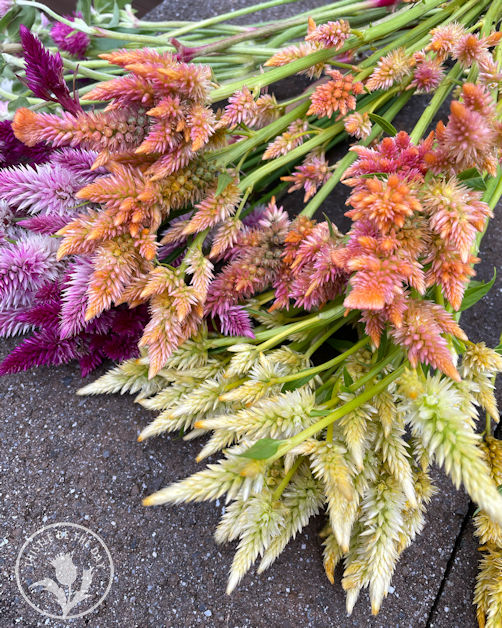
There are approximately 60 species of celosia, with most garden varieties falling into the argentea and spicata species. These species have three distinct types: plumed, wheat, and cockscomb. Plumed cultivars have flowers with a feathery appearance with multiple flower stalks. Wheat cultivars look similar to a grain crop and have a singular flower stalk. Cockscomb cultivars have large flowers that resemble coral or a brain and often need to be staked due to the flower size and weight. Standard floral colors include red, orange, white, pink, yellow, purple, and maroon. Foliage color can vary from blue/green, purple/burgundy, or gold/chartreuse.

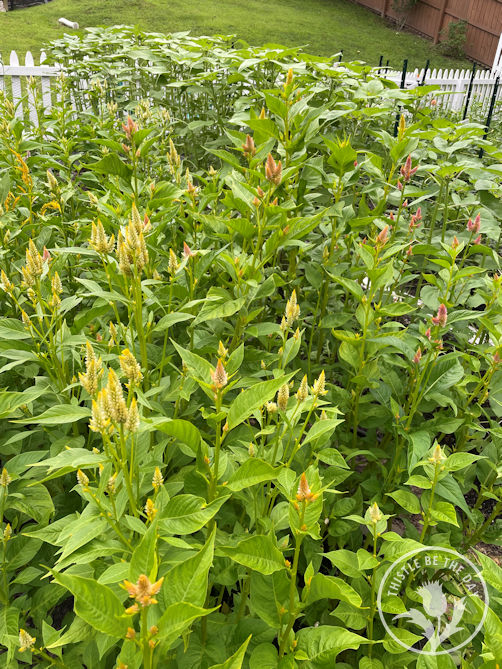
Growing Celosia: Celosia are considered annuals in our growing zone, although they can self-seed and pop up the following season. They can be grown from seed or propagated from cuttings. Plants will flower about three months after the seeds germinate. So, if you live in an area with a shorter growing season (like I do), starting your celosia seeds indoors about six weeks before your average last frost date is best (check individual seed packets for specific growing instructions). By starting your seeds indoors, you give the plants a head start, and once established in the garden, they can bloom from early June through frost. Celosia should be planted in full sun (they require at least 6-8 hours of sunlight) and well-draining soil (preferably at a pH of 6.0-6.5). Celosia doesn’t like to have wet feet, so avoid overwatering. Pinch celosia plants (except the Bombay types) when they are about 6-8 inches tall, and deadhead spent flowers for increased blooms. Celosia is low maintenance, easy to grow, and relatively pest and disease-resistant.
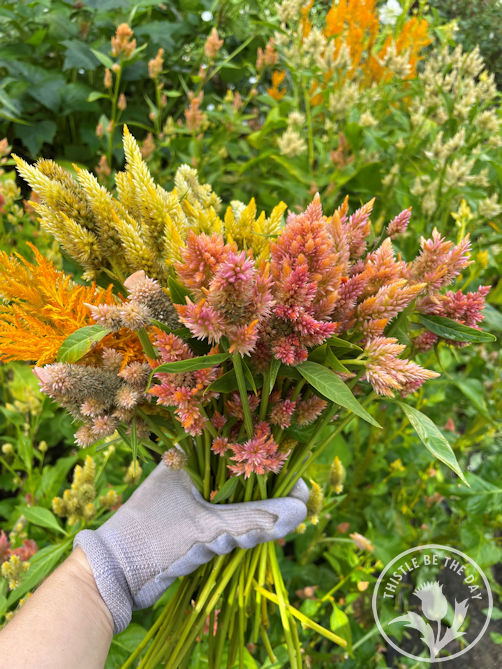

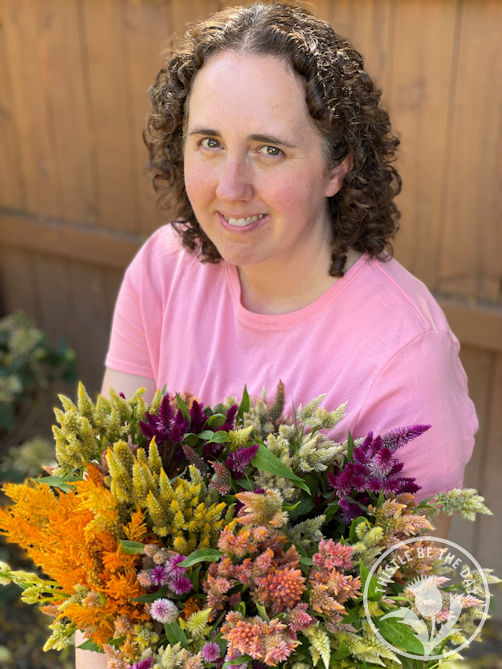
Enjoying Your Blooms: One of the aspects of celosia that I love the most is its versatility. They add a stunning spike and filler component in bouquets all season long and dry beautifully. Last season, our celosia pumped out blooms until frost, giving me several months of continual harvest. Once harvested, the cut stems have a long vase life, often lasting over two weeks.
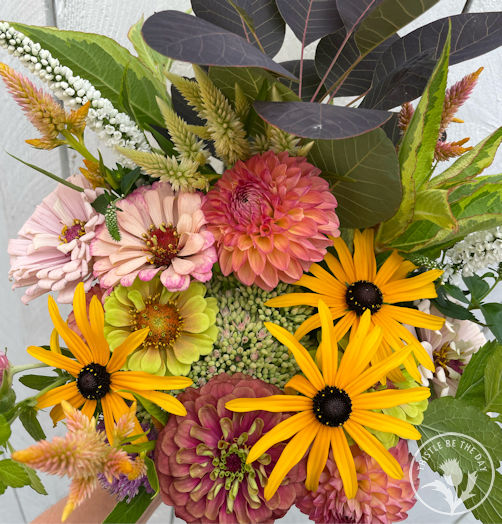
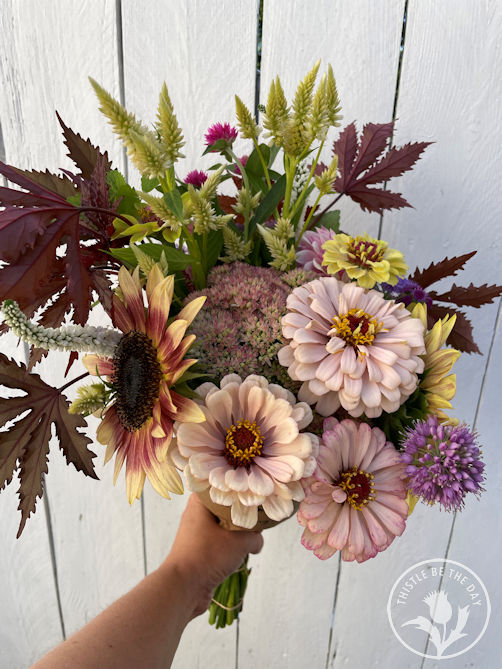
Throughout the season, I made sure to harvest blooms for both fresh bouquets and for drying. Celosia makes an excellent dried flower and was an integral component in our dried flower wreaths and decorative pumpkins. Also, if you like to save your flower seeds, celosia seeds are easy to collect and save. Celosia also attracts pollinators such as bees, butterflies, hummingbirds, and other beneficial insects, creating an inviting ecosystem in your garden.
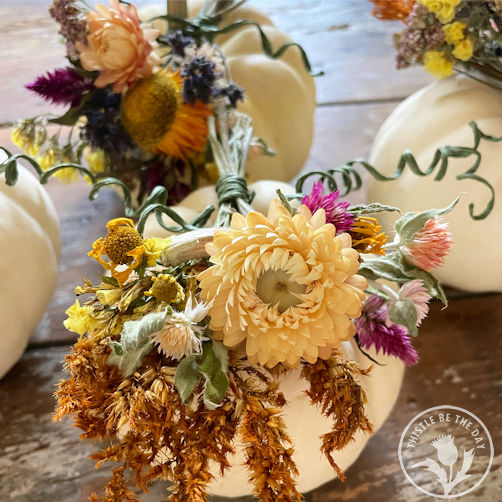
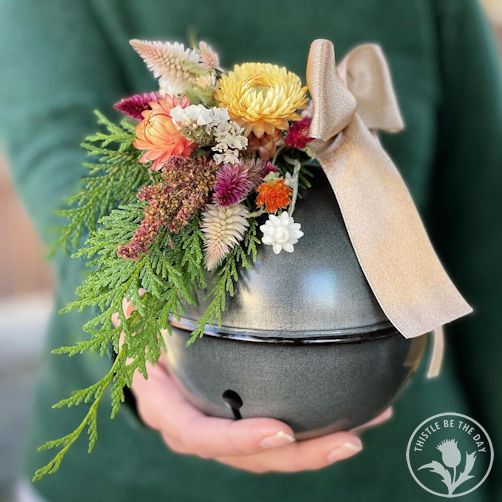
If you haven’t already saved space in your garden to grow celosia, I highly recommend it! I honestly can’t find anything that I don’t love about this plant. So, grab a packet of seeds and grow celosia along with me this season; you’ll be happy you did!
Sources: Celosia, Celosia Facts, & Growing Celosia
 THISTLE BE THE DAY
Very nicely done!
LikeLiked by 1 person
Thank you, Carolee!
LikeLike