

For years, I avoided succulents. Despite my fascination with them and affinity for how they look, with their fleshy, water-storing stems and leaves, they stood no chance of surviving in my household. I am loathe to admit that I have killed many a cactus in my day. When it comes to succulents such as cacti, I love them a little too much. In other words, I kill them with attention (and way too much water). So, I vowed never to take in another succulent houseplant, fearing it would meet its demise at my hands. However, as it turns out, cacti are just one family of succulents. There are over 50 plant families within the group of succulents, and one of those families is sedum.
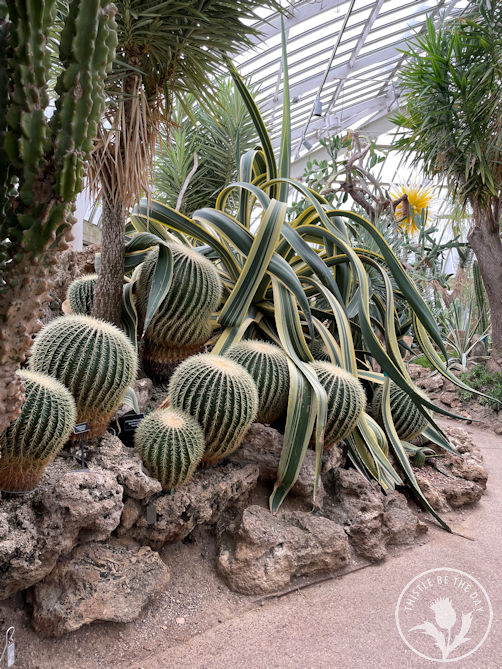
Also commonly called stonecrop, sedum is an easy-to-grow succulent for your garden. There are between 400 and 500 species of sedum, coming in many colors, shapes, and growth habits. They are distinguished by their fleshy foliage and star-shaped flowers in sprays or clusters that tend to change color during their bloom time. Pollinators such as bees and butterflies flock to sedums when they bloom from mid-summer to fall. A versatile family of plants, sedums can add interest to rock gardens, slopes, mixed borders, or pathways singly or in mass plantings.
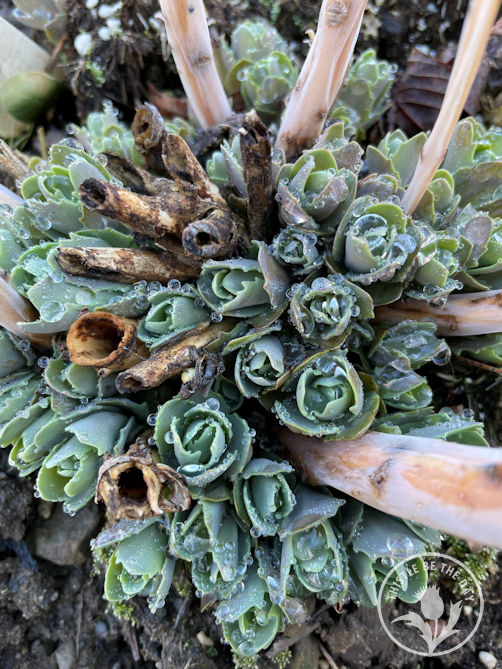

Hardy in USDA zones 3-11, sedums prefer full sun and well-drained soil. They are prone to root rot if planted in soil with too much moisture. Sedums are drought-resistant and tolerant of a variety of soil conditions. However, be careful not to over-fertilize, as overly-rich soil can make the plants leggy and top-heavy. Most sedums can tolerate a bit of shade, but full sun is best if planted in colder zones (Zone 5 or colder) to increase the success of overwintering in perennial varieties.
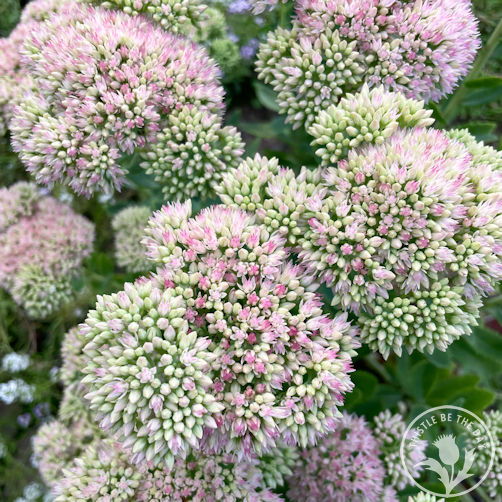
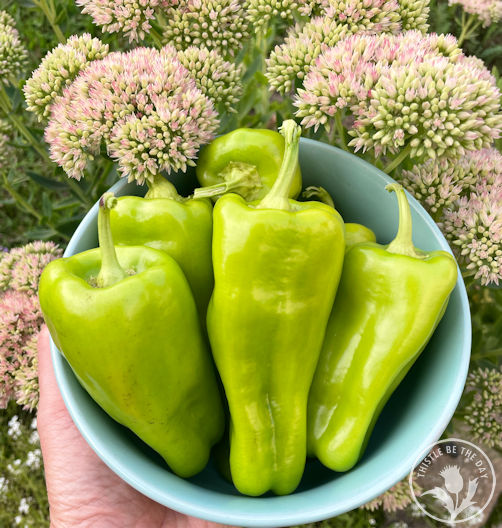
Sedums are categorized based on their growth habit: low-growing sedums (including the creeping and trailing varieties) and tall or upright sedums. The low-growing sedums are groundcover types that spread along the ground and reach only a few inches in height. These varieties are excellent in rock gardens and along pathways. Tall or upright sedums produce large flower heads on tall, upright stems. The height and larger blooms of upright sedums make them ideal for pollinator gardens and mixed border gardens. Several years ago, upright sedum was reclassified to the genus Hylotelephium, but it is still commonly known as “sedum.”
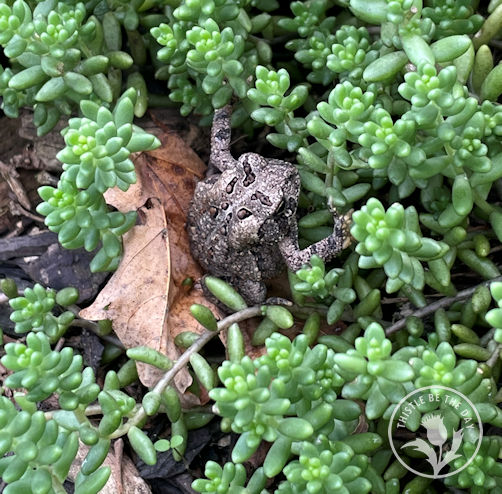
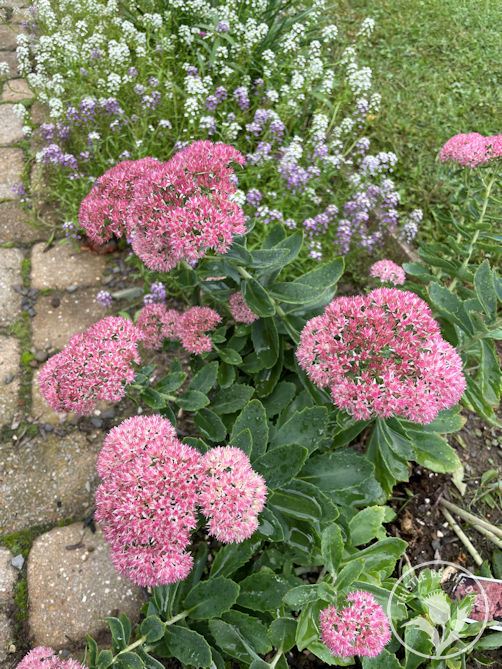
Over the years, I’ve grown sedum varieties from both the low-growing and upright categories in my garden. My favorites are the tall sedum varieties such as ‘Autumn Joy’ and ‘Autumn Fire.’ I started growing them as pollinator plants in my Pollinator Playground garden and walkway. These easy-to-grow perennials provided food for pollinators and focal interest with their large flower heads and fleshy foliage.
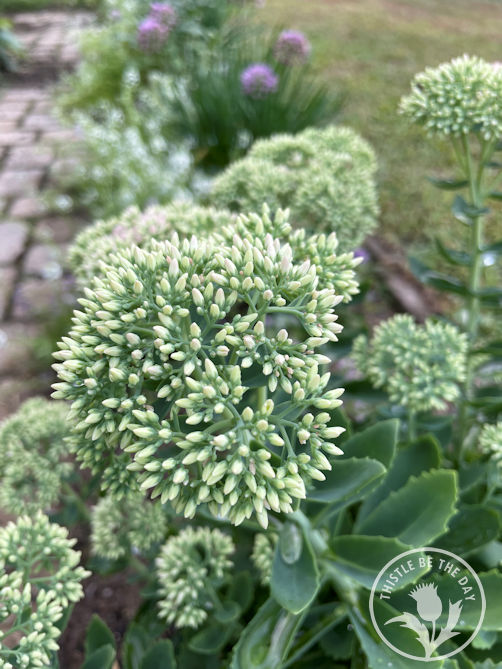
I loved these tall varieties even more when I discovered that sedum makes an excellent cut flower! Their upright stems, large flowers, and long vase-life make them ideal cut flower ingredients for bouquets and arrangements. They have a relatively long harvest window, as the stems can be cut when the flowers are in bud or open. I adore the texture and color of the closed bud stage of these sedums. They add a wonderful textural element that adds interest when paired with other blooms. The colors will change as the flowers start to open, yet they still pair nicely with a wide variety of flowers. They also look lovely standing alone as a bunch within a vase.

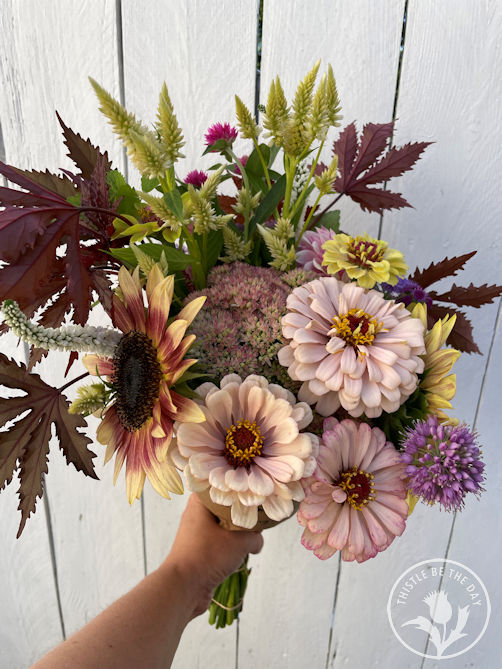
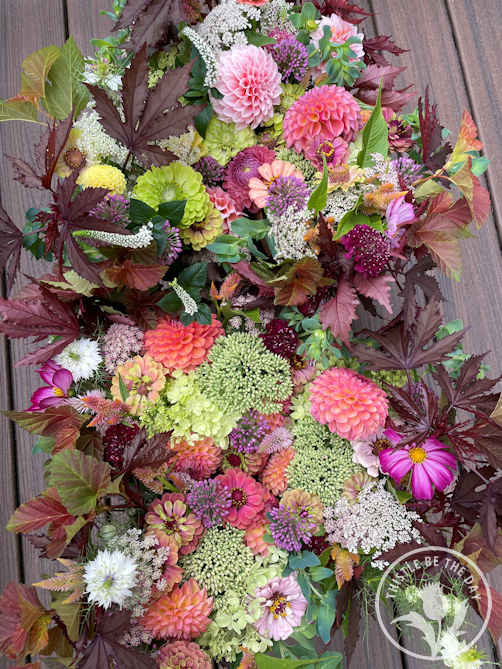



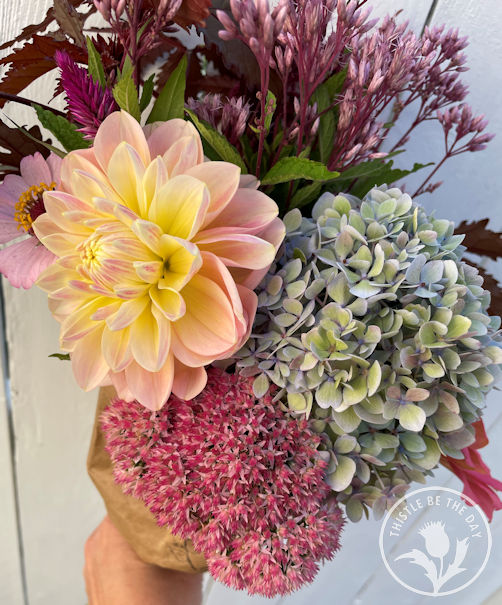
If you plan to grow sedum as a cut flower, please remember that these upright varieties are perennials. Therefore, for the plant’s health, you should leave at least a third of the stems intact so that the plant can store enough energy to overwinter. If you cut all the stems, the plant may struggle to survive. Besides, leaving flowering stems for pollinators is a good practice, and the dried seed heads also add winter interest to the garden.
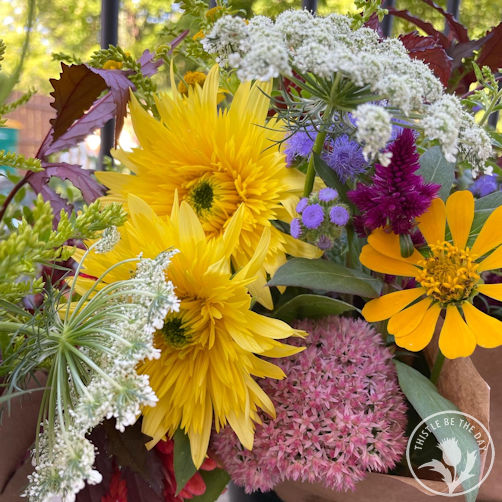
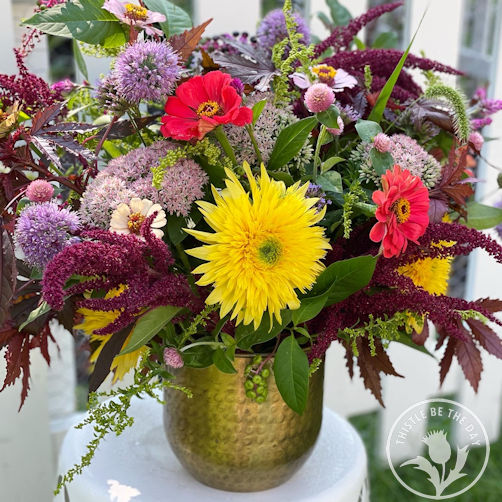
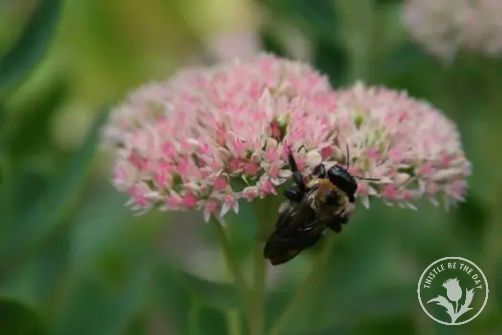
I highly recommend these plants if you’ve never grown sedum in your garden. These reliable, hardy, easy-to-grow plants are a joy to grow, and that’s why I thought they deserved a moment in the spotlight. And unlike their houseplant succulent cactus cousins, I have yet to lose one within my care. Many beautiful varieties are available to suit your needs, so the next time you’re at your local nursery, take a look. I know I will be tempted to add a few new sedum varieties to the farm this season. Happy growing, flower friends!
Sources: Sedum, Sedum Growing Guide
 THISTLE BE THE DAY
I tore out all the tall sedums in my gardens. Just didn’t like the look but maybe I’ll have to put some back in the far rows just for the pollinators. Love your photos.
LikeLiked by 1 person
Thank you, Carolee! The bees adore my sedum. You’ll be rewarded with many pollinators if you plant it in your garden again.
LikeLike
Fantastic photography!
LikeLiked by 1 person
Thank you so much!
LikeLike