

Spring has officially arrived! At least according to the calendar. However, I don’t think Mother Nature got the memo because this week, we are dipping well below freezing each night. With the unusually warm winter, many of our fall-planted bulbs are weeks ahead of schedule, and now I’m rushing to protect them from the freezing temperatures. Many of our perennials have also started to poke their heads out of the soil, and while I am so excited to see them, I hope they, too, make it through these dips in temperature without damage. One of those perennials is our Veronica, a lovely plant that sends up beautiful, spiked blooms in various colors. I thoroughly enjoyed the flowers in our mixed bouquets last season, and I’m thrilled they have returned. When I realized I had not yet put this fantastic plant in the spotlight, I thought it was about time.
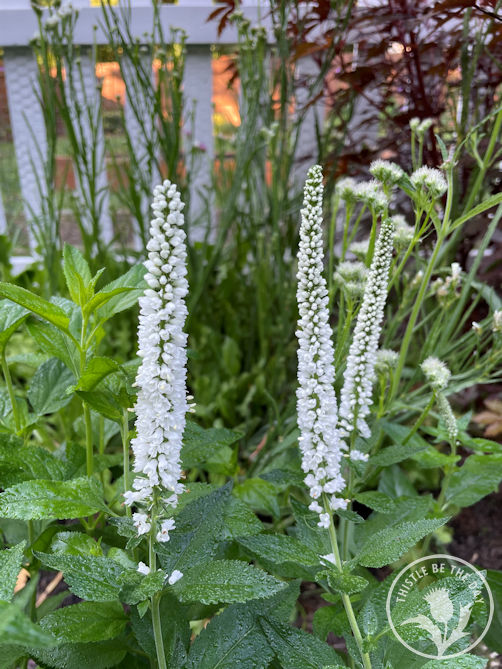
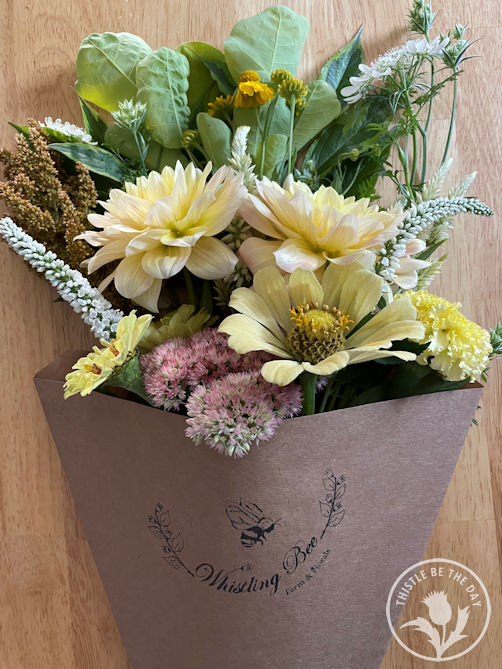
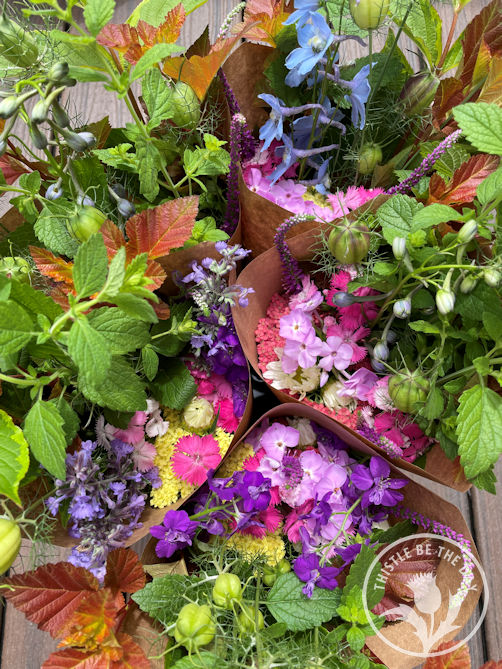
Veronicas, or Speedwell, are a vast species numbering around 500 with low-growing and tall spiked cultivars. These easy-to-grow perennials are tough plants cold hardy in USDA zones 3-11, and they are deer and drought-resistant once established. Originating in Europe and East Asia, with some varieties hybridized from North American wildflowers, Veronicas add great interest to any garden. They are also versatile, ranging in height from six inches for the ground covers to forty-eight inches for the taller spiked varieties, which rarely need staking with their stiff, strong stems. This versatility makes them ideal for slopes, walls, bedding displays, walkways, edging, rock gardens, containers, hanging baskets, flower boxes, and mixed borders. Veronica can bloom from spring to fall, and many will rebloom if cut back after the first flowers fade. Bloom colors include blue, pink, purple/lavender, and white with blue, gold, or green foliage.

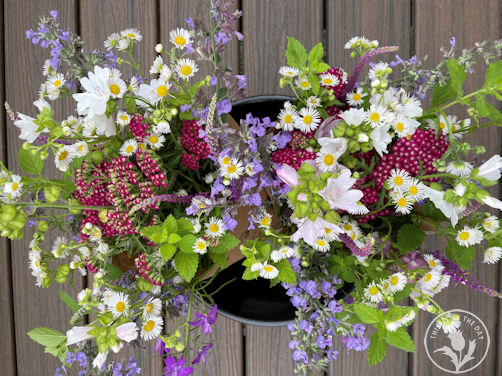
Veronica prefers to be planted in full sun, although it can tolerate some shade. However, full sun will produce the best and highest quantity of flowers. Plant in rich, well-drained soil with plenty of organic matter. These plants are not heavy feeders and do not require regular fertilizer application when planted in rich soil. While Veronicas do best in rich soil, they tolerate sandy or clay soil and a range of soil pH. Pruning your Veronica plants after they bloom will encourage a second flush of flowers. Trim spent blossoms just below the base of the flower. Cutting too low may result in sacrificing the next round of flowers. Plants can be divided in spring or fall every few years after maturity. Veronica is generally pest and disease-resistant. However, fungal diseases like powdery mildew can develop if planted in too much shade, and poor drainage can lead to root rot.
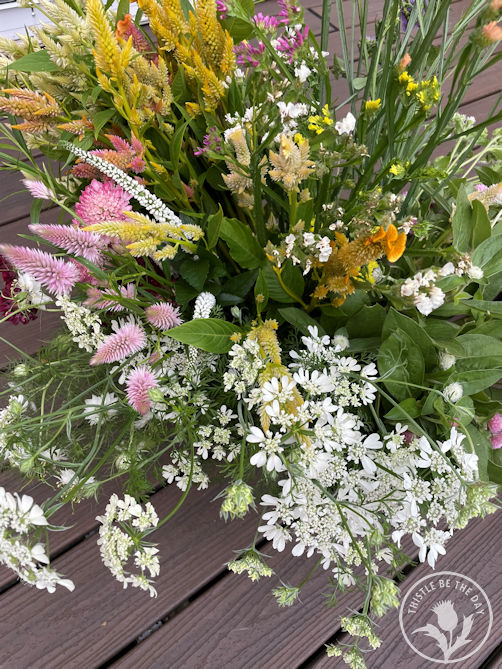
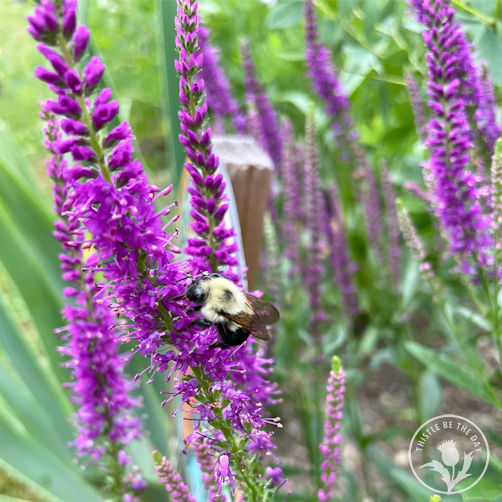
I have planted several varieties of Veronica here on our farm in shades of pink, blue, and white. Many are planted in our Pollinator Playground bed, as Veronica flowers attract butterflies, hummingbirds, and other pollinating insects.
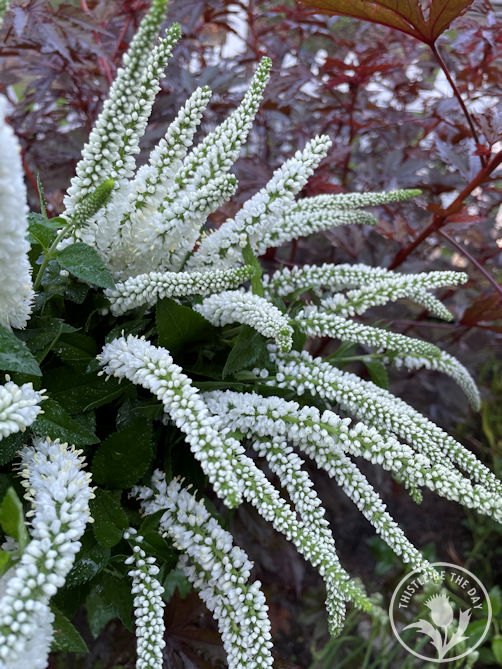
My favorite Veronica I grow is the Skyler white variety planted directly in the cutting garden. Despite being transplanted last spring from plugs, they produced plentiful blooms all season during their first year.

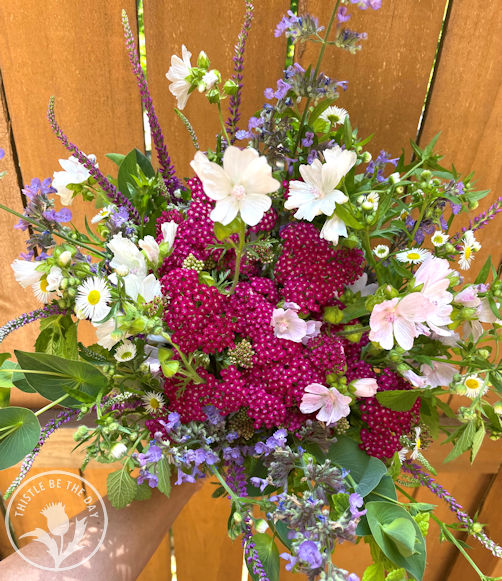
The blooms of the taller cultivars make excellent cut flowers, and I loved how they looked in our mixed bouquets. I’ve always been partial to spiked blooms, as I adore how they stand out in the garden and in bouquets and arrangements. They add height, a bit of drama, and visual interest. Cut the stems when 1/2 to 1/3 of the flowers on the spike are still closed for the best vase life. Flowers will last five to seven days once cut; however, they are ethylene-sensitive, so be careful to keep them away from ripening fruit and vegetables.
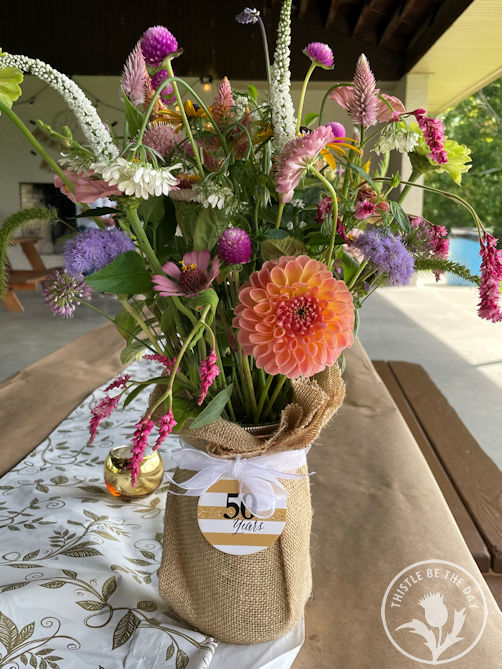
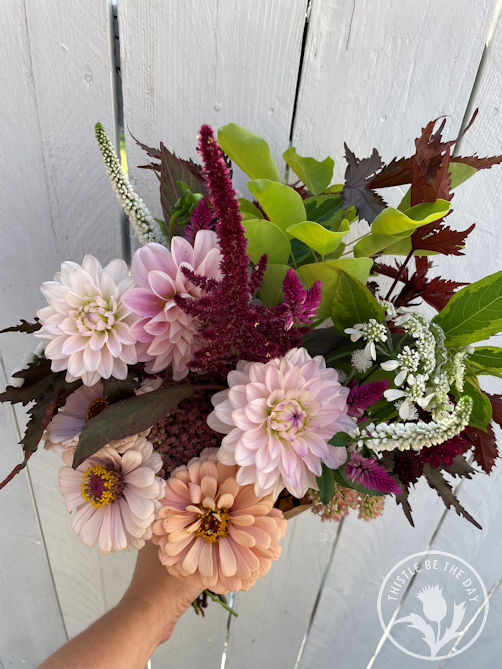
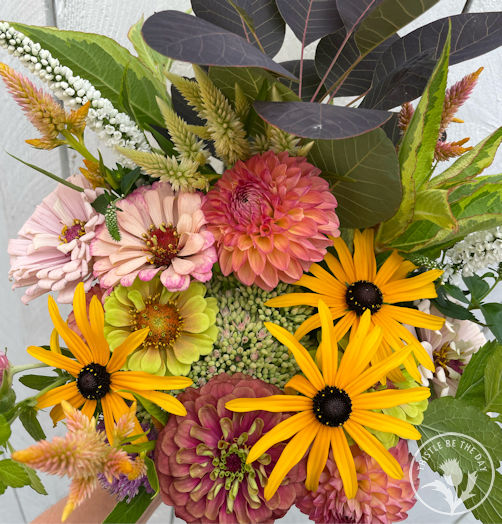
I plan on adding both the Skyler blue and pink varieties to our cutting beds in the future. I am all for adding more perennials to the farm that are easy to maintain and produce beautiful and bountiful blooms. If you haven’t tried Veronica in your garden yet, I highly recommend that you do. These hardy perennial plants will attract pollinators and add visual interest to your garden while providing plenty of flowers for enjoyment both in the landscape and in a vase. Happy planting!
Sources: Veronica, Veronica as a Cut Flower
 THISTLE BE THE DAY