
I was recently asked for a list of perennials recommended for pollinators. The gardener loved the idea of lower-maintenance perennials that would attract and support pollinators in her garden. I thought it was such a great question that I decided to share my answer as a blog post.
Pollinator Partnership has Pollinator Friendly Planting Guides, an excellent resource for gardeners who want to find suggestions for pollinator plants based on their location. Native plants are best when available, and gardeners should strive to provide blooms throughout the season to support pollinators. The following is a list of perennial plants that I have experience with and have grown in my pollinator gardens here in Zone 6a. They are reliable, relatively low-maintenance, and beneficial to our local pollinator population.
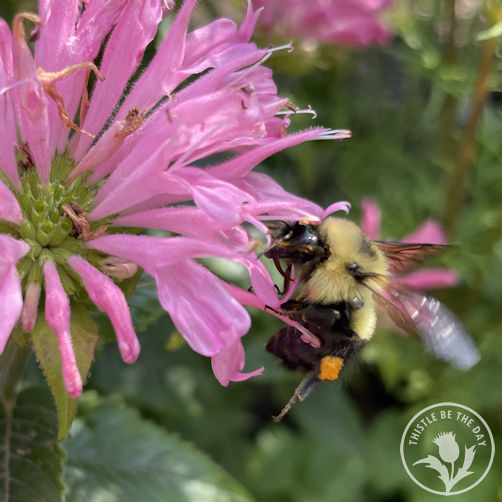
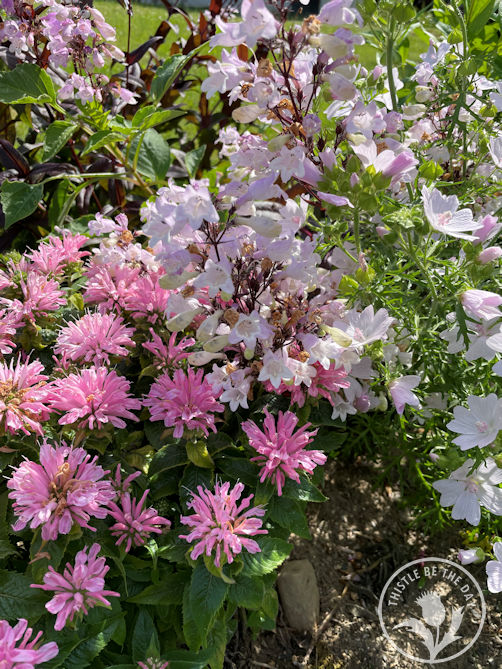
Bee Balm/Wild Bergamot: Bee Balm is an excellent plant that attracts essential pollinators. Bees, butterflies, moths, and hummingbirds all flock to this perennial for its sweet nectar and tube-shaped flowers. Native birds also appreciate the seed heads as a food source in the winter.
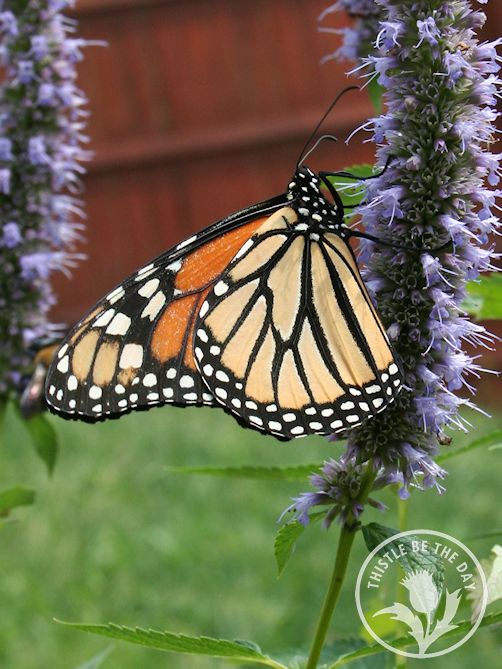
Agastache/Anise Hyssop: These beautiful spiked blooms attract a wide variety of pollinators and provide vital nectar later in the season when other perennials have died back.
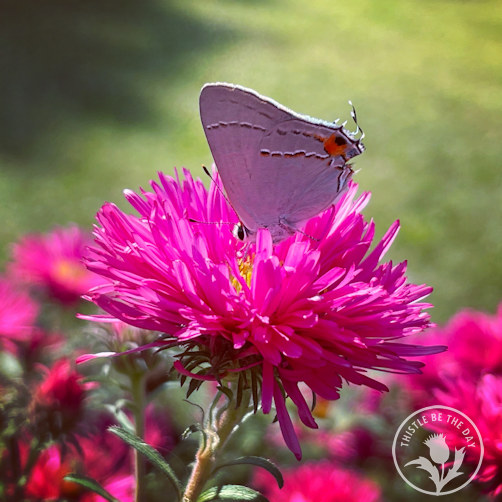
Aster: These blooms attract late-season pollinating insects and provide nectar later in the season when food sources are scarce. They also provide food and habitat for birds that eat the seeds and shelter in the dried stalks.
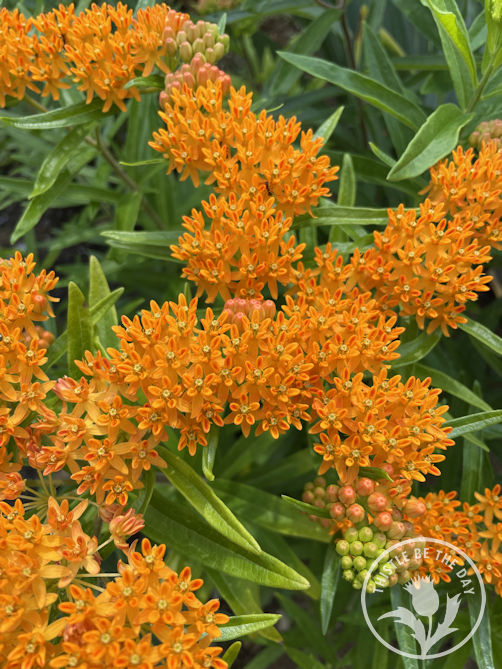
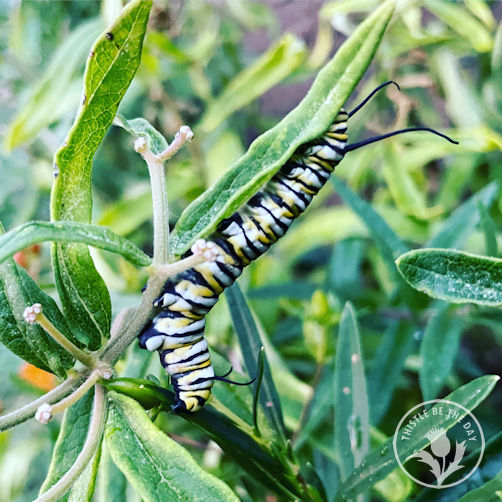
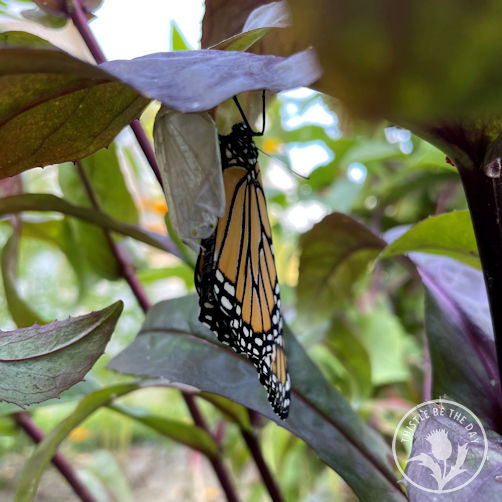
Milkweed/Butterfly Weed: These plants are vital in the monarch butterfly lifecycle. Monarch caterpillars feast on the leaves and build a chrysalis in the stems before metamorphosis. These monarch host plants are a great addition to any pollinator garden.
Penstemon: These flowers are prolific nectar producers and provide an important late spring/summer food source. Bees, butterflies, and hummingbirds are frequent visitors.
Coreopsis: These drought-tolerant plants are a pollinator favorite, and their seeds also provide food for songbirds.
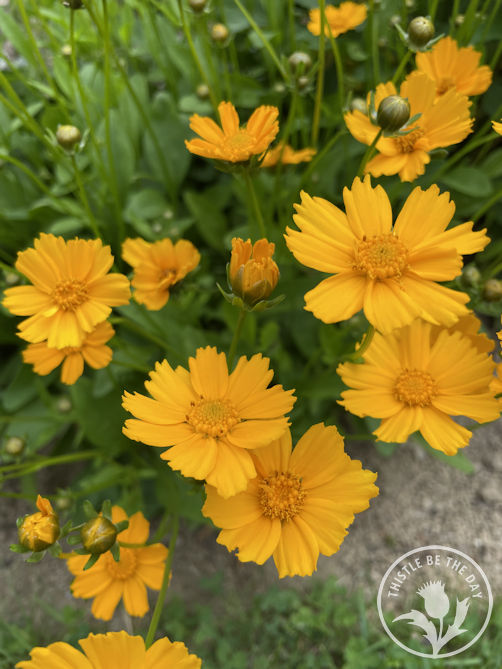
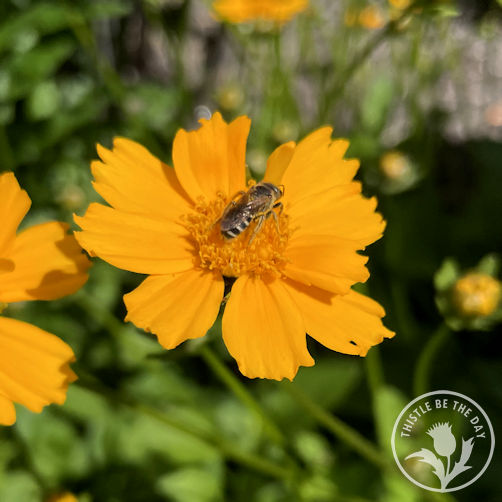
Coneflower and Rudbeckia: Pollinator favorites! These plants are among the most popular in pollinator gardens due to their nectar-rich flowers. They are visited by bees, butterflies, hummingbirds, and songbirds who eat the seeds.
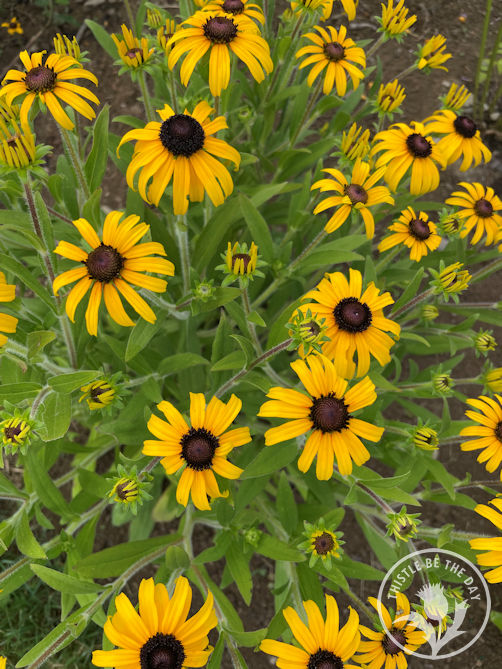
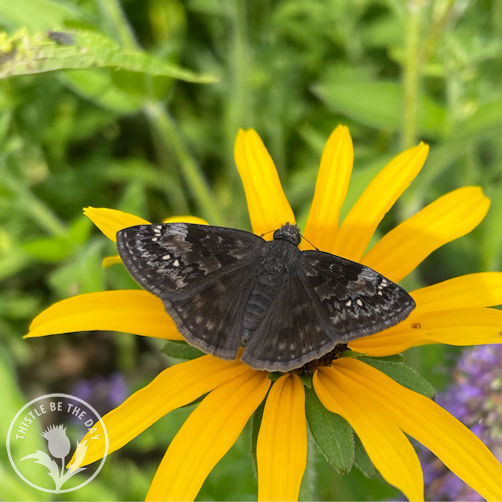
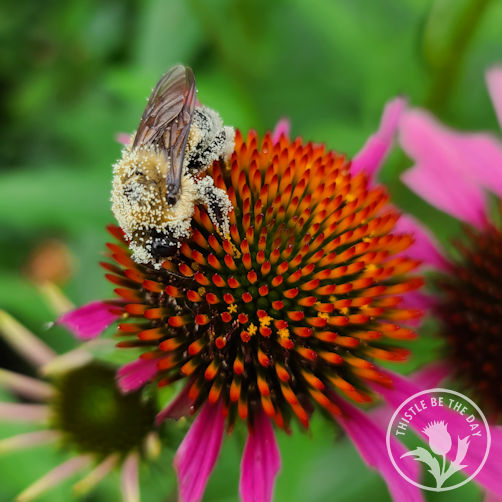
Goldenrod/Solidago: These plants are among the most crucial late-season food sources for pollinators. They support specialist bees, butterflies, moths, solitary wasps, and beetles.
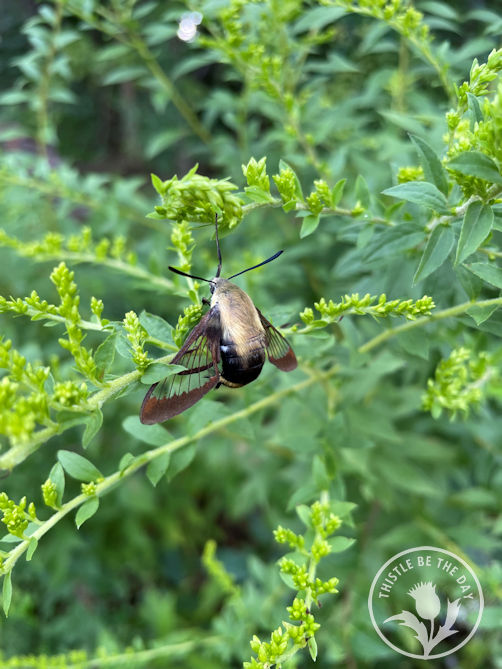
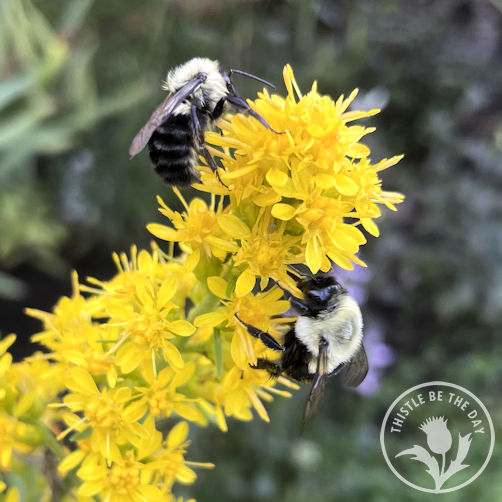
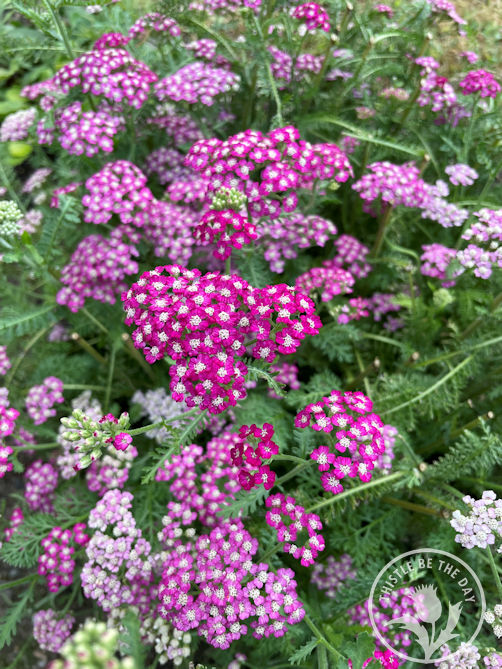
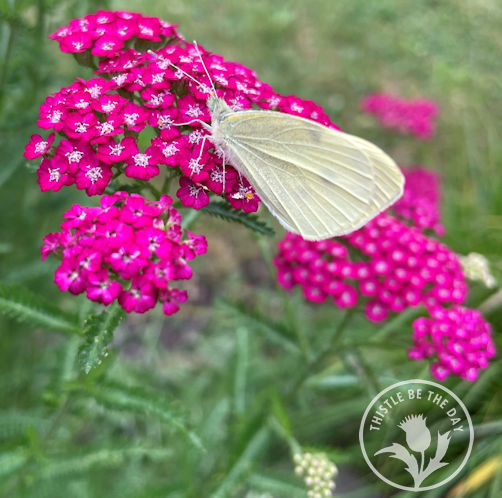
Achillea/Yarrow: It attracts bees such as miners, diggers, bumble, leafcutter, sweat, and mason bees. It also attracts some butterflies. Many of the smaller pollinators flock to yarrow.
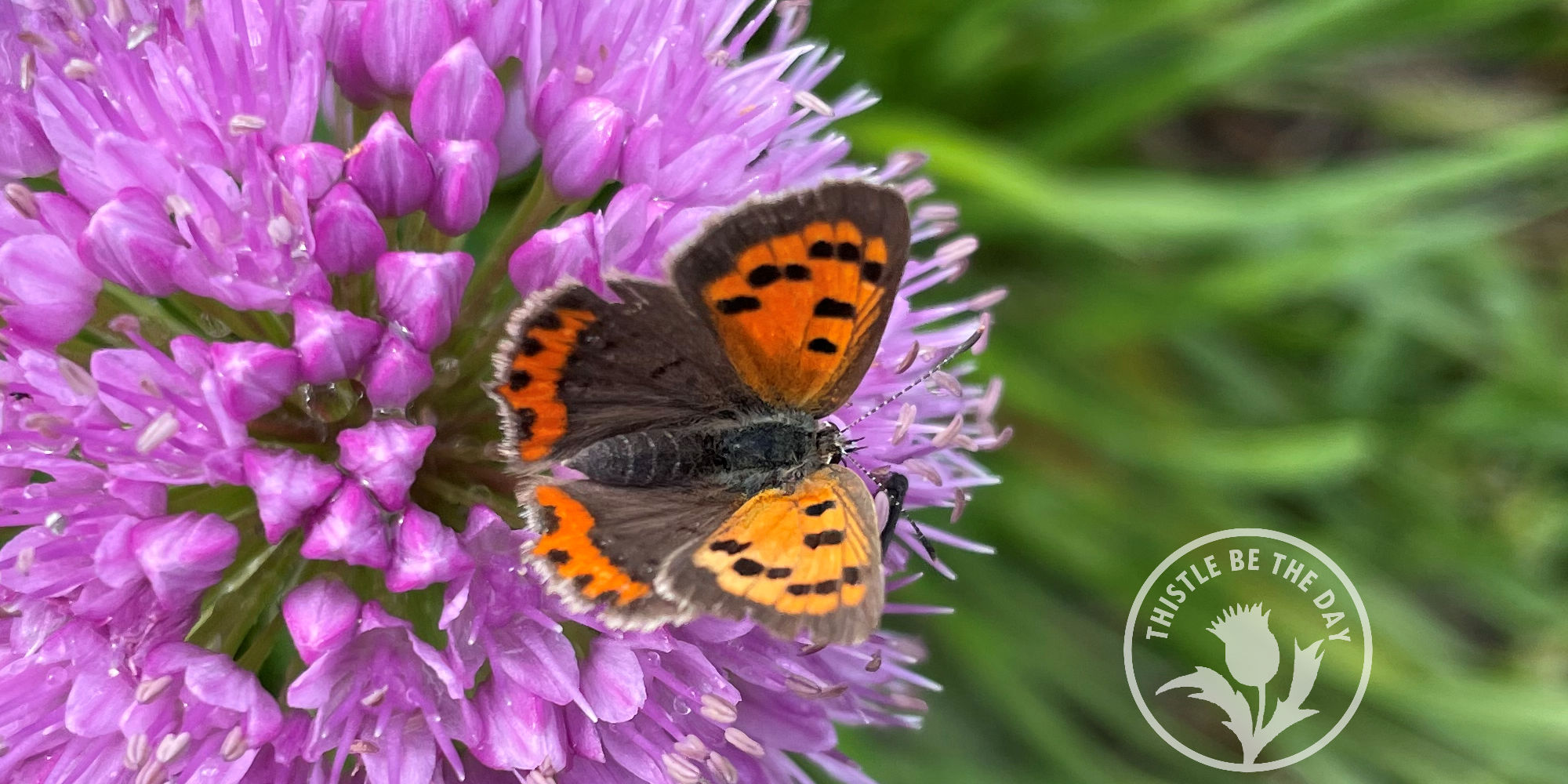
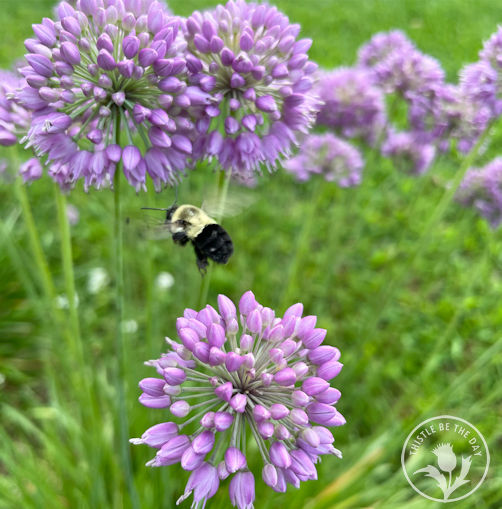
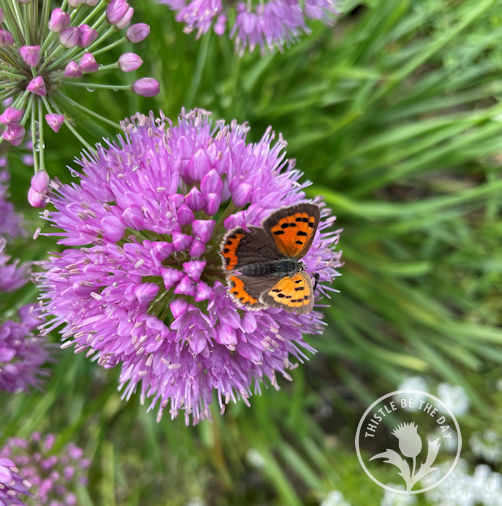
Allium: Allium flowers attract many pollinators, and the globe-shaped flowers bring whimsy to the garden. When the flowers are in bloom, pollinators are always in sight.

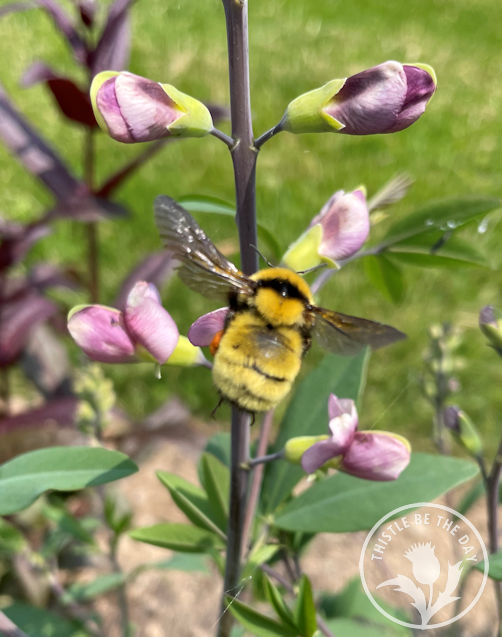
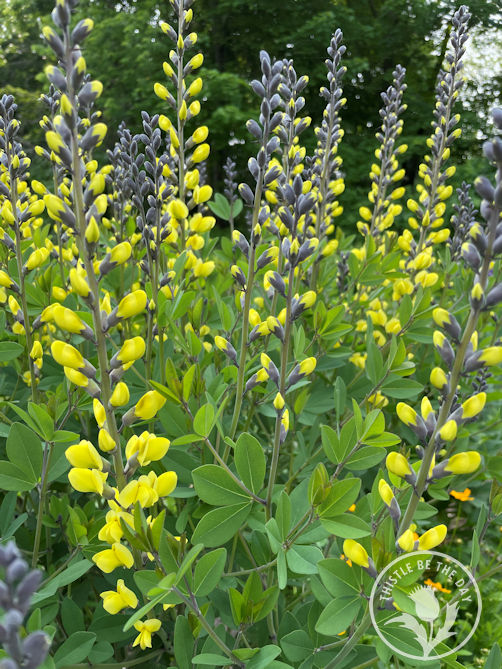
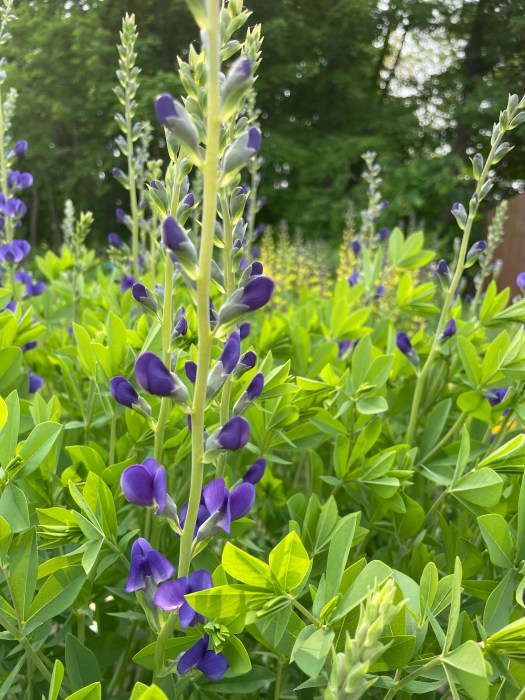
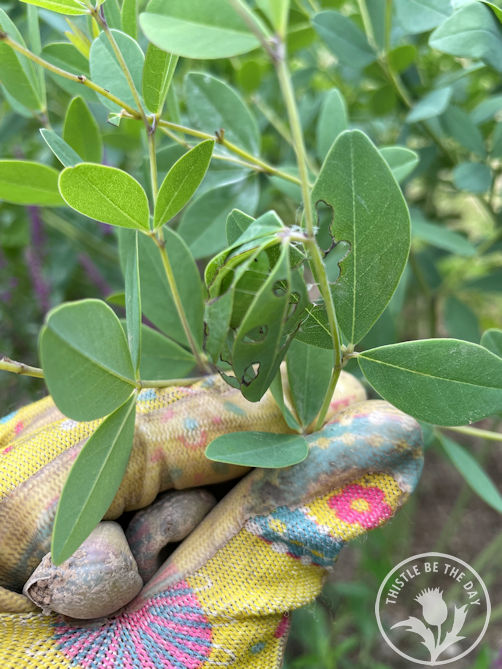
Baptisia: Bees are especially drawn to the flowers of baptisia. Last season, I spotted a rare bee species, the golden northern bumble bee, in my pollinator garden feeding on the baptisia. Seeing the bees and hummingbirds visit these flowers is always a treat.
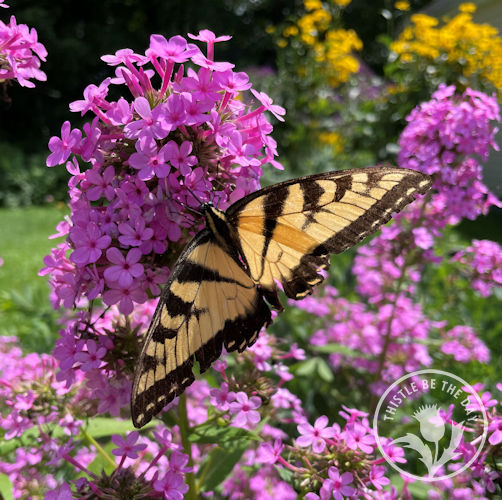
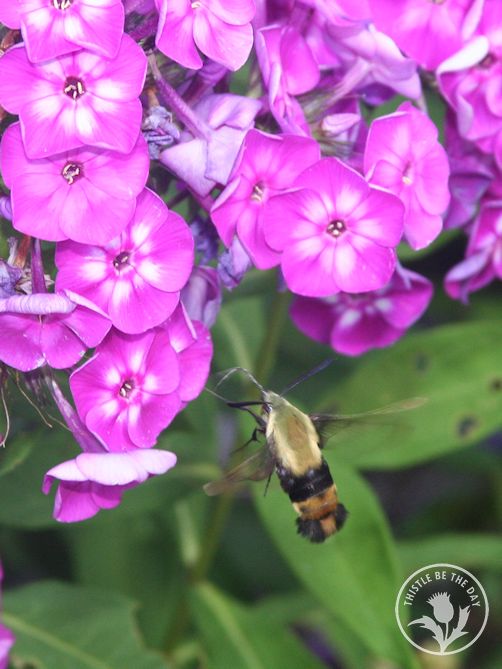
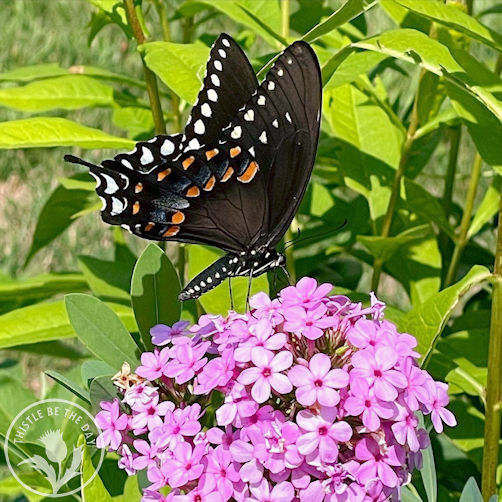
Phlox: A butterfly magnet, phlox is also frequently visited by bees and hummingbirds. This plant is a must for any pollinator garden.
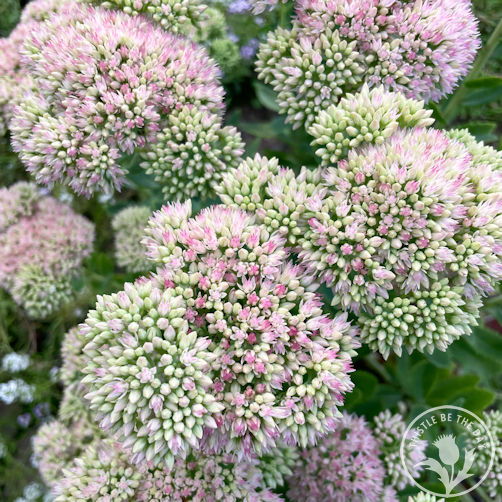
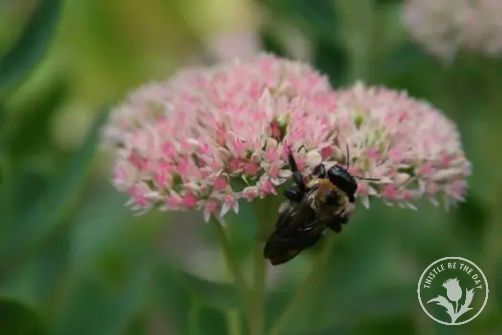
Sedum: When the sedum blooms it attracts pollinators in droves! Bees of all species flock to this nectar-rich food source.
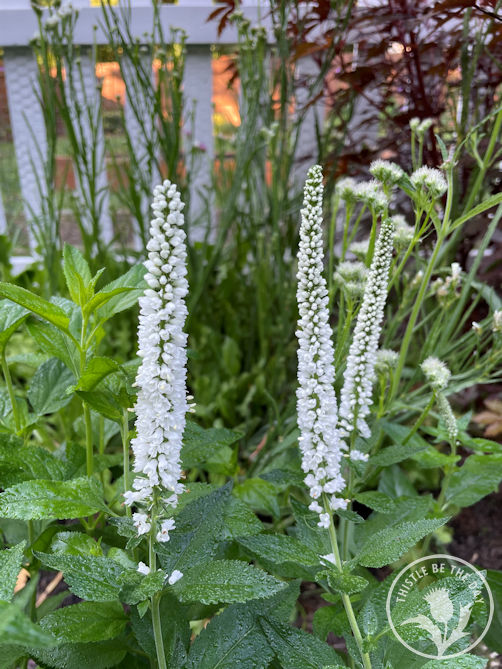
Veronica: These easy-to-grow perennials produce flower spikes that attract butterflies, bees, and hummingbirds to any pollinator garden.
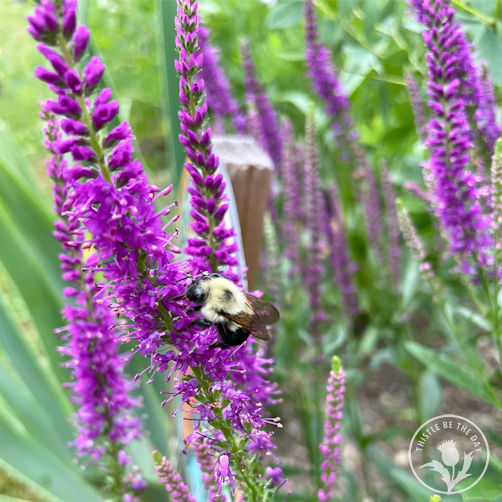
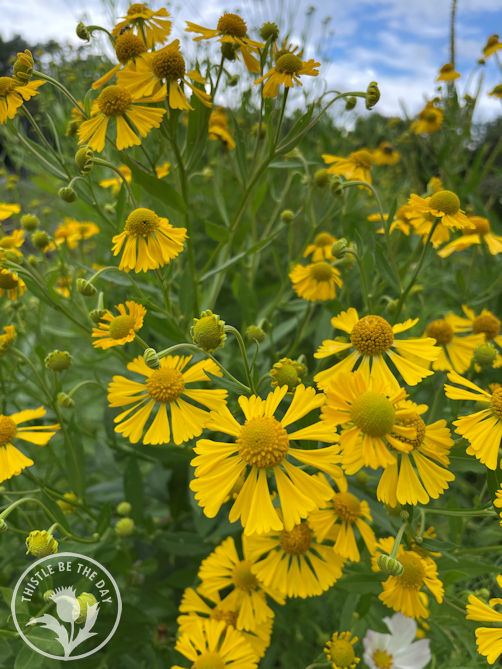
Helenium: These native plants are excellent perennials for the pollinator garden. They provide sweet nectar and a landing pad for bees and butterflies.
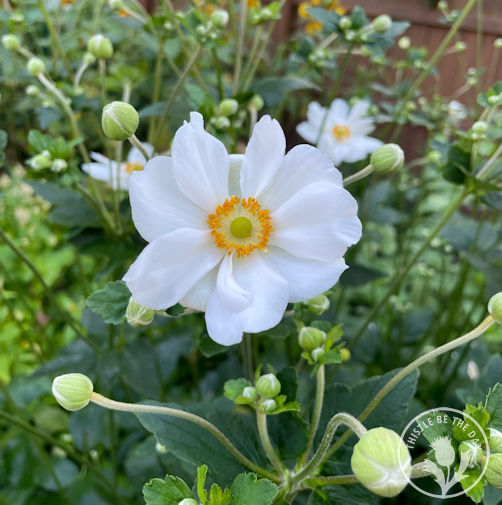
Japanese Anemone: These late-season bloomers provide a food source in the fall. Their open flowers are favored by pollinators and bumble bees especially seem to adore them.

Summersweet/Clethra: The nectar of this flowering shrub is very attractive to bees and other pollinators. It is one of the best plants for pollinators and mine is always covered in bees when it blooms. The sweet vanilla scent the flowers emit is a bonus for the gardener!
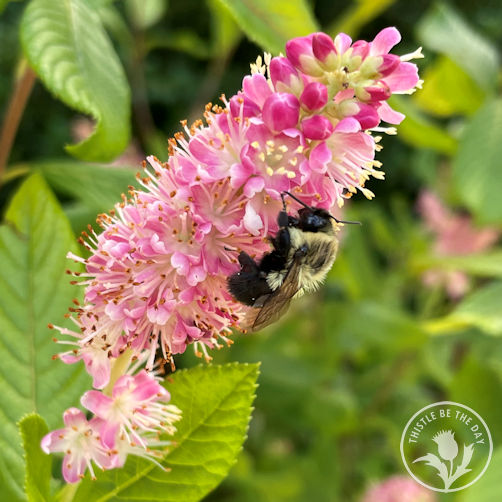
Other pollinator-friendly perennials include Blazing Star/Liatris, Bluebeard, Salvia, Culvers Root, Joe Pye Weed, Dianthus, Catmint, and Mountain Mint. Beware that plants in the mint family can spread rapidly and may need to be contained.
I hope you find this list helpful and consider adding pollinator-friendly perennials to your garden. Pollinators will undoubtedly appreciate the habitat and food sources that you provide, and you will appreciate the plants that attract these beneficial insects to your garden. I’m sure I have inadvertently missed a few varieties, so if you have pollinator-friendly perennials you grow in your garden that I didn’t mention, please let me know in the comments. Happy planting, and thank you for supporting pollinators!
 THISTLE BE THE DAY
I love your pictures I am trying to plant more natives also. Your coneflower looks like mine, all come and less petals. Did you know there is a mite that does that?
LikeLiked by 1 person
Thank you! Yes, unfortunately, I have since removed the coneflower plant in the picture because it had aster yellows, caused by a phytoplasma. I hope to plant a new one this season.
LikeLike