
Things have finally started to wind down on the farm, and I am ready to dive into the planning phase of farming. The off-season months of winter are a time to look toward the next growing season and dream of all the possibilities. While the farm enjoys its winter slumber, I will be tucked indoors, nice and cozy, working on seed inventory and ordering, bed planning, and administrative duties such as updating our website and planning our flower shares and workshops. I will also take this time to catch up on educational opportunities such as cut flower webinars and pouring over all the flower farming books I have stashed in my office over the summer. The first seeds will be started in January, marking the beginning of the 2025 season. Even though the farm is sleeping, much must be done!

But before we start focusing on the season to come, I wanted to give you a recap of what we’ve been up to over the past month while we prepared to put the farm to bed.
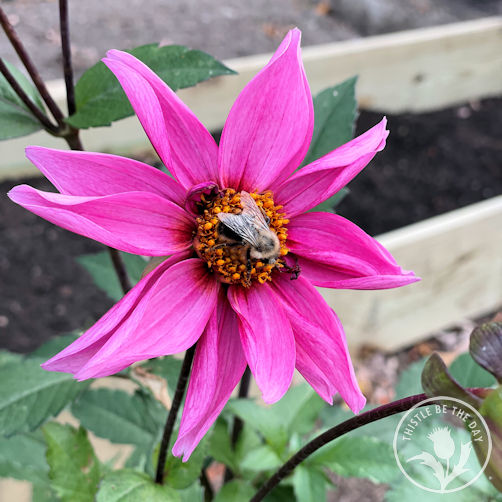
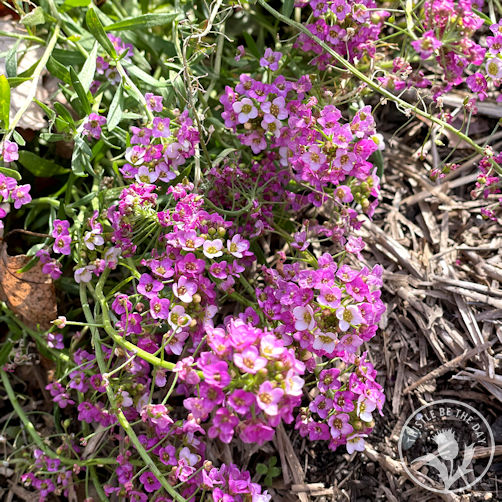
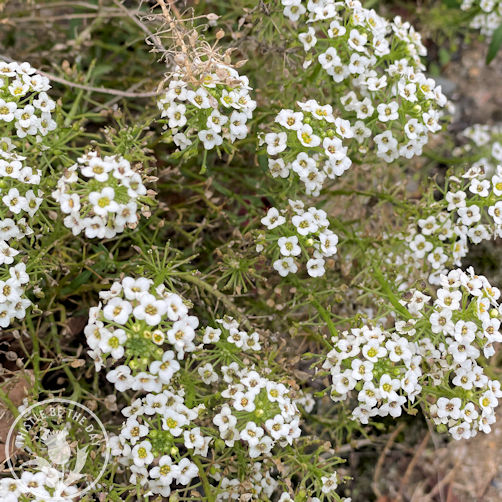
Saying Goodbye to the Flowers: The dahlias and heirloom chrysanthemums were still blooming in early November. We continued to harvest flowers (and carrots!) in those early days, but by the second week of the month, a killing frost brought a definitive end to our fresh flower season. After the frost, it was heartbreaking to see the bees return to the flower patch, which had been a food source the previous day but was no longer there. However, the hardy sweet alyssum still blooms as I write this and provides late-season nectar for the pollinators when all the other flowers are gone. We use these lovely plants as “living mulch” in our beds underneath our cut flowers. They help suppress weeds, retain moisture at the roots of our flowers, and aid in keeping our soil in place. Best of all, they feed the pollinator population all season long. After the frost, I made sure to enjoy that last vase of fresh flowers in my home to the fullest!




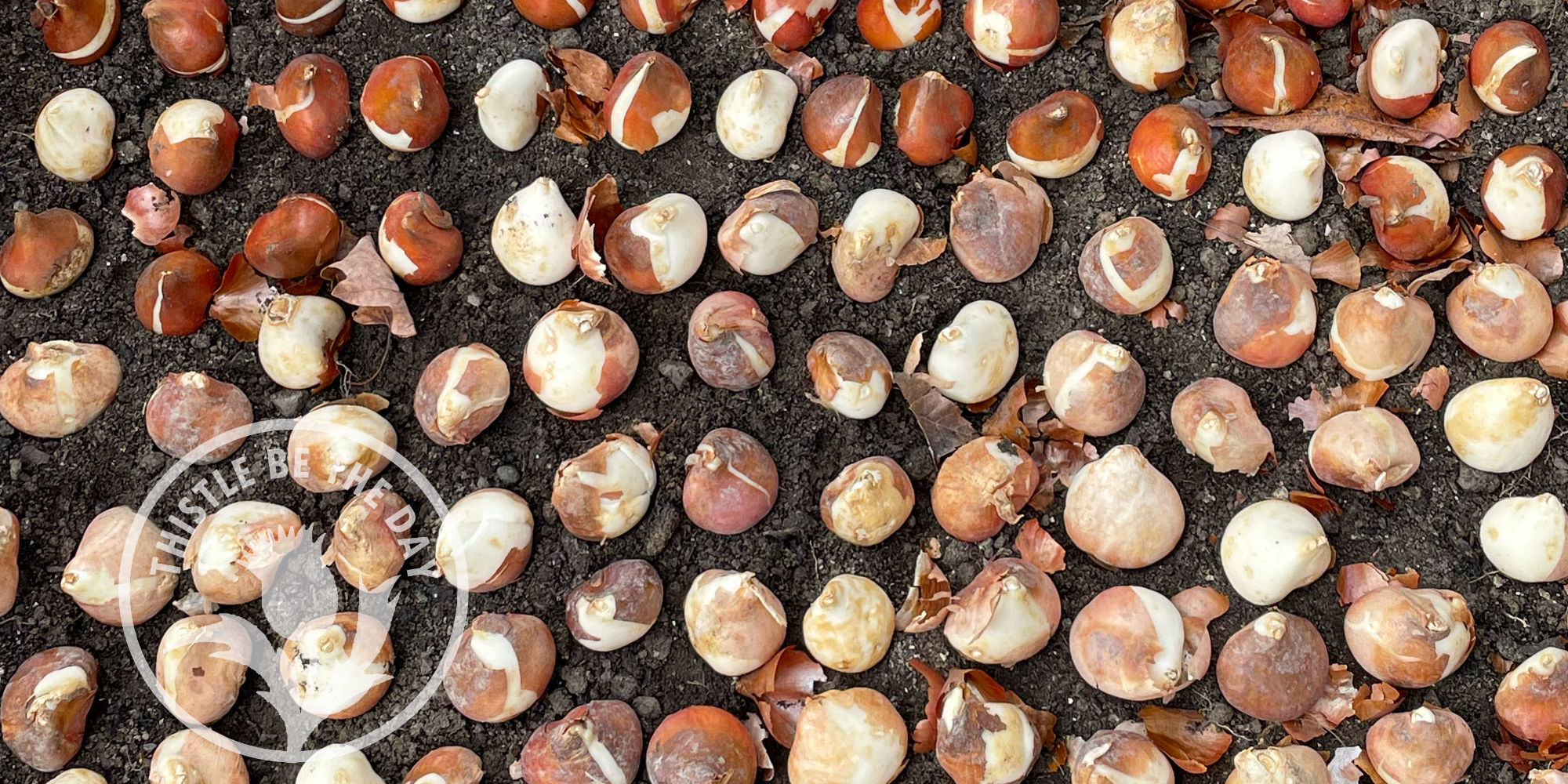
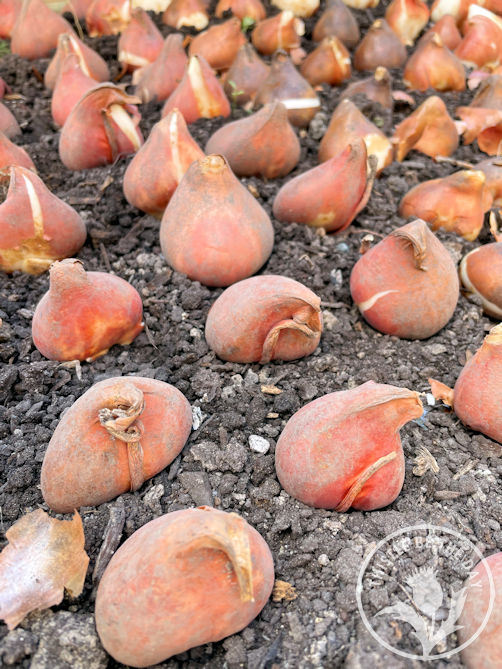
A Time for Planting: Once the flowers were gone, we turned our attention to other fall farm chores. We planted thousands of spring flowering bulbs, such as specialty tulips, heirloom narcissus, Spanish bluebells, hyacinths, fritillaria, and allium. This year, we built raised beds for our tulips and narcissus, which made planting much more manageable. On cut flower farms, we treat our tulips as annuals and replant them each season. When harvesting, plants are pulled up with the bulb intact. This method ensures the highest quality flowers, lengthens storage times and provides long, beautiful stems. We lovingly placed our tulip bulbs into the soil one by one in an egg-crate-like pattern, watered, and covered them with soil. We can’t wait to see them bloom in the spring!
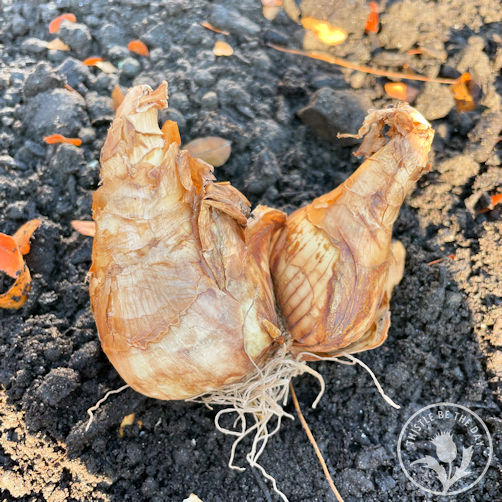

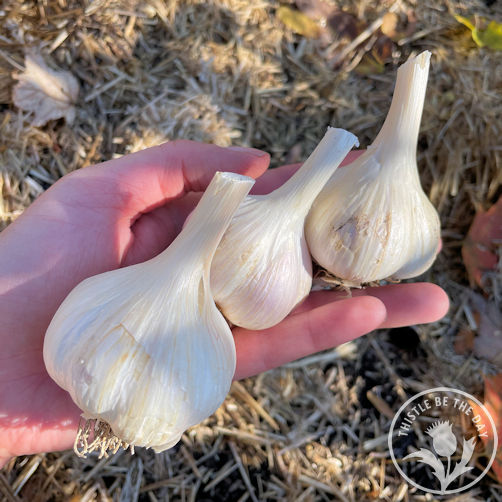
Our homegrown garlic was also planted this month. We’ve been growing, saving, and replanting our garlic for over ten years here on our property. I always look forward to seeing them emerge in the spring and eating the scapes and cloves during the season.
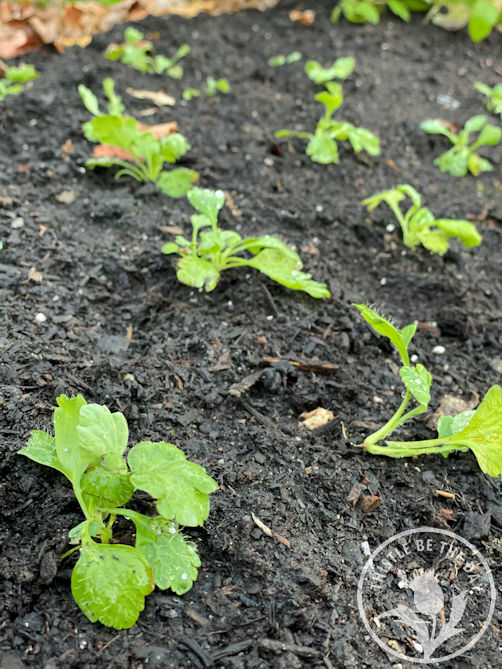
Besides bulbs, we planted some hardy annuals and perennials by the first week of November. Iceland Hummingbird poppies, Skyler veronica, and several new varieties of bearded iris were all tucked into the soil. I’m excited to add these flowers to the farm and look forward to their blooms next season.
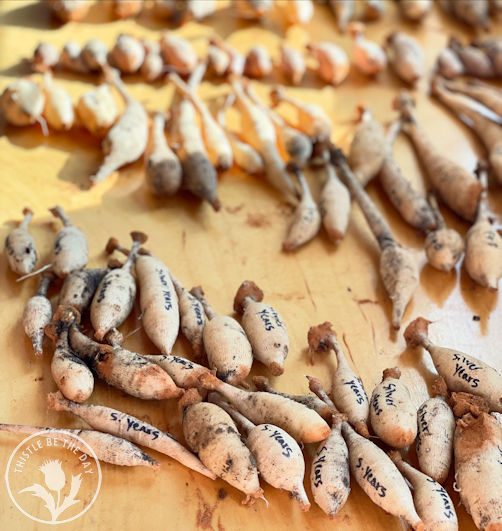
Several weeks after the killing frost, we focused on digging, dividing, and storing all of our dahlia tubers. This is always a daunting task at the end of the season when we are already physically exhausted, but it is such a relief when the task is complete.
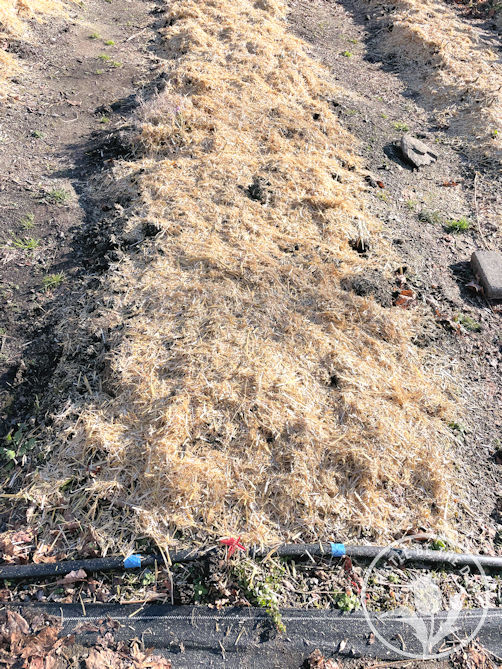
Putting the Farm to Bed: With all the bulbs, rhizomes, and seedlings planted and the dahlia tubers safely stored, it was time for the final steps to put the farm to bed. All irrigation hoses must be drained and stored to prevent freezing and cracking. We hauled and spread nearly 2500 pounds of compost by hand onto the beds and then covered them with high-grade shredded straw. Throughout the winter, the microorganisms in the soil will break the compost and straw down, adding nutrients to the soil. The straw also covers the soil to protect it from erosion. Any straw that hasn’t been broken down and decomposed in the spring is used in the pathways to suppress weeds.

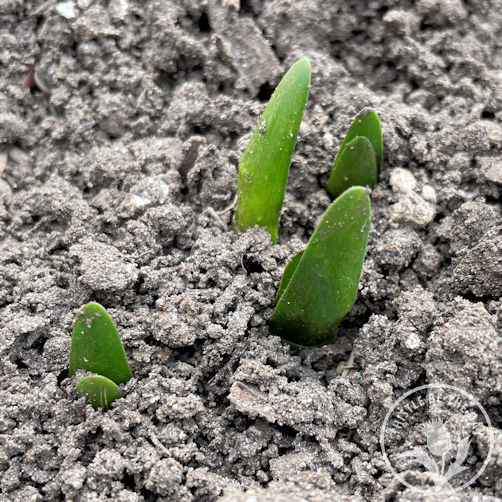
Mild temperatures in November made these tasks more enjoyable but reminded me of the effects of climate change. Confused by the mild weather, some of our narcissus have already started to emerge from the soil, way ahead of schedule. And while a welcomed rain fell in late November, it did little to mitigate the months-long drought conditions.

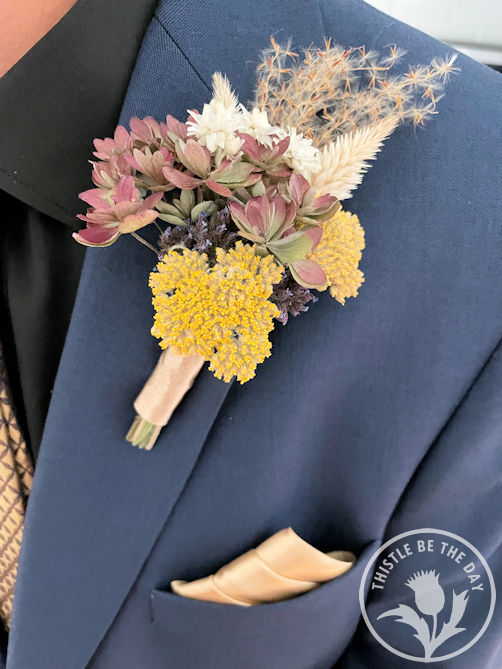
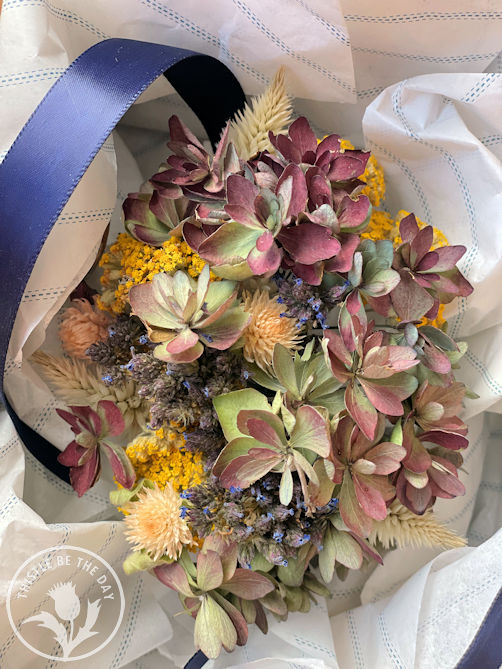
Crafting with Dried Flowers: Once all the farm chores were complete and the beds were prepared for their winter nap, I focused on creating with the flowers I had dried all season. In early November, I experimented with making my first boutonniere and wrist corsage for my son and his date for a Homecoming Dance. I’m not an experienced florist and don’t plan on becoming one anytime soon, but it was fun to experiment, and I was happy with the result.
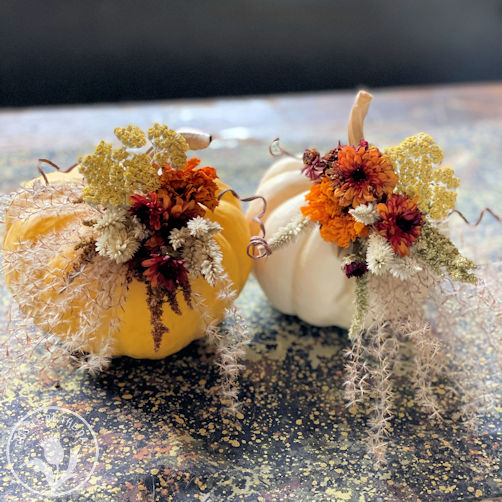
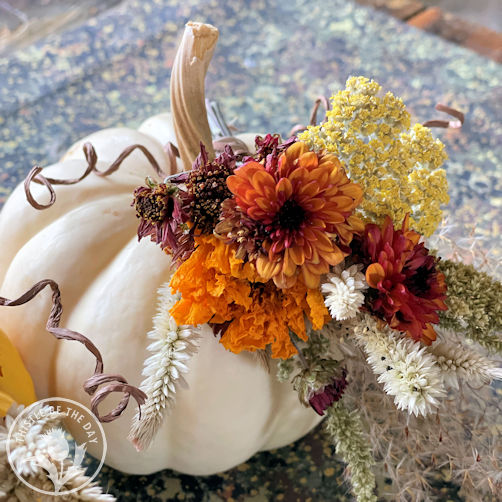
We opened our Fall Shop by mid-November with our dried flower mini pumpkins. I enjoyed crafting and sharing these adorably festive pumpkins with our community. It was lovely receiving pictures of them decorating Thanksgiving tables and hearing about how they spread joy. I’m happy that flowers from our farm played a part in many celebrations.

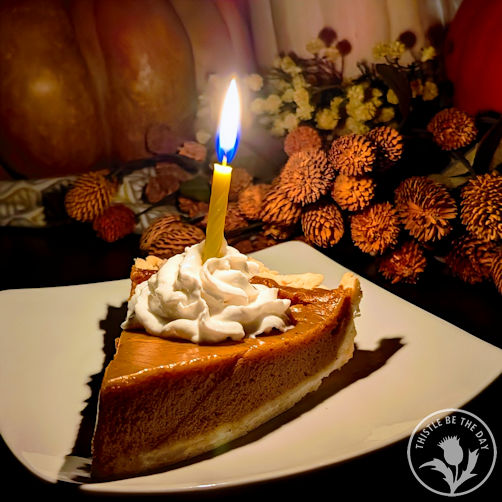
Speaking of Thanksgiving, I was lucky to have my birthday fall on Thanksgiving this year. Who wouldn’t want pumpkin pie as a birthday dessert?! I spent the day celebrating and being grateful for all the good in my life. I’m very thankful to all of you who took the time to read Thistle Be the Day and for all the comments and encouragement you’ve shared over the years. Thank you for being here; it means a lot to me.

As the Thanksgiving holiday wrapped up, I returned to my floral studio and started crafting for our Holiday Shop. I crafted Festive Jingle Bells, Confetti Ornaments, and Mini Wreath Ornaments using our dried flowers and fresh greens. I look forward to sharing these with our community and having a piece of our farm bring joy to others during the holiday season.

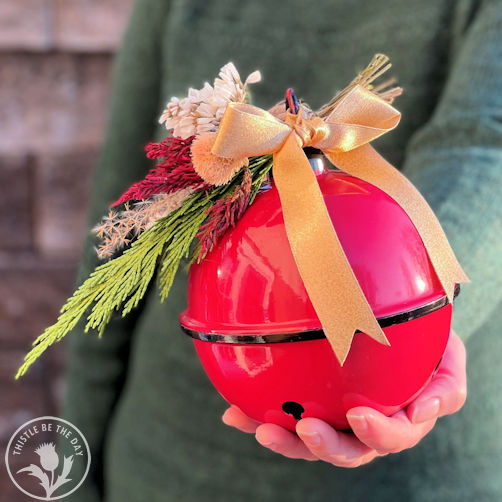
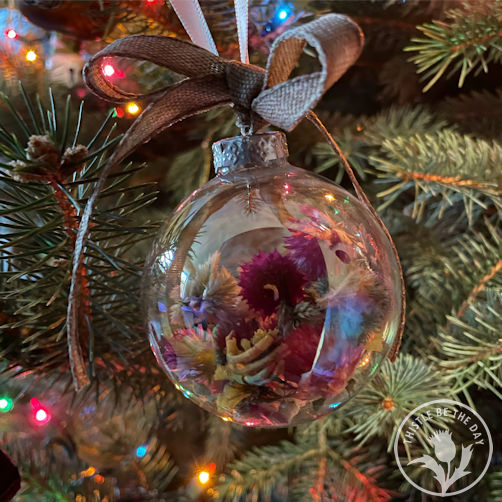
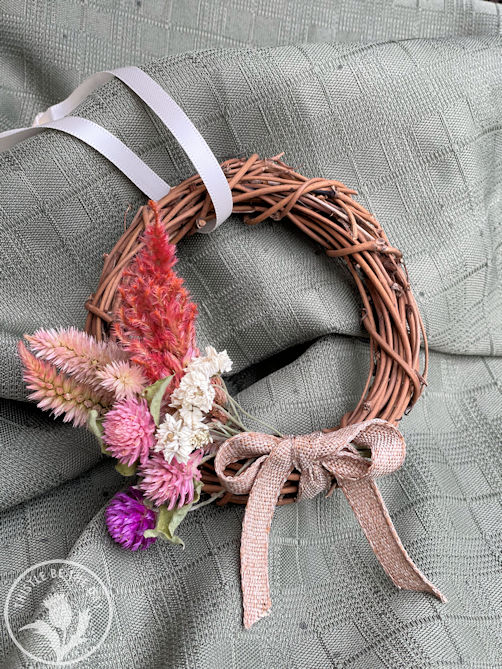
After our Holiday Shop closes, I will hibernate and jump into the farm planning phase. I look forward to dreaming of the coming season and visualizing all the beauty and joy we will spread through our flowers in 2025. That’s what’s been growing on in our garden; what’s been growing on in yours?
 THISTLE BE THE DAY
Them bulbs look ready to plant 😉
LikeLiked by 1 person
Yes! I’m glad I got them in the ground and I’m looking forward to seeing them bloom in the spring.
LikeLiked by 1 person
I eradicated all my canna lilies this year. to much work for this old man

LikeLiked by 1 person
Your canna lilies were beautiful! I can certainly understand scaling back, some plants are very labor intensive. 🙂
LikeLiked by 1 person