
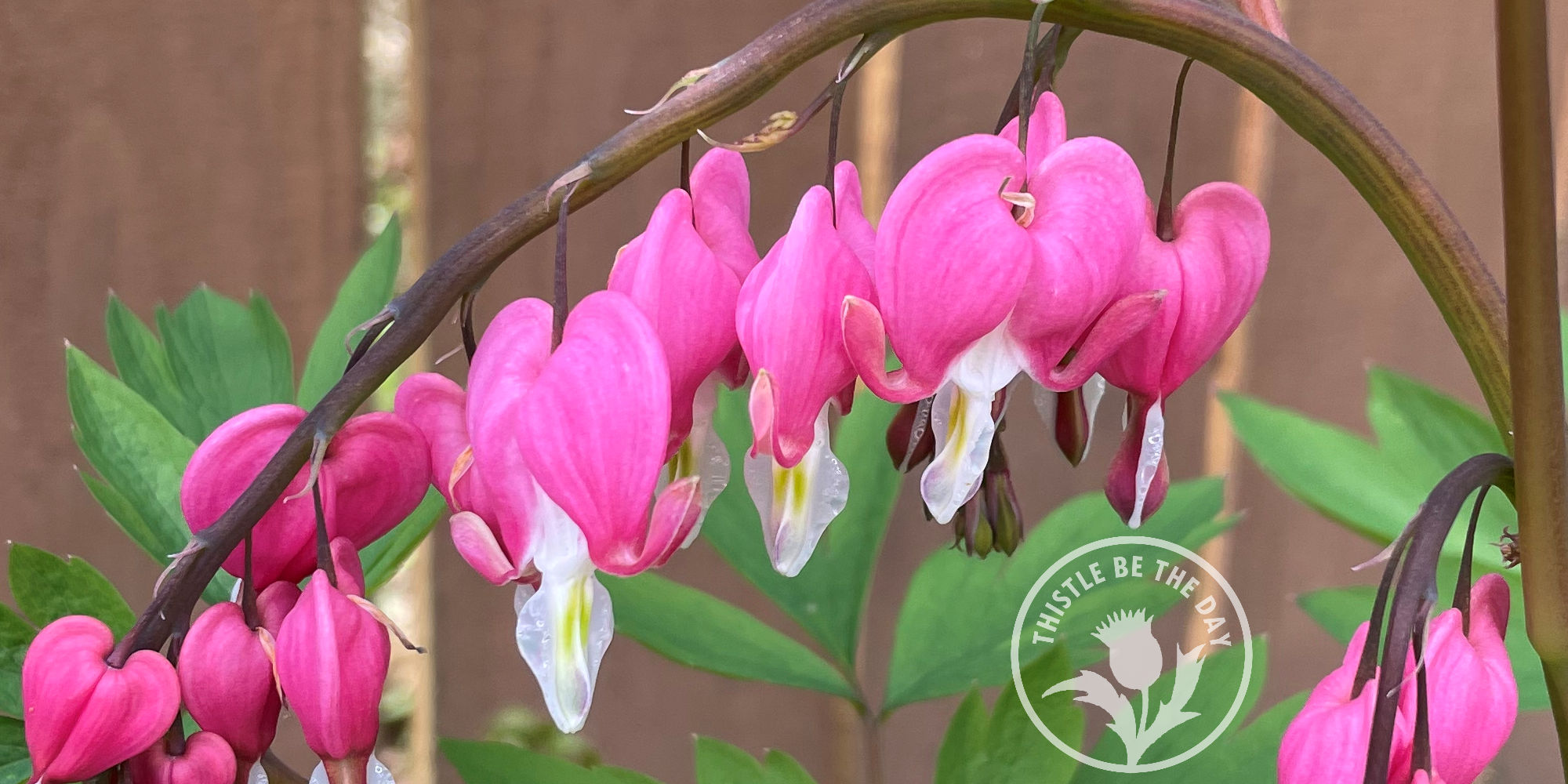
Happy Valentine’s Day, Saint Valentine’s Day, or the Feast of Saint Valentine, whichever you prefer! Originating as a day to honor a martyr named Valentine, Valentine’s Day has become a commercial, religious, and cultural day to celebrate love and romance. Chocolates, plush animals, and, of course, flowers have become popular gifts to give loved ones on this holiday to let them know you care. Two years ago, I wrote a blog post about the real cost of those Valentine’s Day roses that are so popular, and you can read about that here. But today, I thought I would put a plant back in the spotlight since it’s been a while, and I couldn’t think of a more appropriate plant to spotlight on Valentine’s Day than a Bleeding Heart.

Bleeding Heart (Lamprocapnos spectabilis, formerly Dicentra spectabilis) is native to Asia and is found growing in Northeast China, Siberia, Japan, and Russia. This plant has many common names besides Bleeding Heart, including heart flower, lyre flower, and my personal favorite, lady-in-a-bath or our-lady-in-a-boat. The common names bleeding heart and heart flower originated from the flower shape resembling a heart, and I’m assuming the name lyre flower came from the bloom resembling the instrument’s shape. But lady-in-a-bath? Well, it turns out that when you turn the flower upside down and pull apart the pink outer petals slightly, the two inner white petals do resemble a lady in a bath or boat!
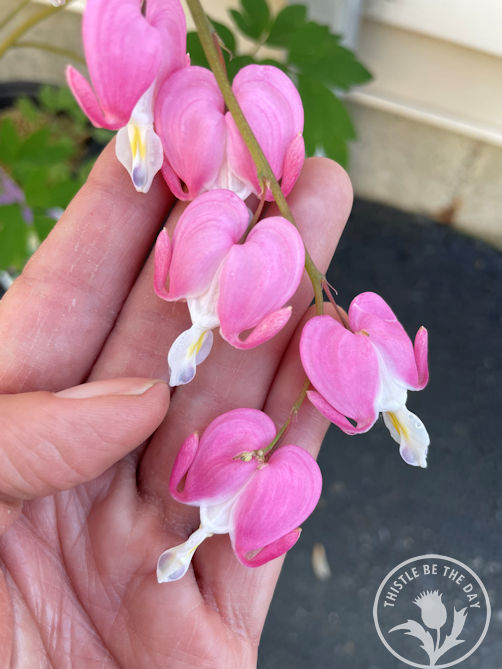
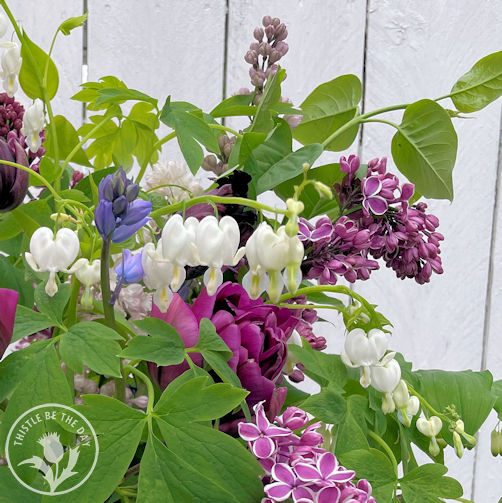
Regardless of the name you choose to call them, these beautiful plants are valued in woodland gardens and floristry for their heart-shaped flowers, which bloom in spring. These shade-loving perennials send up beautiful arching stems lined with delicate flowers. They are stunning in arrangements next to other spring favorites, such as lilacs and tulips, adding a touch of romantic whimsy. A relative of the poppy, Bleeding Hearts can be toxic to pets and humans, so as with most cut flowers, caution should be taken to ensure they are not ingested.
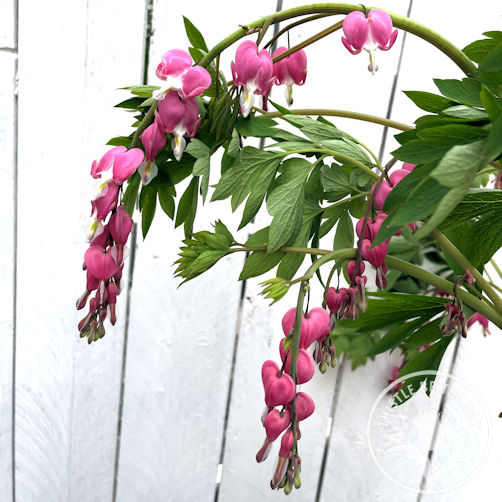
Plants can reach up to three feet at maturity and stay in bloom for several weeks in the spring. They prefer moist, rich, well-draining, acidic to neutral soil in partial shade and are hardy in USDA Hardiness Zones 3-9. Plants appreciate protection from both wind and sun, making them an ideal addition to woodland gardens. Bleeding Hearts do not tolerate heat well and will go dormant during summer. If planted in full sun, the plant may go dormant early and fail to send up flowers. These plants can behave as a spring ephemeral, having a short period of active growth only during favorable conditions. Plants in this category emerge quickly in the spring, bloom, and then the leaves wither, dying back to just their underground structures for the remainder of the year. Bulbs such as tulips, daffodils, and hyacinths are also spring ephemeral. Allowing the plant to die back naturally is best, but you can prune any remaining foliage about 1-2 inches above ground level right before winter. A layer of mulch can be added for winter protection and be removed when these beautiful perennial plants reemerge in the spring.
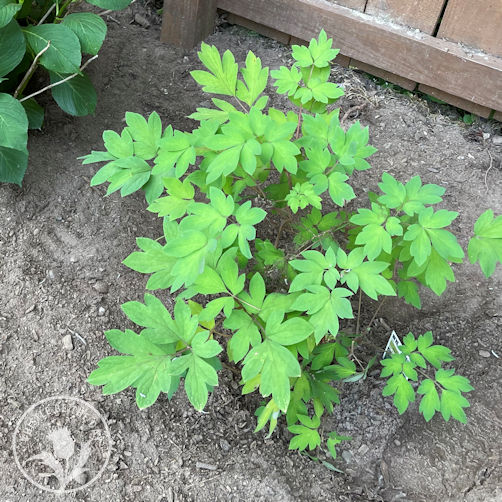

Depending on the variety, Bleeding Heart flowers are either pink or white. The leaves are typically green or burgundy, but some introduced cultivars have gold or chartreuse foliage. These plants are relatively pest—and disease-free, although slugs, snails, powdery mildew, and leaf spot can occasionally be an issue. Make sure to allow adequate spacing between plants for airflow, as crowded plants are more prone to disease, and crowding may also decrease blooming.
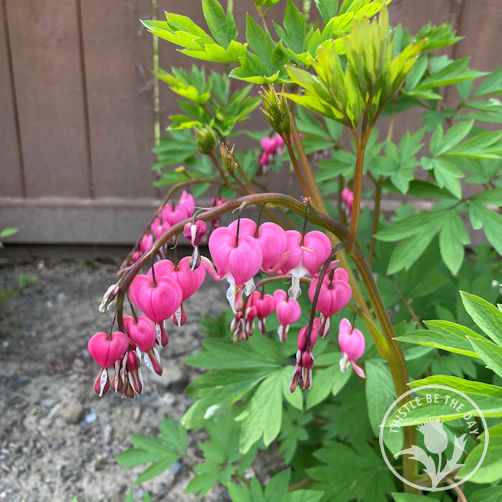


I started growing Bleeding Heart plants in 2023 when I added a shade garden on the farm. I had always loved the beautiful plants, with their whimsical heart-shaped blooms, and was excited to grow them finally. I was not disappointed when they sent up their first flowers in all their heart-shaped glory! We grow both the pink and white cultivars here on the farm, and I am itching to add one of the chartreuse foliage varieties in the near future. I know if I see one at the nursery this year, I won’t be able to resist! I love adding these beautiful blooms to bouquets and arrangements, and they usually bloom here just in time for Mother’s Day. The pink flowering varieties add a lovely pop of color, and the white blooms are classic and elegant.
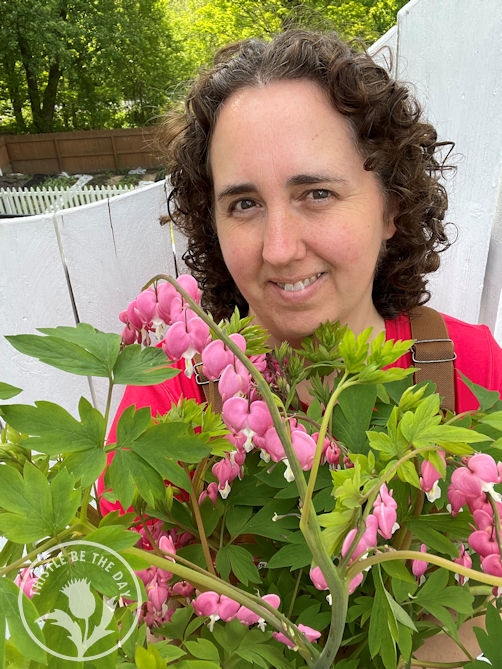
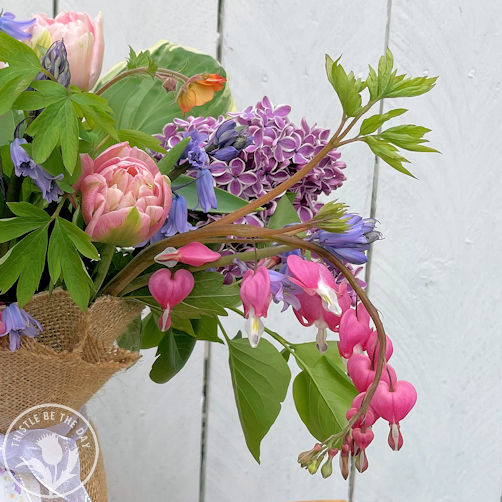
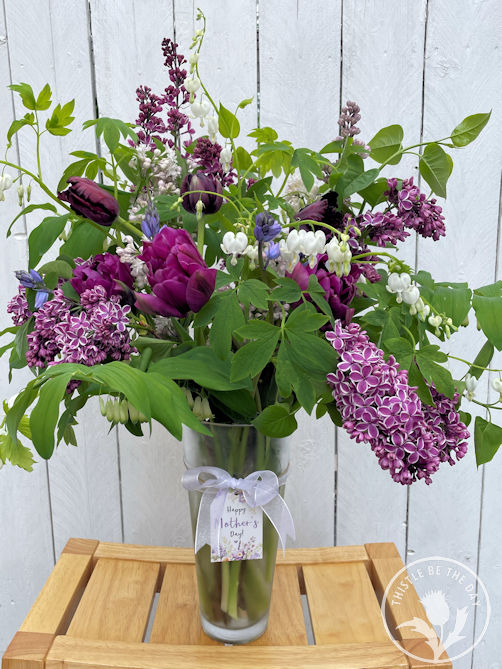
If you have a partially shady spot in your landscape and are looking for a beautiful, relatively maintenance-free perennial, I highly recommend trying Bleeding Heart. These plants will fill your garden and vase with gorgeous heart-shaped blooms you can’t help but love.
 THISTLE BE THE DAY