
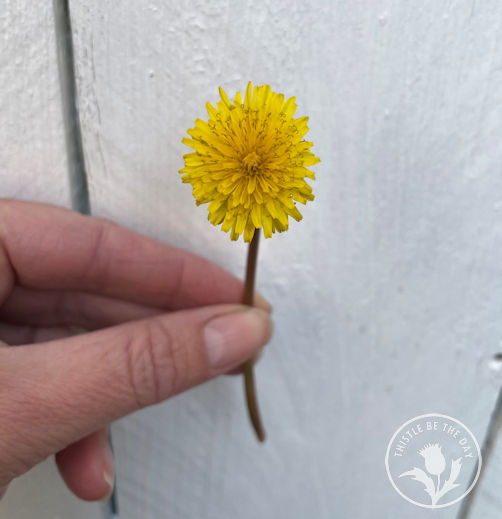
Ever since I was a little girl picking dandelion bouquets for my grandmother, I’ve had an affinity for flowers. But it wasn’t until later in life that I embraced this passion by starting a flower farm. I love providing sustainably grown flowers and blueberries to my community and creating a farm that nurtures plants, pollinators, and people by spreading kindness and joy through flowers.
When I began growing cut flowers a few years ago, I also started growing dahlias and, on a whim, began pursuing my interest in dahlia hybridization. I received a free packet of dahlia seeds from Floret with the order of Erin Benzakein’s book Discovering Dahlias. Little did I know then that the seeds in this packet would spark a years-long journey into dahlia hybridization.
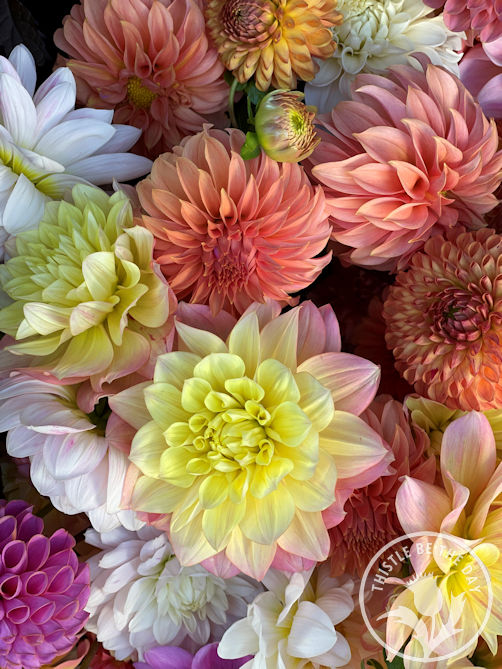
I planted about ten dahlia seedlings from the free Floret seeds in the first year. I waited anxiously for the flowers to bloom to see what new dahlia treasures I was growing. When they finally did bloom, I was surprised by the shape and color differences. Some were wild and wonky, with multiple-colored petals; others had interesting petal shapes but ho-hum coloration, but they all had open centers, and the pollinators loved them. At the time, being my first year growing dahlias, I had no idea what to look for when hybridizing. I just thought all the seedlings were interesting and unique and that they provided food for our pollinators.
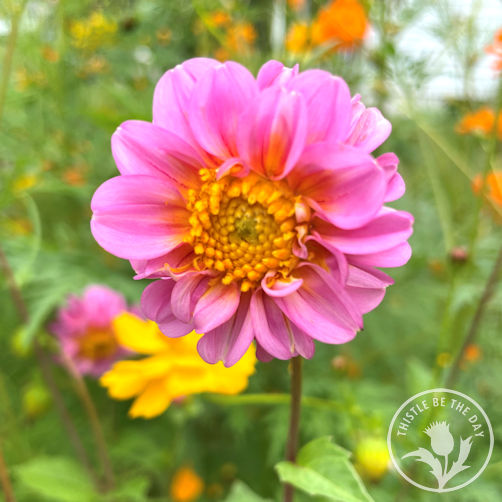

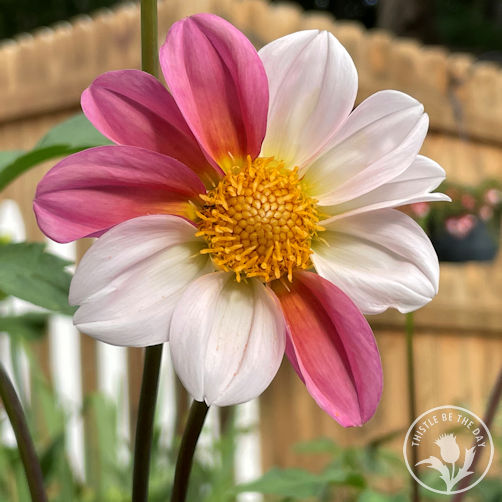
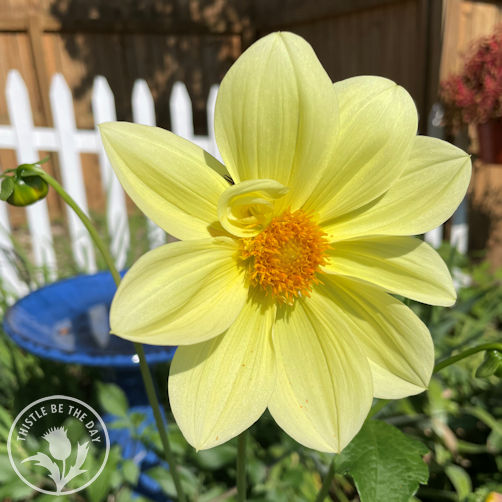
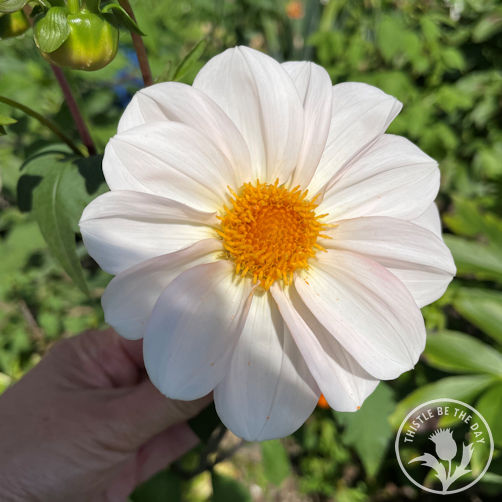
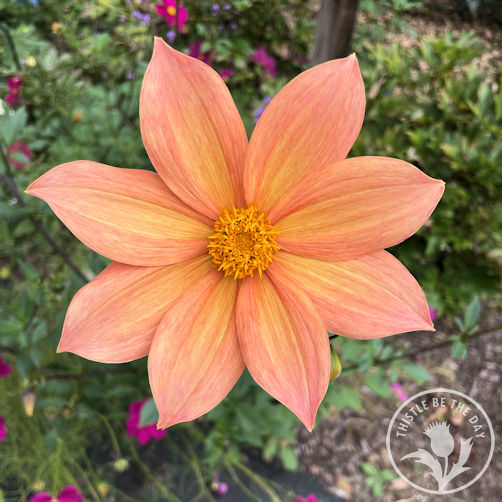
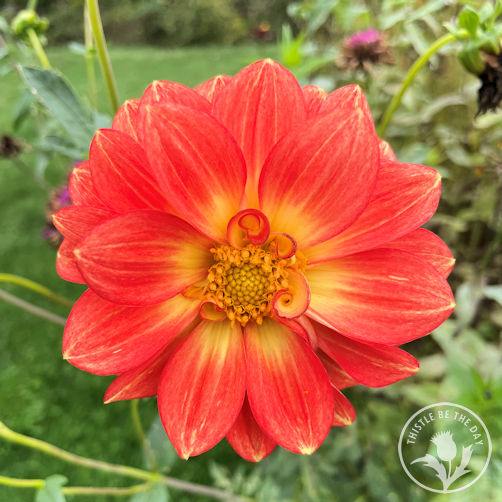
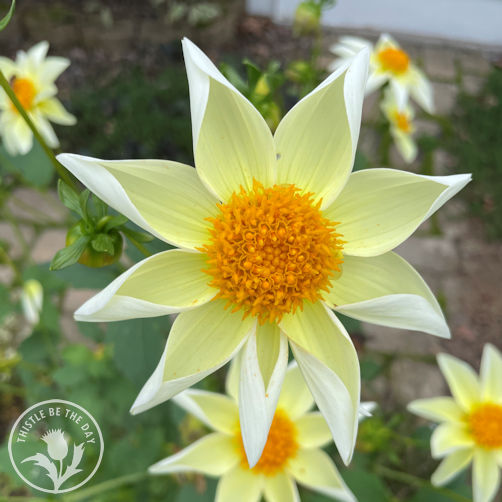
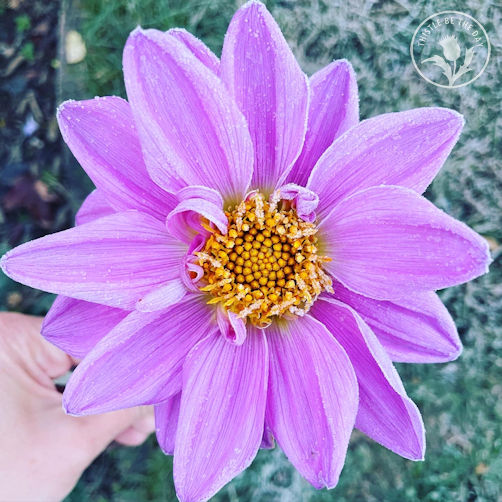
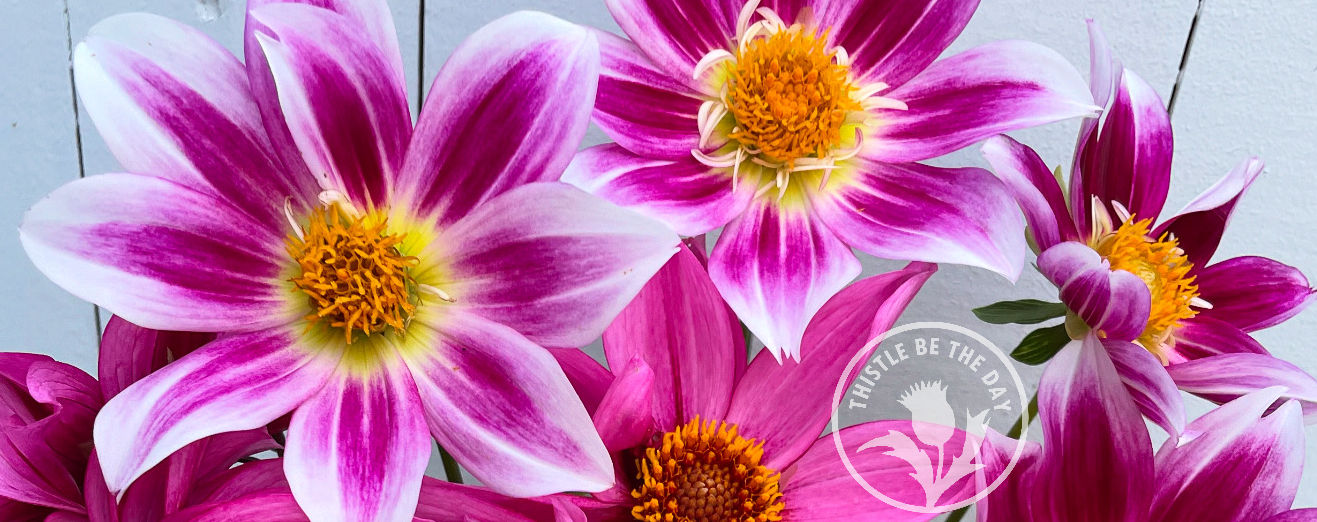
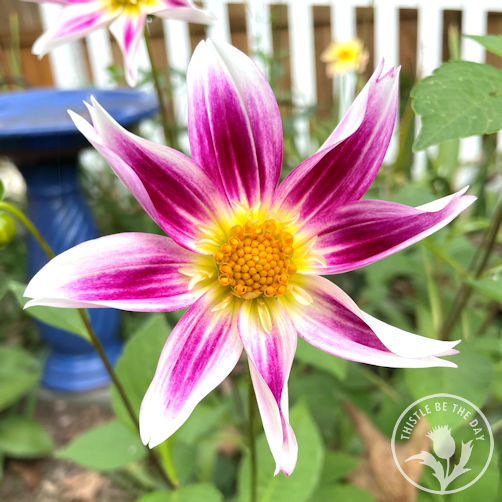
One of those ten seedlings stood out to me more than the rest. When I first saw this dahlia seedling growing on the farm, its magenta petal coloration radiating from its yellow center reminded me of a sunrise. Each petal looked like it was painted in watercolor. Despite no hybridizing experience, I knew it was unique and that I needed to become its steward, saving and growing it from season to season. I decided to name this dahlia Dawn’s Early Light because of how much it reminded me of a sunrise, and of course, my name is Dawn, so it seemed doubly appropriate!
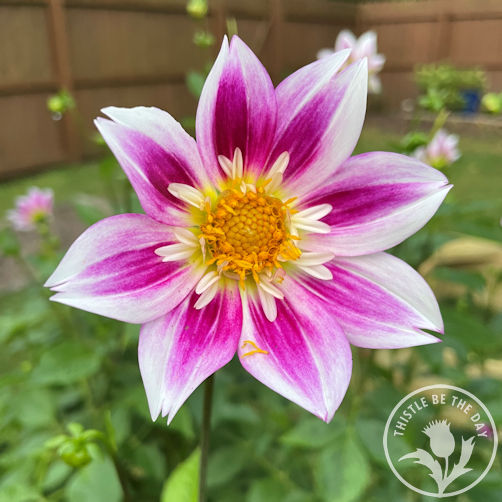
I learned that dahlias must be saved and grown for at least three years to ensure their stability and desirable traits. I saved several seedlings from that first year, but the only one that remained stable in year two was Dawn’s Early Light. The others fed our pollinators for the season but were unceremoniously cut from our breeding project.
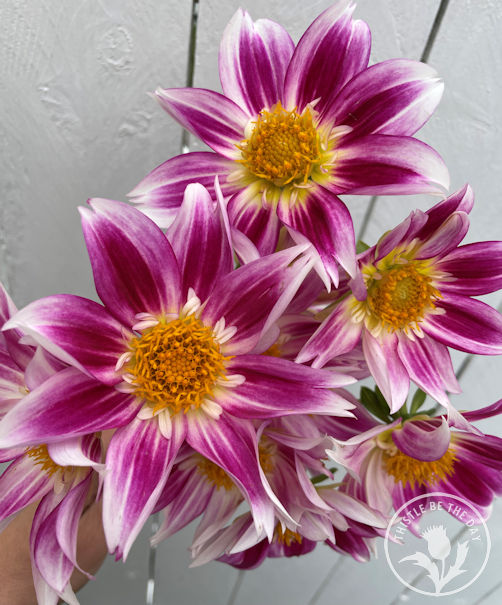

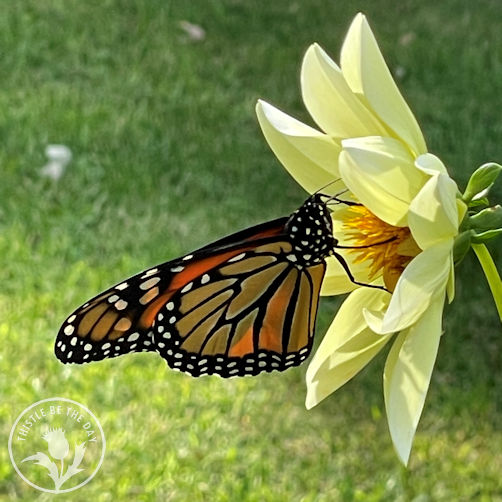
Since starting this project on a whim nearly five years ago, I have learned that there are many traits that hybridizers should look for when evaluating their seedlings. A flower “looking pretty” really isn’t enough to determine that it’s a keeper. Factors such as bloom position and attachment, stem strength and length, plant habit and vigor, tuber health, production and storage, and flower vase life are some considerations that must be made when evaluating seedlings. As much as it may sometimes break our hearts, it is essential to any breeding program that the flowers grown meet specific standards. Luckily, while initially, the blooms of Dawn’s Early Light deemed her a keeper for me, she has exceeded my expectations in these other criteria. She is a hardy, vigorous, prolific bloomer, and her tubers store well. And despite being an open-centered flower, the petal attachment, bloom angle, and vase life are impressive. The most endearing trait for me is that she is a pollinator magnet. It seems that they love her just as much as I do!
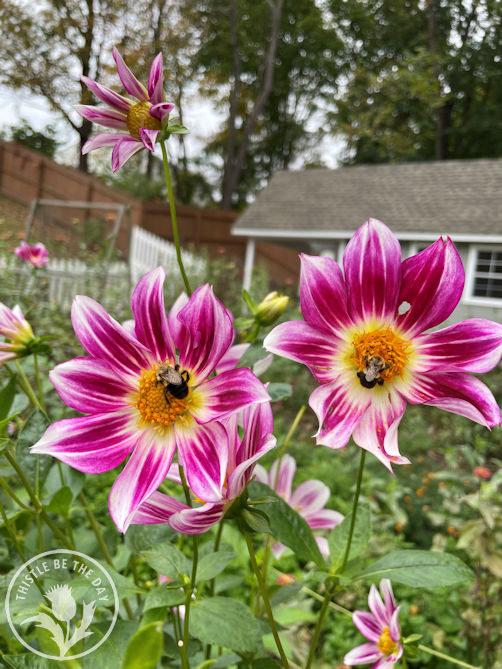
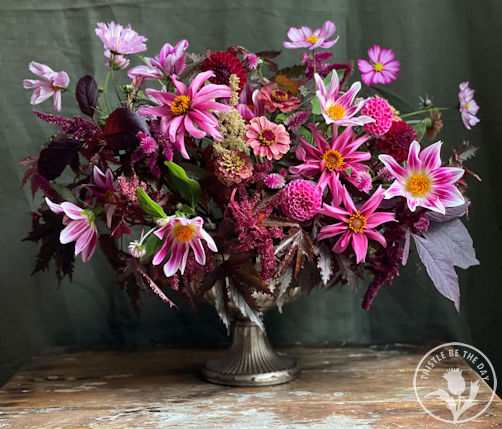
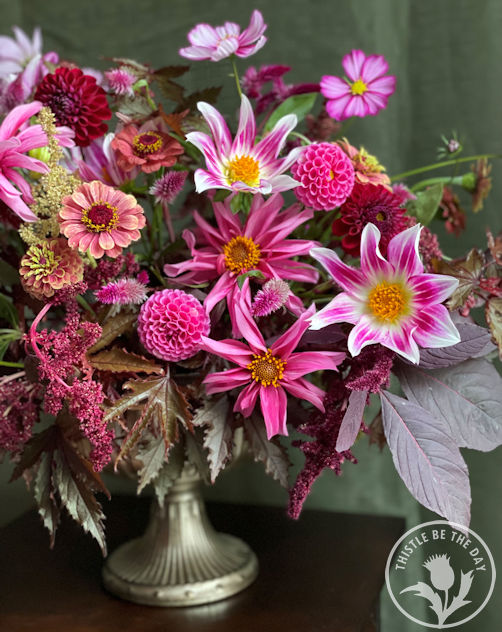
Since that first planting five years ago, I have worked with new seedlings in our dahlia breeding program each season. I am thrilled that Dawn’s Early Light inspired my interest in hybridizing dahlias. In keeping with my mission to support pollinator populations, the dahlias I’m hybridizing are bred with pollinators in mind. I’m working to hybridize dahlias that feed pollinators and can be enjoyed both in the garden and in a vase.
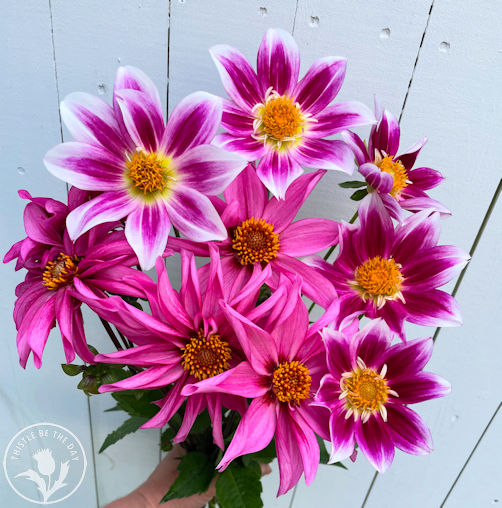
In working with my seedlings over the years, I never thought that one day, I would want to share them with other gardeners across the country. I enjoyed learning about the process and loved having these unique seedlings growing on our farm. It always amazed me that these flowers were unique and only existed here. But, in December of 2023, I learned of a new program called the Novice Hybridizer Program through Triple Wren Farms. This program helps novice hybridizers (like me!) bring their unavailable or obscure varieties to market so that more gardeners can enjoy growing them. I was intrigued by the opportunity to learn more about dahlia hybridization and to have my dahlia seedling evaluated by dahlia experts, so I signed up for the program.
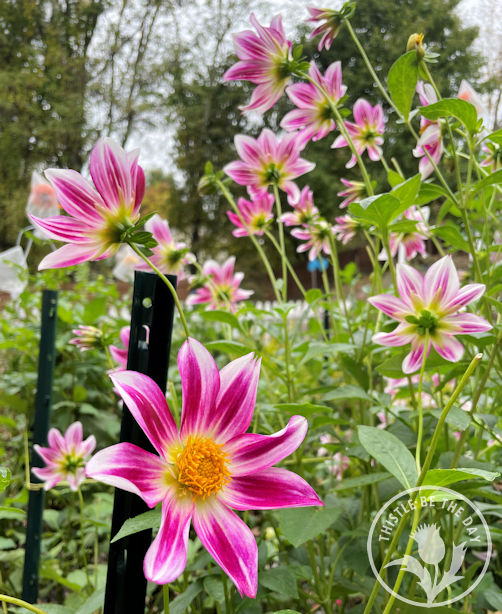
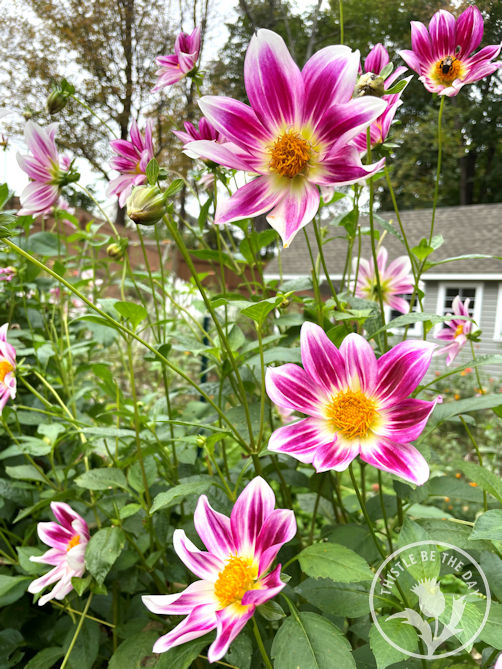
I was thrilled when our dahlia was selected to participate in the program, and in April of 2024, I sent four tubers to their farm in Washington. The team at Triple Wren Farms grew out and assessed our dahlia, sending us detailed reports throughout the 2024 growing season. It was incredible (and surreal!) seeing our dahlia being grown across the country when previously it had only existed here on our farm! We continued to grow our dahlia here in New York, keeping detailed notes throughout the season and sharing them with Triple Wren Farms. In December, we got our final evaluation notes, and we are happy to report that our seedling passed its evaluation with flying colors! The team at Triple Wren was impressed with our dahlia’s winsome nature, strong stems, bloom angle, petal attachment, and its benefits as a pollinator plant. The biggest compliment was when I was told they saw pollinators on our dahlia that they didn’t even know they had on their property.
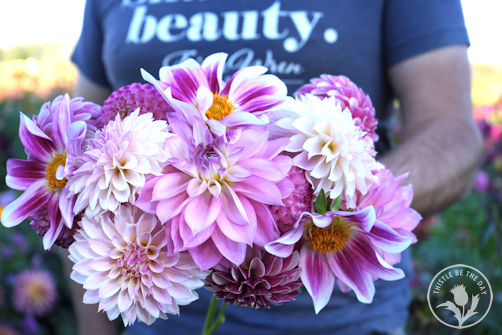
I was beaming with delight that they loved our dahlia, and I couldn’t believe it when they told me that they wanted to grow out and distribute Whistling Bee’s Dawn’s Early Light by selling its tubers and rooted cuttings in both the U.S. and Canada! This means that growers across North America can grow our dahlia in their gardens and farms in 2026! I never dreamed that a seed I planted five years ago would lead to this incredible opportunity.

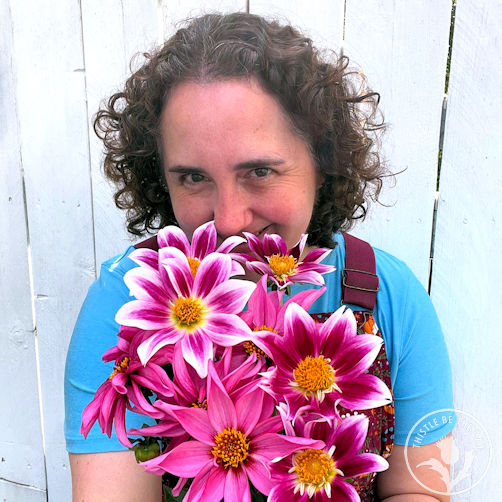
In September, I will travel to Triple Wren Farms in Washington to see our dahlia growing in their fields and meet other novice hybridizers in the program. I am incredibly grateful for this opportunity and still can’t believe it is happening. Sharing our dahlia with growers across North America is a dream come true. This experience has encouraged me to continue our dahlia hybridization project, and through my work with dahlias, I look forward to adding more beauty to the world through flowers.
Who knew that the little girl sharing dandelion bouquets with her grandmother would someday share a dahlia bouquet with the world?
 THISTLE BE THE DAY
Wow Dawn! Impressive! Congratulations on your success with the Dahlia.
LikeLiked by 1 person
Thank you so much! I’m really excited for this opportunity!
LikeLike
You go, Dawn! Very impressive.
LikeLiked by 1 person
Thank you so much!
LikeLike