
Did you know that one out of every three bites of food exists because of pollinators? Pollinators are essential to the planet and our survival. Why am I telling you this? Because I love pollinators! But also, because it’s Pollinator Week, a week dedicated to celebrating pollinators! Pollinator Week is celebrated annually and was initiated and managed by Pollinator Partnership. The goal is to raise awareness for pollinators and increase community involvement in protecting their health and creating pollinator habitats. In 2023, Pollinator Partnership is emphasizing the connection between climate and pollinators. Climate change affects pollinators’ ability to survive through habitat loss, an increase in disease, natural disasters, and rising temperatures. But everyone can aid their survival by creating and supporting healthy ecosystems in their backyards.
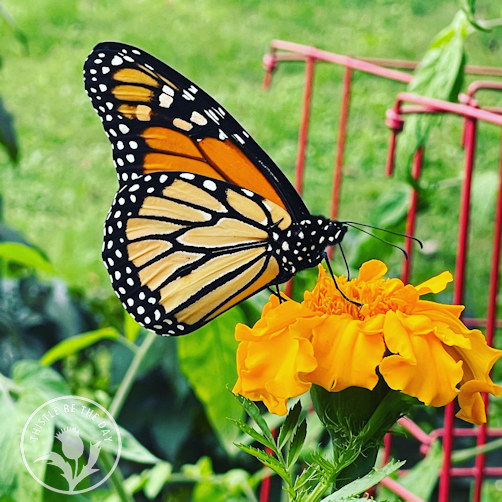
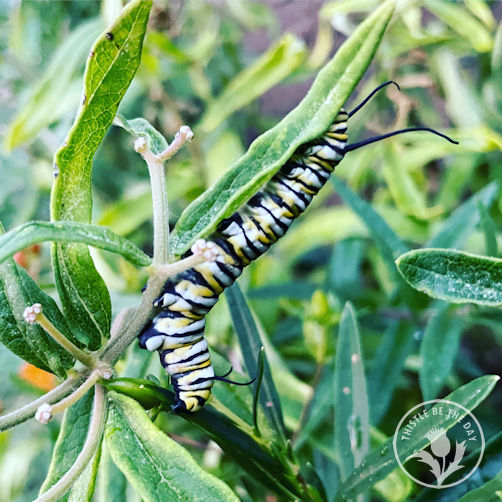
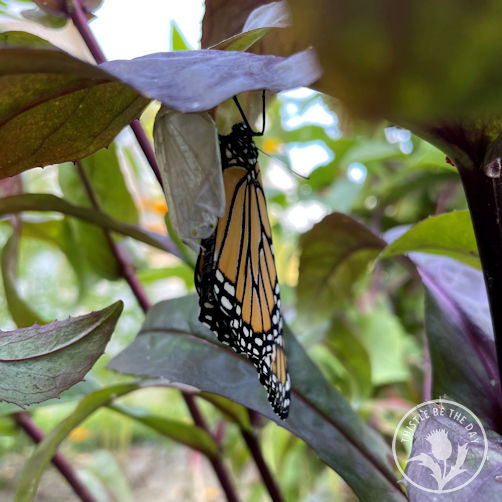
Several years ago, I did just that! I created a Pollinator Playground garden within my landscape to help the plight of pollinators. In addition to our cut flower beds, this dedicated garden was explicitly designed with pollinators in mind. In this garden, I included many pollinator-friendly plants emphasizing natives. Since creating the garden, I have enjoyed many pollinator visitors, including different species of bees, hummingbirds, and butterflies. Last year, I was treated to a front-row seat for the monarch butterfly’s life cycle. These endangered species visited the garden often, and the caterpillars feasted on the butterfly weed I had planted. Soon enough, I spotted a chrysalis and was eventually witness to the emergence of a new monarch. It was a wonderful experience, all made possible by planting a few pollinator-friendly plants in my landscape.
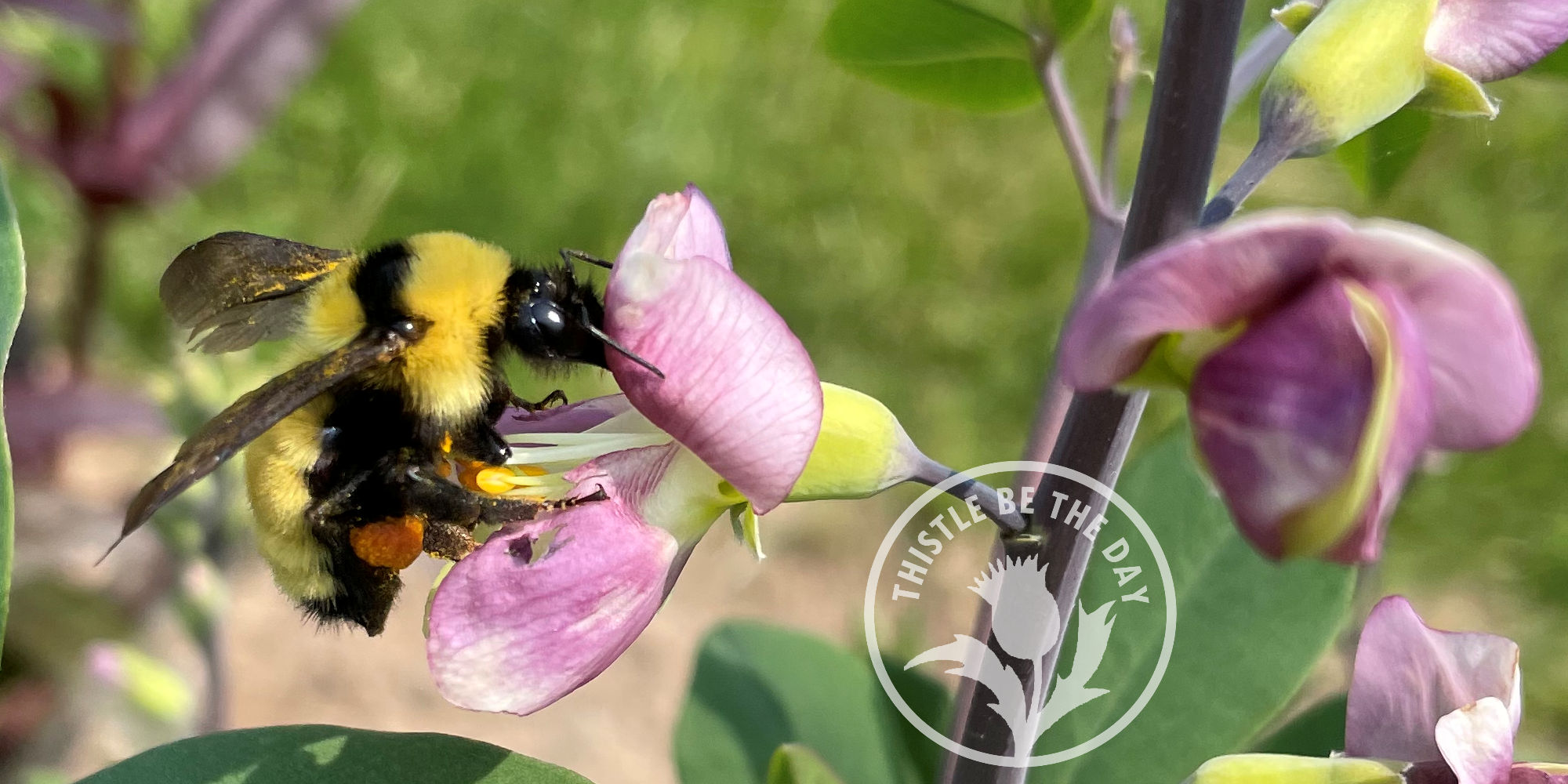
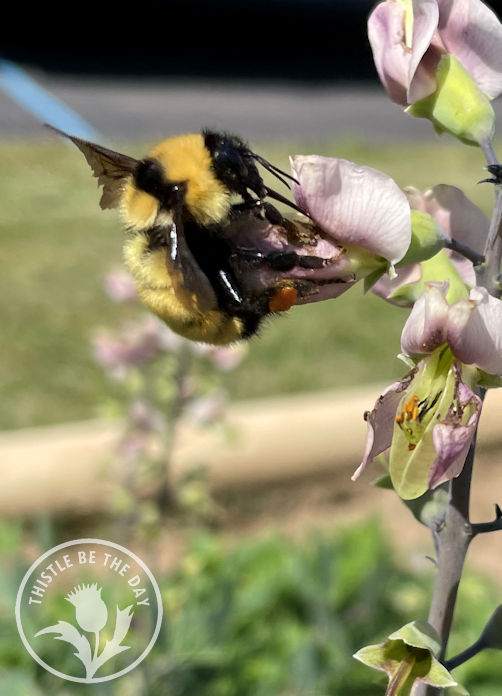
This year, I was also treated to a chance encounter with a rare bumblebee species. I spotted a golden northern bumblebee (Bombus fervidus) on two occasions. Also known as a yellow bumblebee, this species is native to North America, with populations concentrated in the Northeastern part of the United States. This species was first identified by Danish zoologist Johan Christian Fabricius in 1798. These bumblebees prefer tall grassland habitats but have learned to coexist in suburban and agricultural developments and farmland.
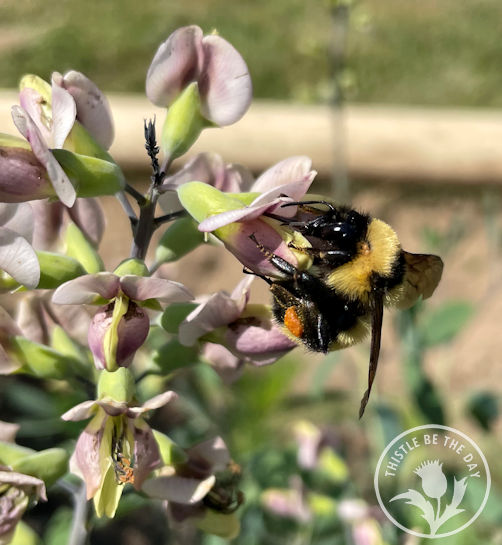
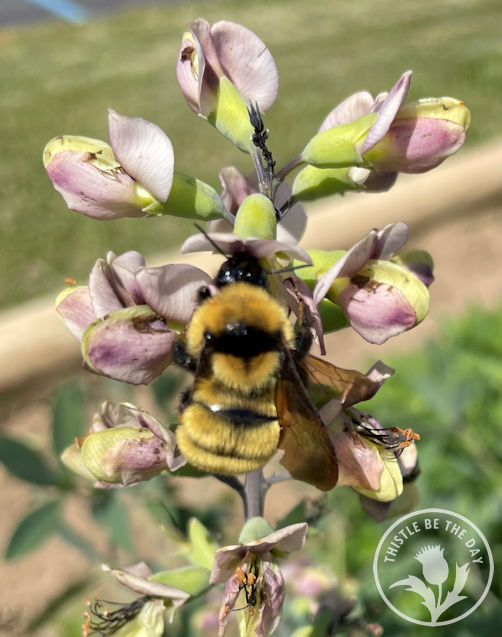
Golden northern bumblebees have a yellow coloration encompassing their abdomen and thorax and a distinct black band between their wings. Males have slightly smaller wingspans and more yellow on their abdomens than females. These bumblebees live in a colony and create nests out of grass alongside roadsides or in forests or grasslands.
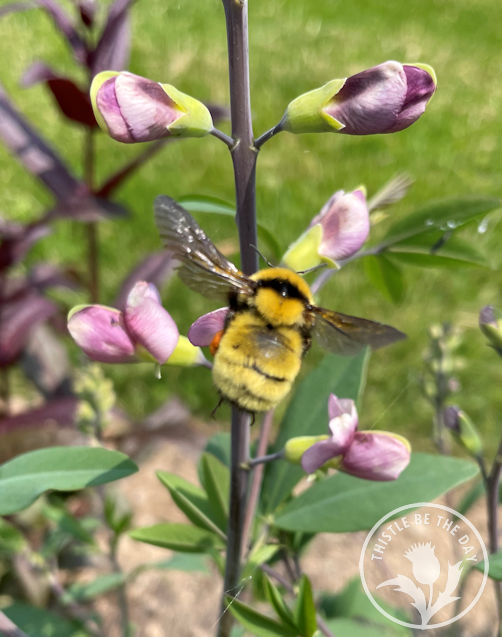
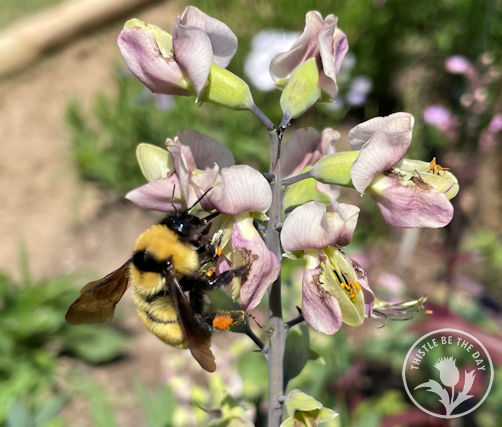
Golden northern bumblebees are excellent pollinators with exceptionally long tongues, which they use to extract nectar and pollen from flowers with longer, tubular shapes. They typically search for food in the hottest part of the day in the afternoon, visiting as many as forty-four flowers per minute. This abnormally rapid foraging pace can occasionally lead to exhaustion and even death. They are effective workers, but their quickness and long work hours can harm their health. This quickness was apparent as I watched one frantically forage, making it difficult to get a clear photograph. They don’t sit still for long!
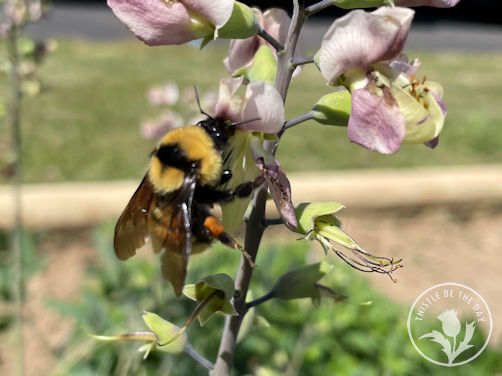
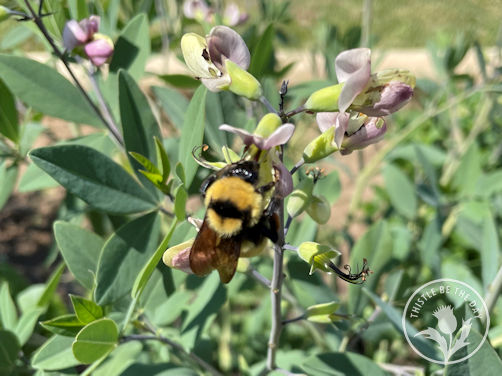
These bumblebees have an interesting strategy for nest protection. If an intruder comes too close to the nest, the bees cover the intruder with honey. They have also been known to defecate on an intruder or attacker. I will be giving these bumblebees plenty of space.
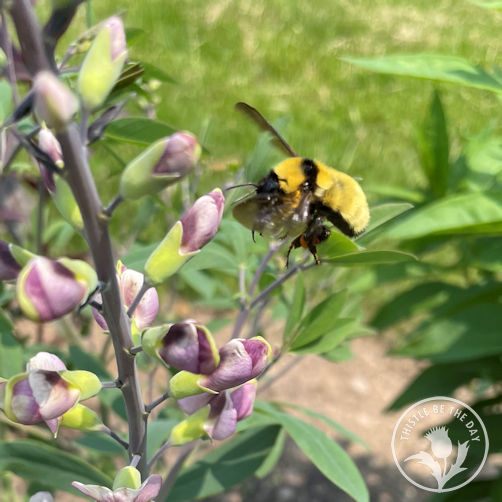
Like many bees, the golden northern bumblebee is in decline and needs protection. Habitat loss, disease, and climate change have all contributed to its decline. According to the New York Natural Heritage Program Rare Species List, golden northern bumblebees are one of NY’s “rarest and most imperiled” bumblebees. The International Union for Conservation of Nature also classifies them as vulnerable. So, I feel fortunate to have caught a glimpse of one! It shows that even small pollinator gardens make a difference for these creatures.
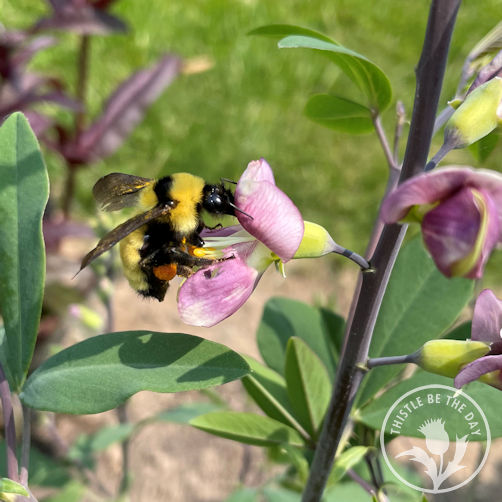
To conclude the Pollinator Week celebration, I co-organized an event through the Master Gardener Volunteer program. We are throwing a Pollinator Party! This event will include fun pollinator activities for the kids, such as scavenger hunts and crafts, pollinator tours of the Master Gardener demonstration garden, presentations, and prizes. But, most importantly, it will educate the community about pollinators’ importance and what we can do to help protect them. And, of course, include lots of information on creating pollinator habitats! Because even small pollinator gardens make a difference! And, through habitat creation, others will be treated to fantastic pollinator experiences just as I have. If you plant for pollinators, they will come! Happy Pollinator Week! Celebrate pollinators today and every day because they deserve celebrating.
Sources: Pollinator Partnership and Golden northern bumblebee
 THISTLE BE THE DAY
We have bumblebees here on our farm!
LikeLiked by 1 person
That’s awesome, Mitzy! Bumblebees are my favorite pollinators. That’s why I named our farm after them and included one on our farm logo!
LikeLiked by 1 person
Your pictures are gorgeous!
LikeLiked by 1 person
Thank you! It was very difficult to get a clear photograph with the bee foraging at a break-neck speed! But, I’m happy I got a few!
LikeLike