
Phew, this season has been challenging. I don’t mean to complain, garden friends, but it sure does feel like Mother Nature has thrown down the gauntlet. Every time I step into the field, I feel like a warrior, not sure what I’m about to face in the garden gauntlet each day. Instead of armor and chainmail, I wear garden gloves and muck boots. And instead of swords or fists beating me down, it’s pests, droughts, floods, and hungry wildlife. The daily weather is like the lottery balls that pop up; you never know what you’ll get. It’s a record heatwave one day, but the next, you have a late frost. One moment you’re in a drought, and the next, you have flooding. The weather extremes and the repercussions that they bring have been wreaking havoc on the farm. And I know I’m not alone. Farmers and gardeners across the globe have been struggling with growing in a changing climate.
The success of our crops is highly dependent on the weather. In years past, gardeners could predict, with relative certainty, when crops should be planted based on average frost dates, which were determined by historical data. However, frost dates have been less predictable in recent years. Mild winters and record heatwaves in early spring led to premature budding and blooming. Then, later-than-usual frosts killed these buds and contributed to crop loss for many farmers nationwide.
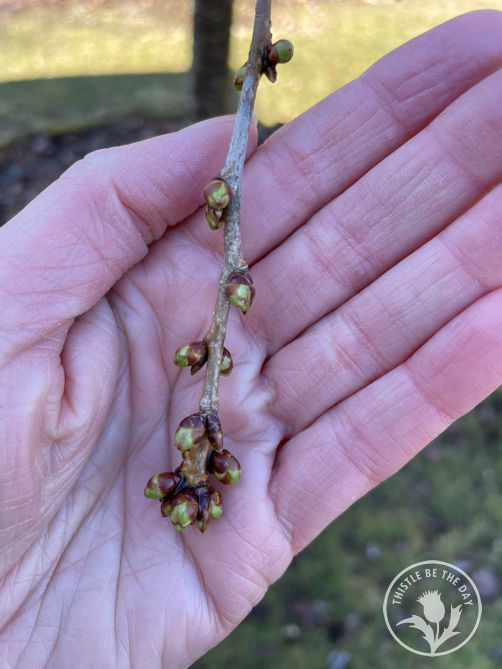
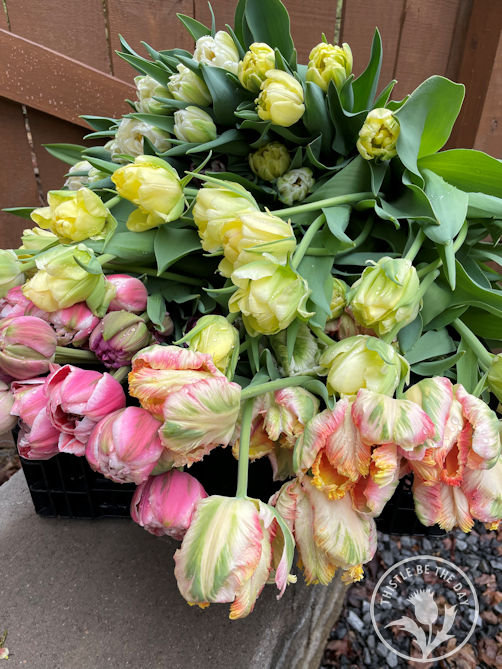
In our region, apple crops were significantly affected by a late frost in May, and mild winter temperatures followed by a deep freeze led to a loss of nearly 90% of Georgia’s 2023 peach crops. On our farm here in The Hudson Valley in New York, we experienced mild winter temperatures followed by an April heatwave that had our flowers prematurely blooming. A late frost then left us scrambling to protect our crops. Growing in these extremes makes farming even more stressful, discouraging, and exhausting.

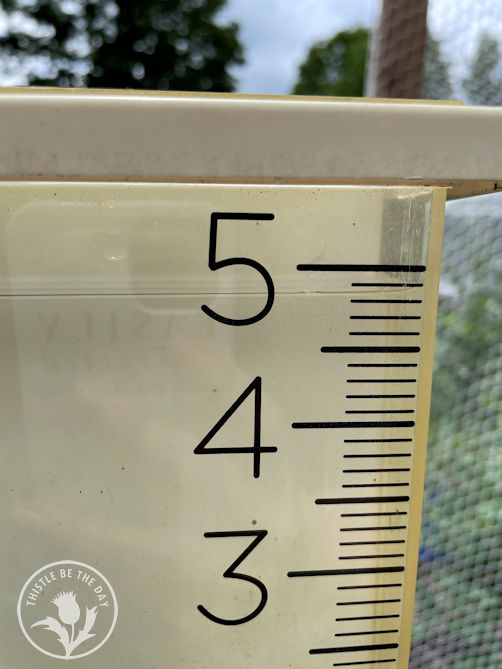
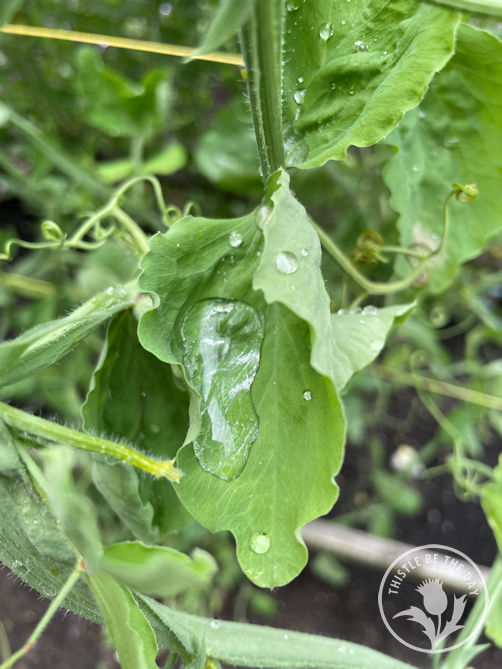
We experienced an arid spring which led to a drought in June. Weeks went by without rain. Our cool spring had already given us a slow start for our heat-loving annuals, but the drought added stress to the plants. In late June and early July, when we finally did get rain, we got a deluge of it. Several inches within a few short days led to flooding, and the strong winds that accompanied the rain caused damage to several crops. Our already stressed plants are now trying to ward off fungal diseases from the damp, humid weather—one more punch in the gardening gauntlet.
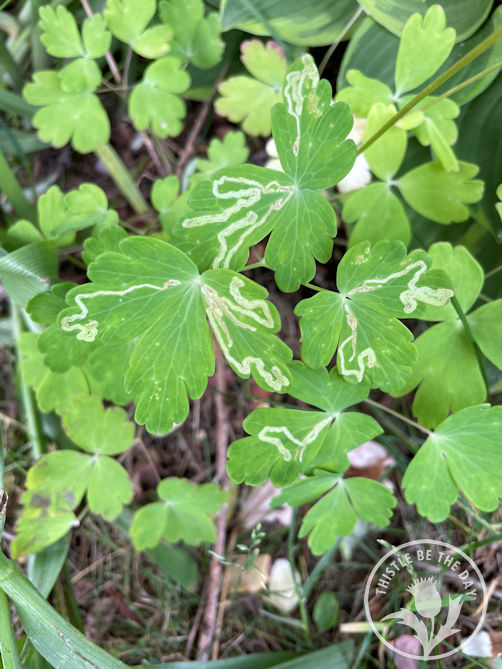
Pests and wildlife have been yet another hit to us garden warriors. Mild winters fail to keep some pests in check, and we are seeing more pests this season than ever before. An explosion of ticks, mosquitoes, aphids, slugs, leaf miners, Japanese beetles, and Asian jumping worms has kept me on my toes. Each day as I enter the battlefield that is the garden, I am anxious about the punishment that awaits me. What will be infested, chewed, or annihilated today? Which crops will be a complete loss, and which can be salvaged?
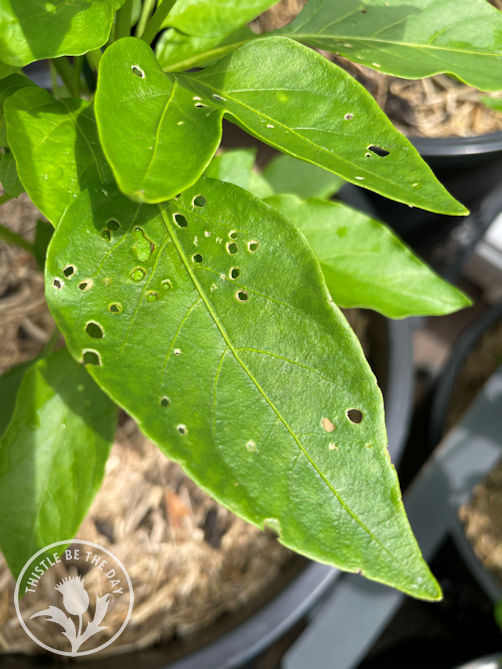
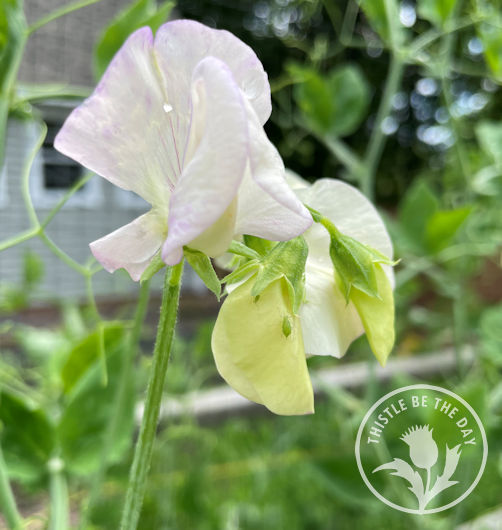
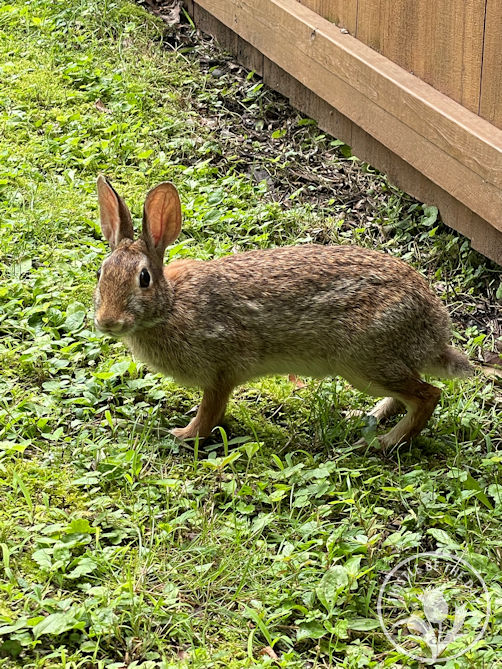
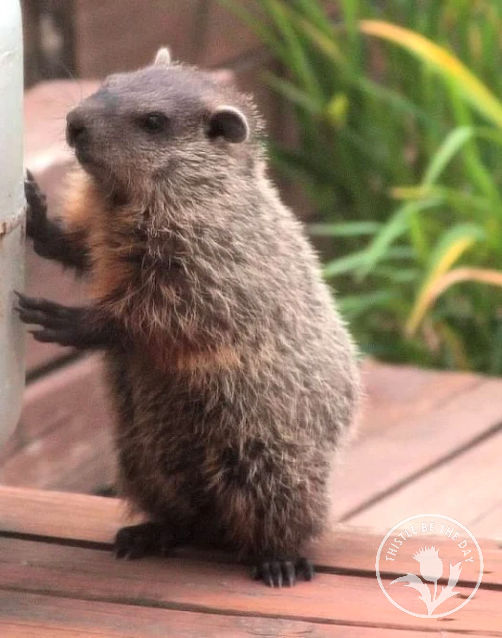
And, perhaps driven by the drought, the wildlife, including chipmunks, rabbits, groundhogs, and birds, have been ravenous. Not a day goes by that I don’t find evidence of their glutinous enjoyment of our crops. They chew through the netting, climb over fencing, break blueberry branches laden with fruit, defoliate roses, and mow down annuals. They laugh at my attempts to keep them at bay. And they have become bolder than ever, chewing happily right next to me when I harvest. It is both frustrating and disheartening to see all of my hard work literally chewed to bits.
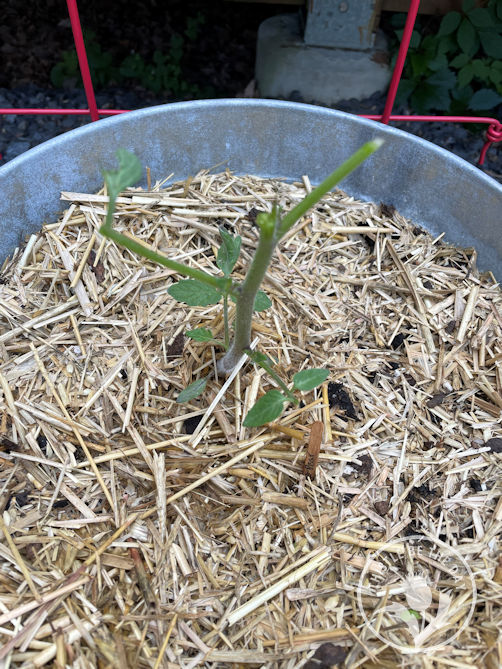
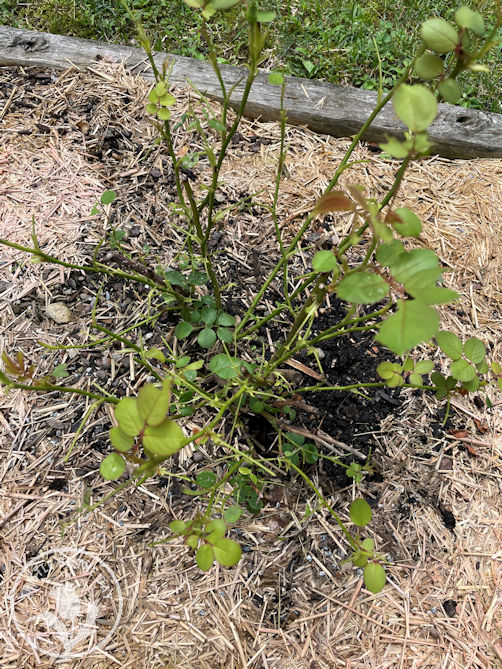
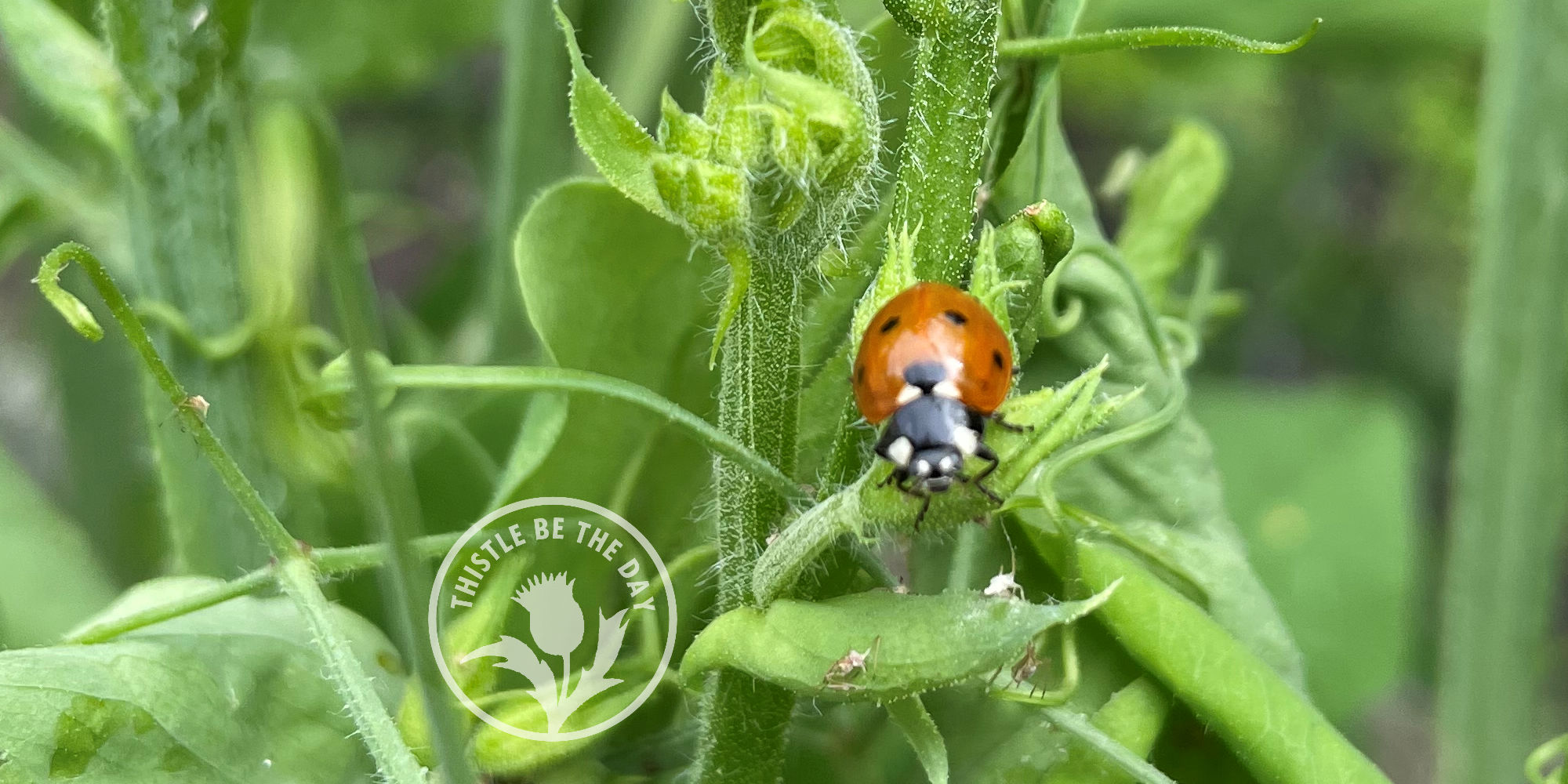
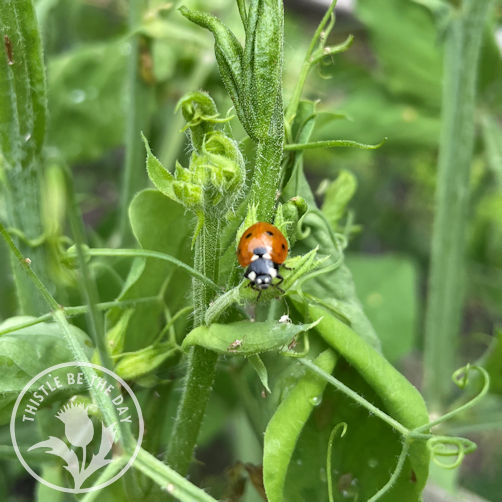
I may win a few battles here and there, but whether I can win the war remains to be seen. My allies, the ladybugs, are helping me eradicate the aphids, so with their help, perhaps I can win that one. But I’m sure there will be many others that I will lose. At this point, any small victory feels like a monumental success.
I know this post is a bit of doom and gloom. Staying positive’s been difficult this season. Even the most formidable warriors can only take so many wounds. And I’m not too proud to say that this season’s garden gauntlet has left me tired and disheartened. Climate change will affect how we grow from here on out. Hopefully, we can adapt and find ways to grow in line with these changes. Until then, I will keep suiting up and entering the gauntlet because, despite all these challenges, I absolutely love what I do. So, I’ll keep fighting, experimenting, and seeing what works and what doesn’t in this gardening gauntlet. I will hold on to each success and enjoy it to overcome disappointments. And I hope that if you are also having difficulties in the garden keeping up with everything Mother Nature is throwing at us that you can do the same. Hold on to those successes and enjoy them as we adapt to an ever-changing world. Good luck, garden warriors; stay strong.


