
Many factors must be considered when deciding if a plant will thrive in your garden. One of the criteria I look at first is whether the plant is hardy in my planting zone. A plant hardiness zone-also known as growing zone or gardening zone-helps gardeners determine which plants can survive in their region’s climate. Zones are geographic areas defined by having a specific average annual minimum temperature, which is an essential factor for the survival of many plants. It’s important to select varieties that can thrive year-round in your garden, and planting zones can help define which plants can survive winter in your area.

Hardiness zones benefit gardeners growing perennial plants since they live beyond one growing season. Knowing how cold it typically gets in your area is essential to determine whether a plant is hardy enough to survive in your garden. Perennial flowers, trees, and shrubs grow best when planted in the proper zone. Otherwise, they may have poor growth, winter damage, and reduced flowering. Knowing your average first and last frost dates is more important for annuals that only last one growing season.

Two researchers at the Arnold Arboretum in Boston were the first to attempt to create a geographical hardiness zone system. The first was published in 1927 by Alfred Rehder, and the second in 1938 by Donald Wyman. Despite updates in 1951, 1967, and 1971, the Arnold map was eventually replaced by a new map created by the U.S. Department of Agriculture (USDA) at the US National Arboretum in Washington in 1960. The USDA map is based on the average annual minimum winter temperature and uses uniform 10-degree Fahrenheit ranges. In 1990, it was revised to divide each zone into new “a” and “b” subdivisions with 5-degree ranges. So, for example, if a plant is labeled as ‘hardy to zone 10’, it can withstand a minimum temperature of 30 to 40 degrees Fahrenheit.
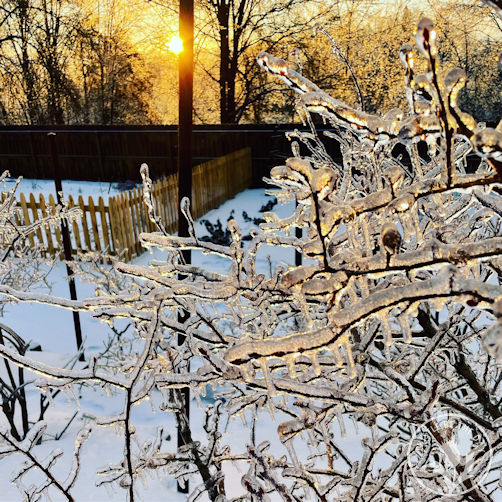
The USDA Plant Hardiness Zone Map has been updated several times to reflect up-to-date temperature data. In 2012, two new zones were added, bringing the total to thirteen U.S. hardiness zones. Most warmer zones (9, 10, 11, 12, and 13) are located in the southern half of the country, Hawaii, and Puerto Rico. In contrast, the colder zones (1, 2, 3, 4 and 5) are located in the far northern and central interior parts of the country as well as Alaska. In between lay most of the middle zones (6, 7 and 8). In November, the USDA released its updated 2023 Plant Hardiness Zone Map, which hadn’t been updated since 2012. The new map is based on 1991-2020 weather data across the United States, and according to the USDA, the new 2023 map includes data from 13,412 weather stations (the previous map used 7,983). Unsurprisingly, the new map shows a northward movement of hardiness zones due to the warming climate trend. Half of the country moved to a warmer zone, while the other half stayed in the same zone. We moved from zone 5b to zone 6a on our farm.
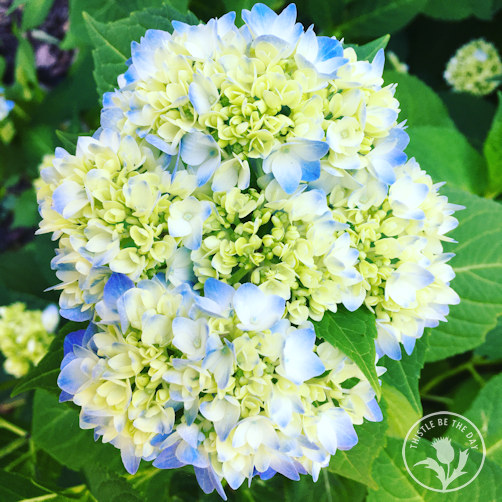
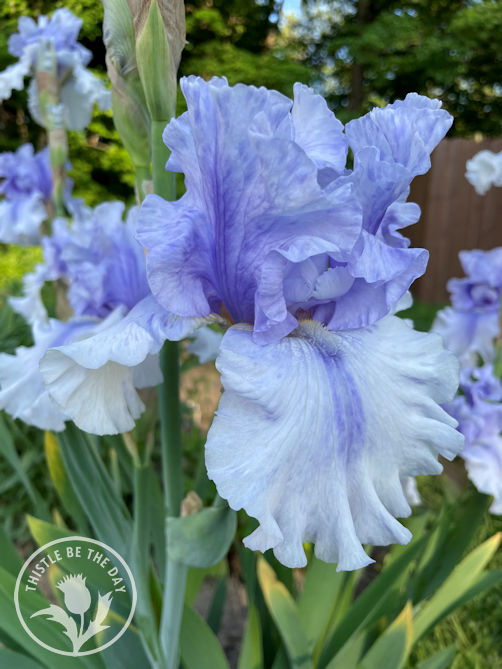
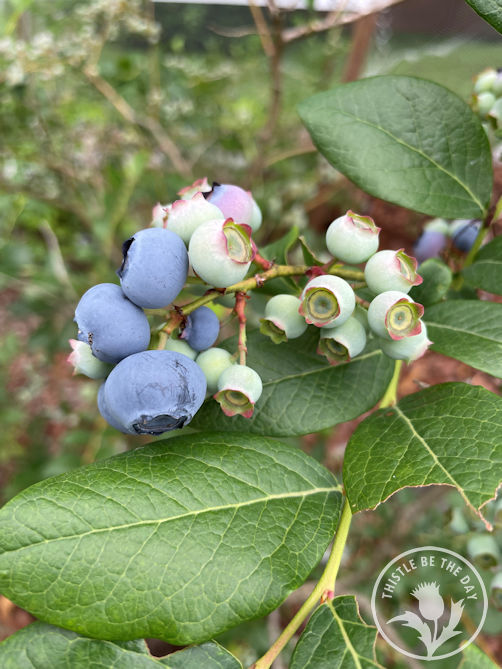
So what does this mean for our gardens? Well, it is concerning to see that temperatures have increased over much of the United States. And growers have had a front-row seat to the effects of climate change for years. Record heat waves, droughts, and floods are just some of the climate change consequences growers have had to deal with. So, honestly, it’s not surprising that the map has changed. But, these hardiness zone updates could change what we grow. If your zone has changed, indicating your temperatures have increased, you may be able to grow plants you couldn’t grow before because your zone was too cold. This could open up a whole new list of plants you can bring into your garden. On the flip side, eventually, if these temperature changes continue, there may be beloved plants that require an extended cold period to thrive that we can no longer grow in our zone. Either way, it is evident that our climate is changing and that, as growers, we will need to adapt to these changes.
However, before you run out and buy all those tropical plants for your garden, it’s important to note that zone maps are not absolute. Many factors determine whether a plant can survive in a given zone. Hardiness zones are a tool rather than a rule. For example, your garden location may be in a microclimate with differing temperatures from the surrounding zone. Also, soil, humidity, wind, heat, and moisture are just a few of the other conditions that affect the survival of plants. Frost dates, duration of cold or hot temperatures, the frequency and duration of snow cover, sun intensity, and day length are all factors that are not accounted for within the hardiness zones. So, while the annual minimum temperature for your zone is valuable information, it is only one factor among many for plant survival and growth.
Much of gardening is experimentation and learning as we grow. Gardeners have many tools and a wealth of information to guide us. But, ultimately, good ol’ trial and error sometimes work, too. So, don’t be afraid to experiment in your garden and have fun learning along the way. Happy growing!
Sources: Hardiness Zones, Plant Hardiness
 THISTLE BE THE DAY
Well done!
LikeLiked by 1 person
Thank you, Carolee!
LikeLike